Where to climb indoors
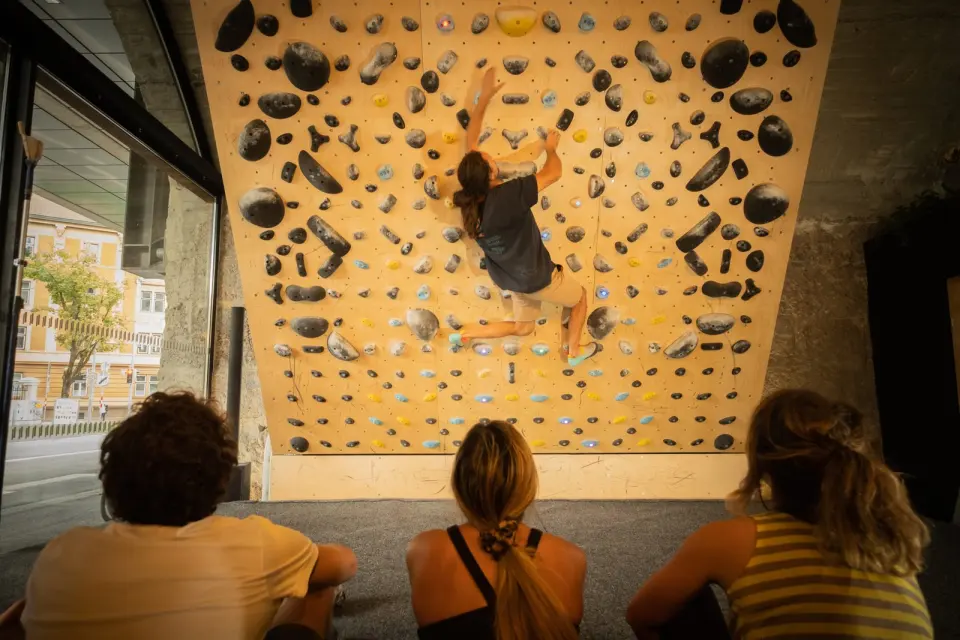
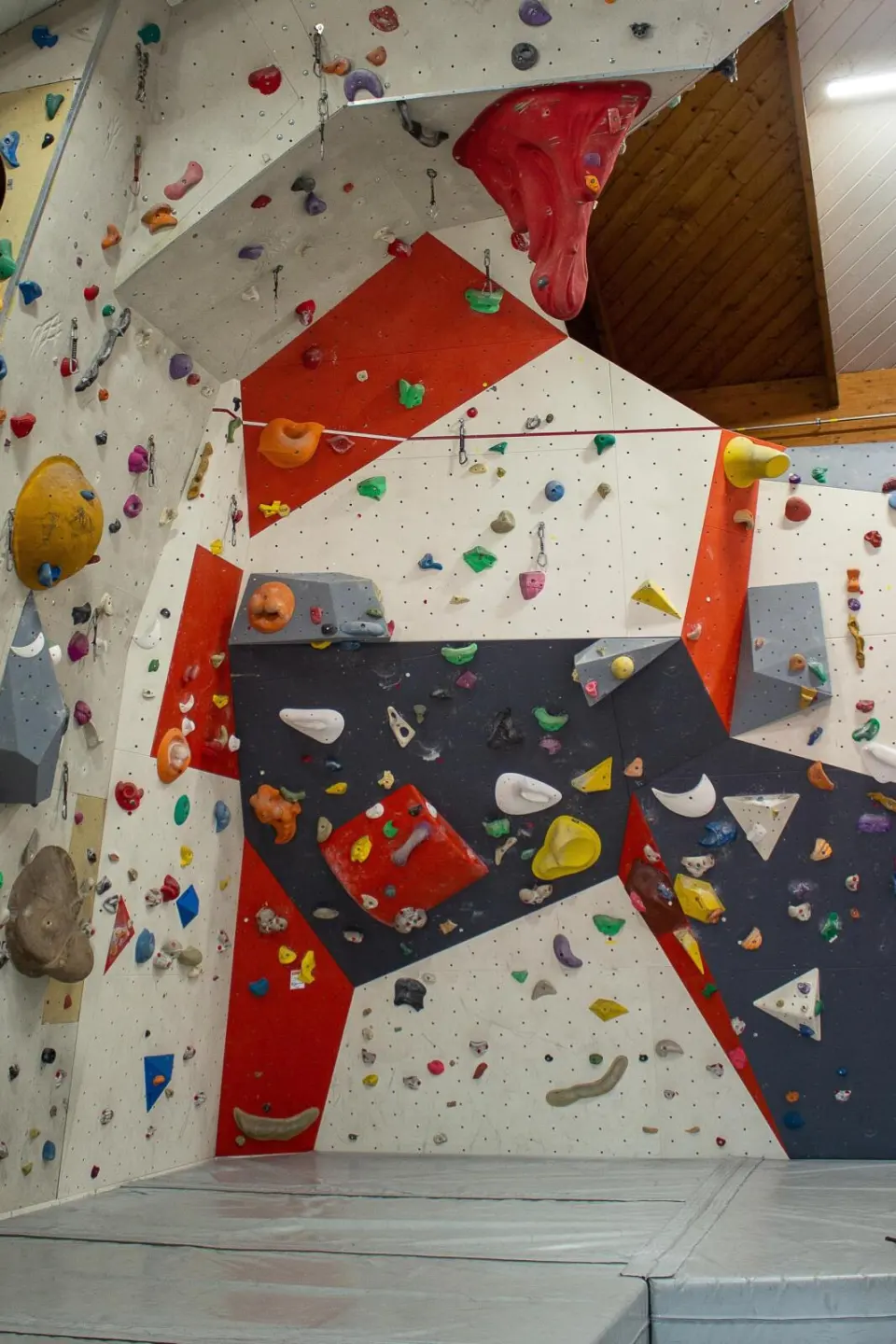
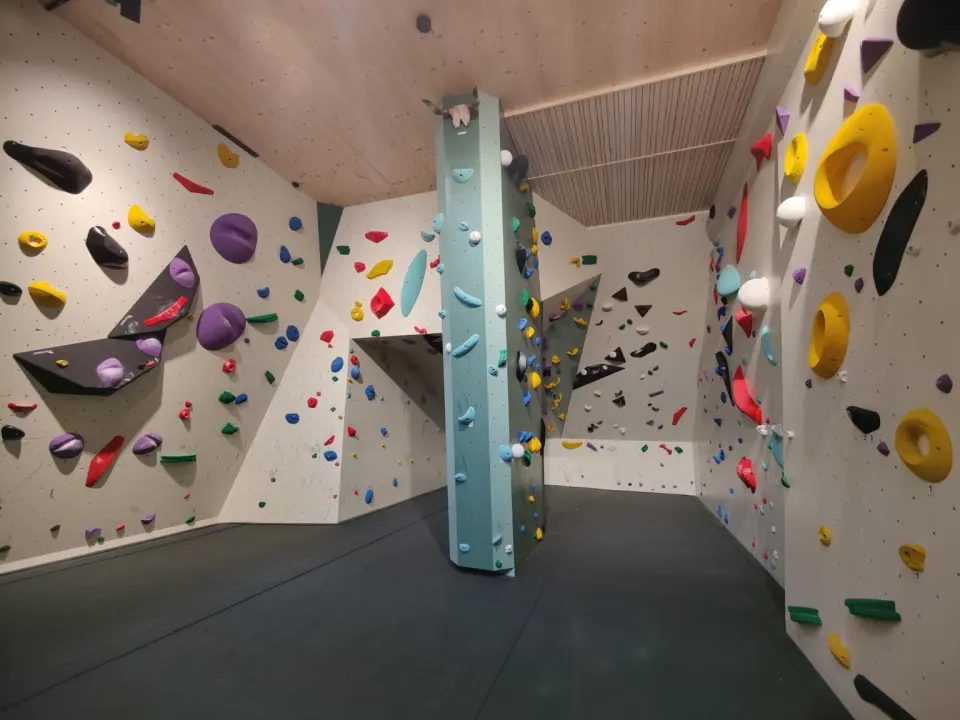
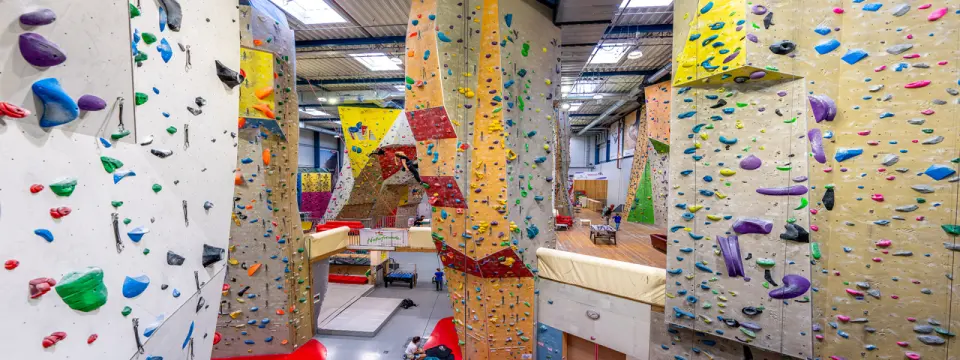
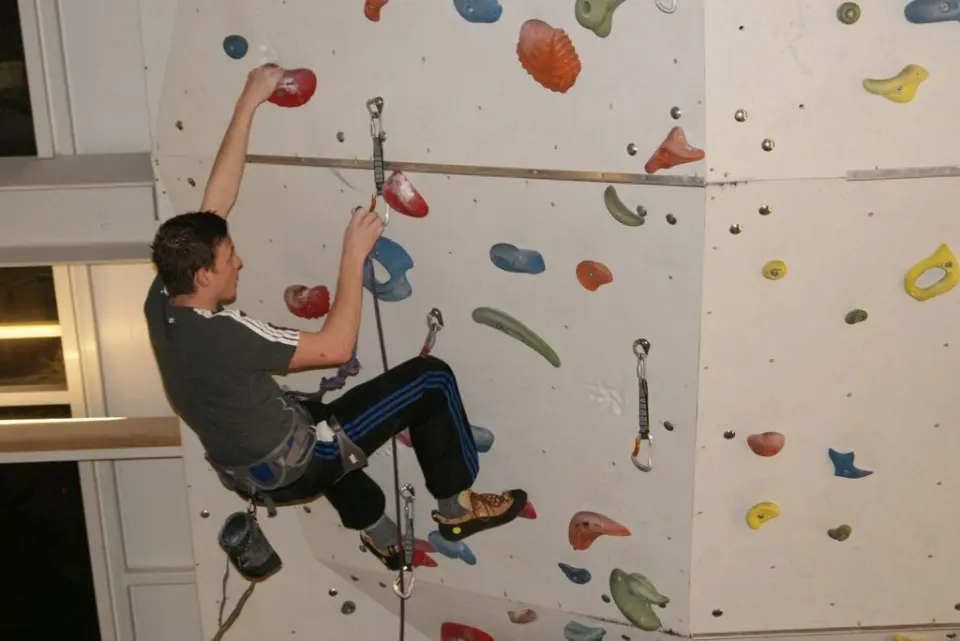
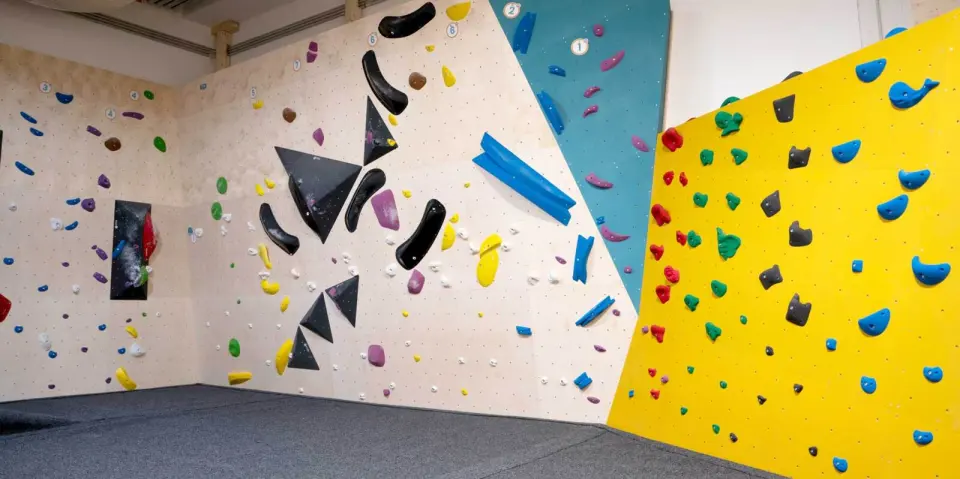
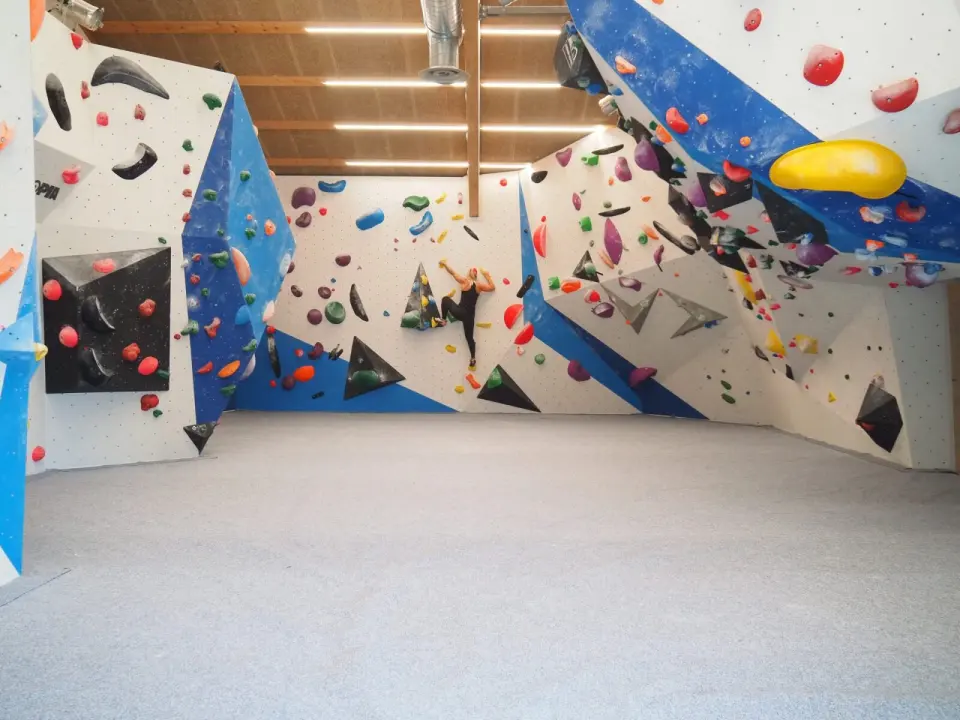
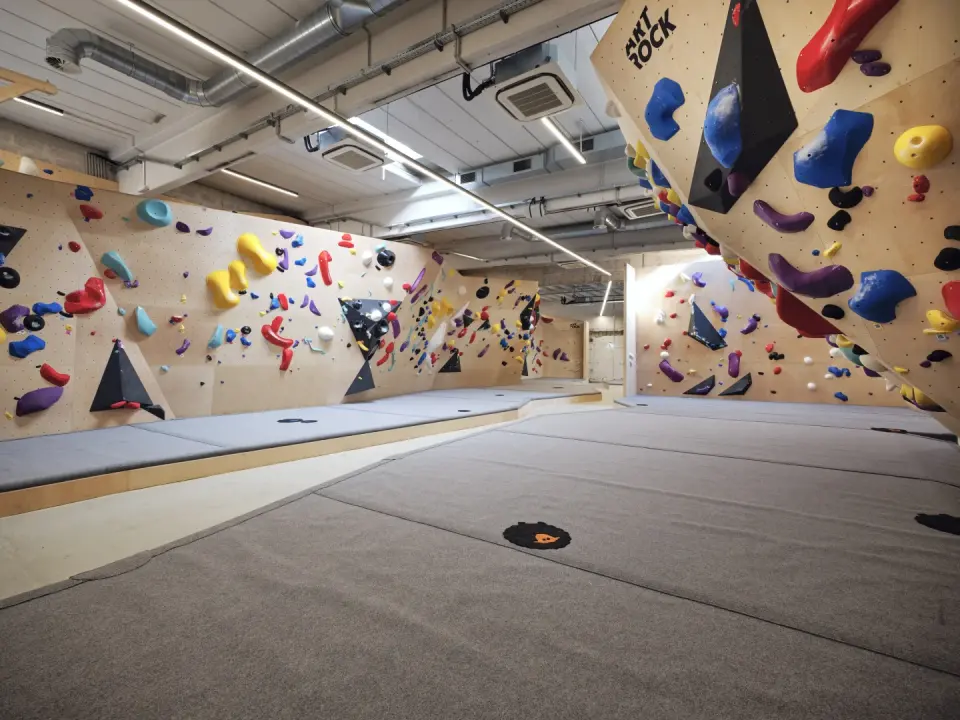
Vienna has more walls than anywhere else in Austria. Boulderbar has four bouldering halls there, and independents such as Blockfabrik, Boulder Monkeys and Das Flash have opened alongside them, while Kletterhalle Wien and Climb On Marswiese are the big roped halls. From April to October you can climb a 30-metre wall on a wartime flak tower in central Vienna, the Kletteranlage Flakturm.
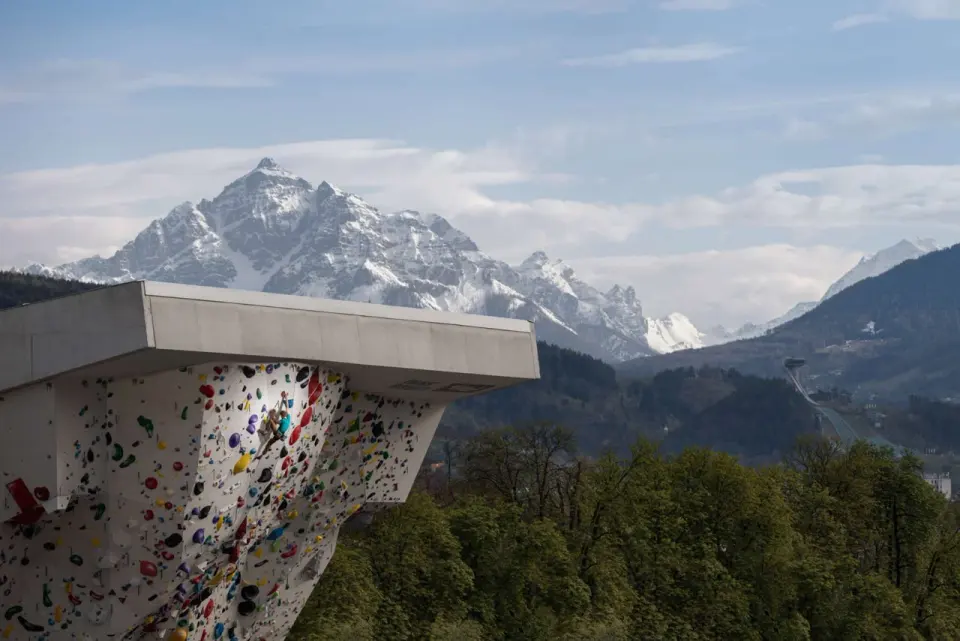
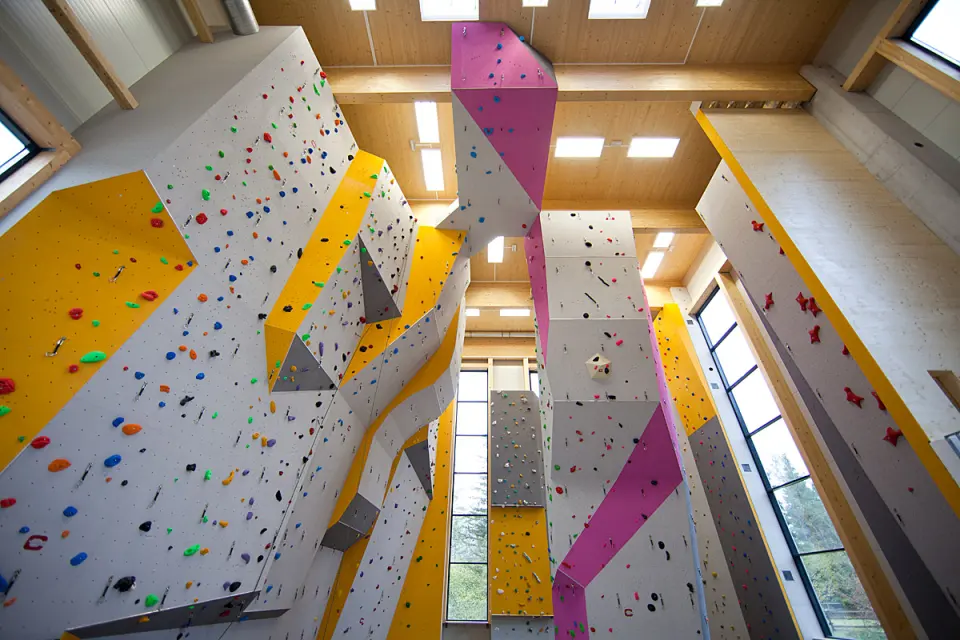
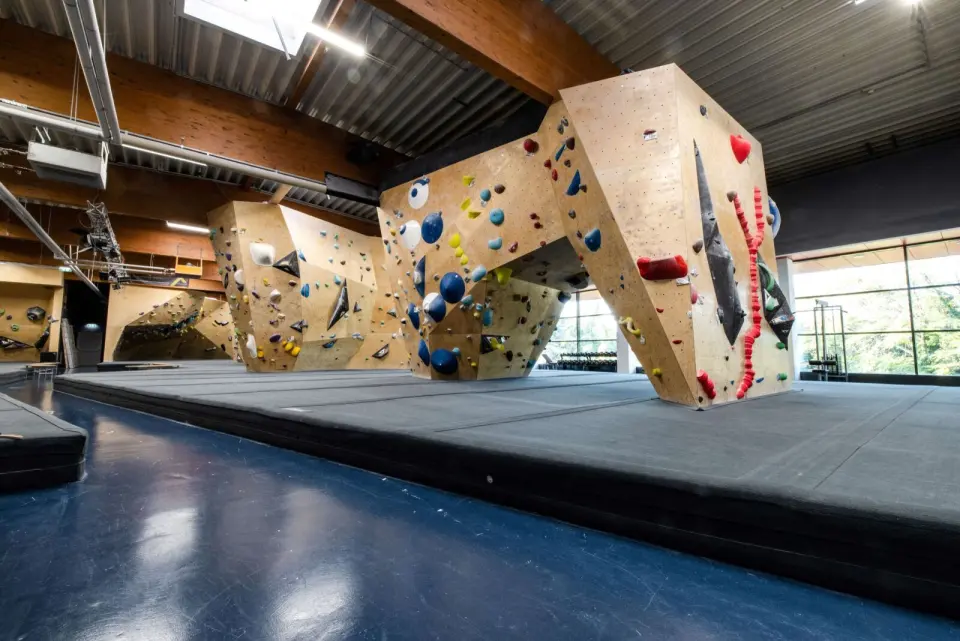
In Innsbruck, KI Kletterzentrum Innsbruck houses the national team's performance centre and has about 550 routes indoors and out. Graz is a bouldering city, with Newton, BLOC house and Boulderclub. Linz has two big club-run rope halls and two large bouldering halls, and Salzburg's Kletterhalle has 17-metre walls and an outdoor tower. In Vorarlberg, K1 in Dornbirn is the roped hall and Steinblock, Greifbar, Block Monkey and Klimmerei cover the bouldering, while in Carinthia Klagenfurt's Boulderama and Villach's Kletterhalle are the biggest halls.
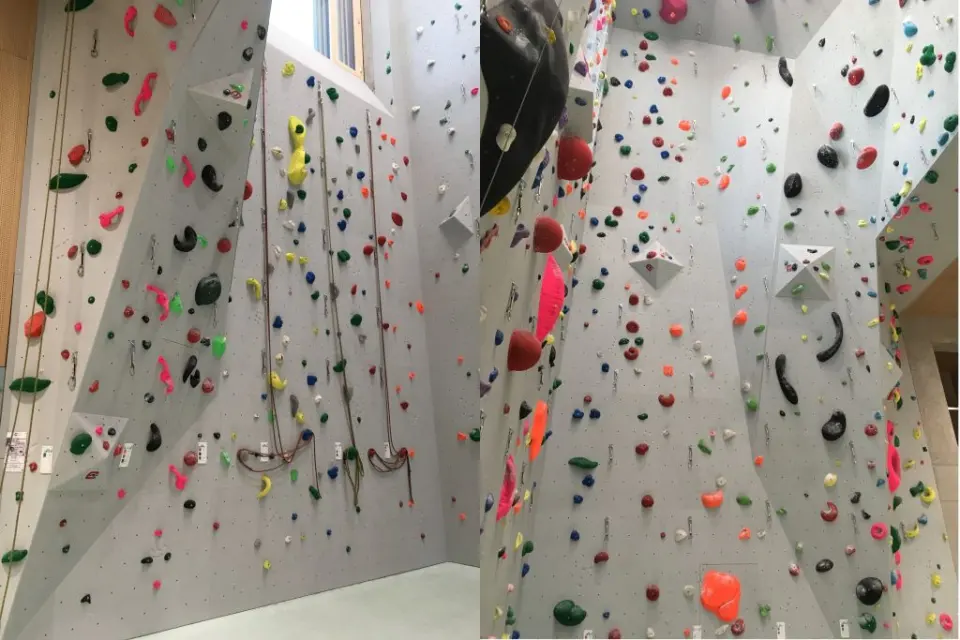
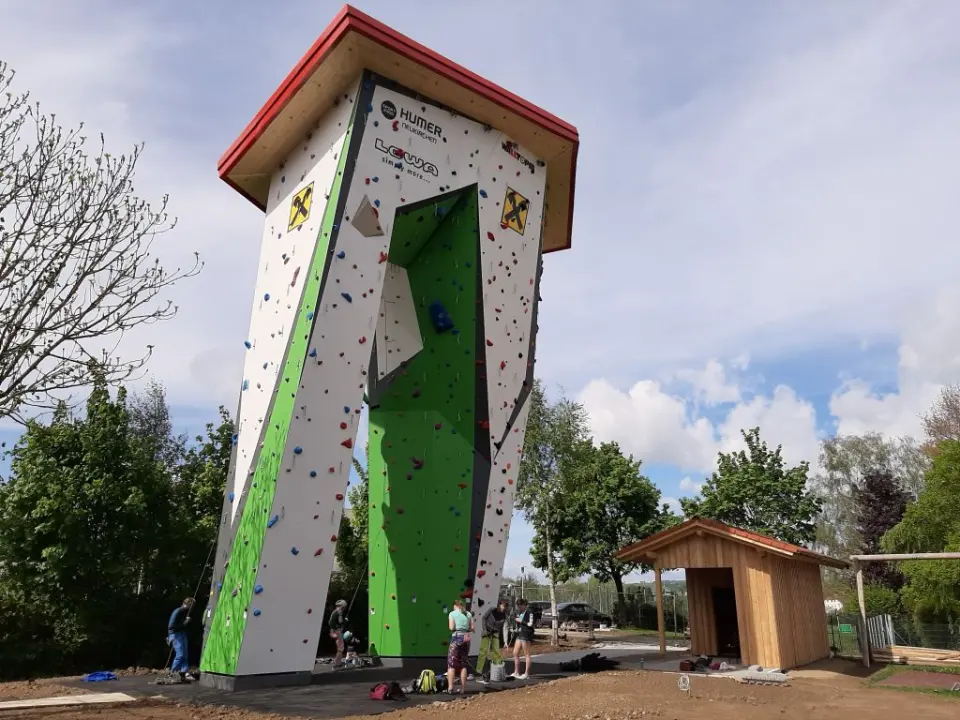
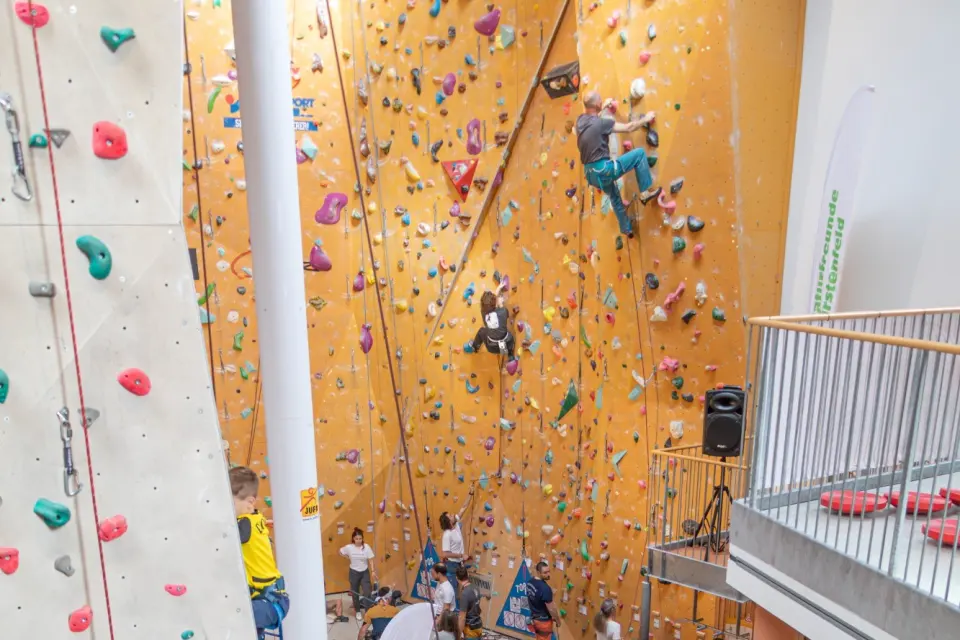
Outside the cities, many towns have a hall of their own. Some are large: Kletterzentrum Imst has 22-metre walls and a huge covered outdoor area, Kletterakademie Mitterdorf in Styria has 19-metre walls and a speed wall, Kraftreich Aufenfeld in the Zillertal has 16-metre walls with 13 auto-belays, and felsenfest in Saalfelden has lead walls inside and out. Others are small club halls, often unstaffed, where you buy a ticket online, collect a chip or pay into an honesty box. Our guides to Imst and the Tyrolean Oberland, Zell am See and the Pinzgau, the Salzkammergut, St. Pölten and Kapfenberg, Bruck and Leoben cover these regions' halls and club walls.
Who runs Austria's halls
Many halls belong to sections of the Austrian Alpine Club (Alpenverein), the Naturfreunde or smaller clubs such as the Österreichischer Touristenklub, and their members usually pay less. A handful are for members only, and the Alpenverein Edelweiss's Vienna bouldering halls ask non-members to join an alpine club after a first visit. Alongside them are commercial halls and chains: Boulderbar, with halls in Vienna, St. Pölten, Linz and Salzburg, Newton in Graz and Kapfenberg, Steinblock in Vorarlberg and Tyrol, and Der Steinbock and Greifbar, whose other halls are in Germany. In July 2026 the national climbing federation took over Graz's rope hall, which it is rebuilding as a youth training centre.
Prices
In October 2026 most adult day tickets cost between €12 and €16, and €14.50 was typical. Small club halls charge much less, from €5 at Kletterhalle Marchtrenk to €7 at Kletterhalle Kuchl, while the dearest, such as Kletterakademie Mitterdorf and Kletterhalle Villach, charged €18.50 to €20. Members of alpine clubs pay less at club-run halls, students and children pay less almost everywhere, and monthly subscriptions mostly cost €45 to €90.
Belaying and the Kletterschein
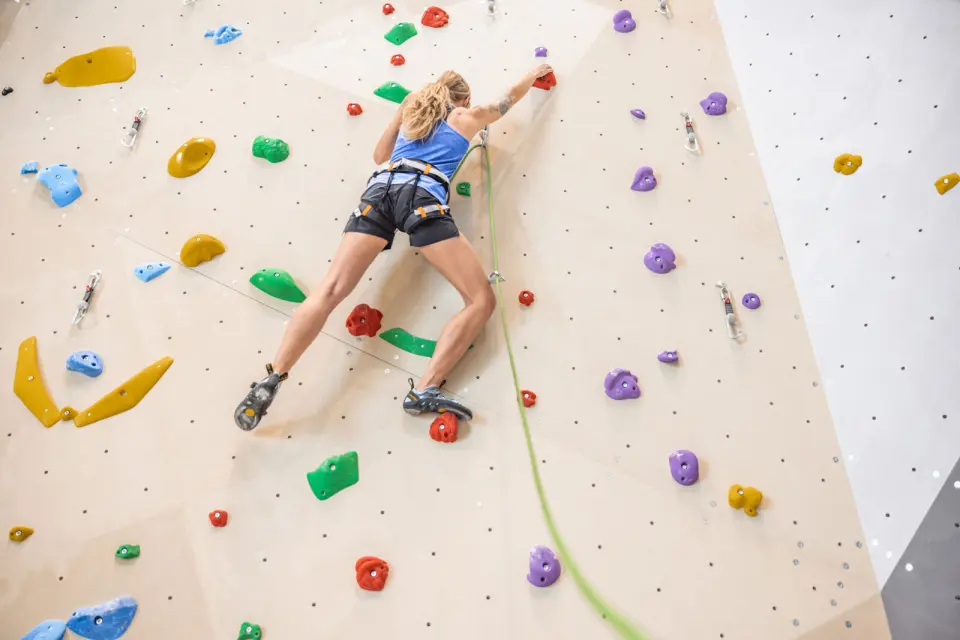
The Alpenverein's Kletterschein is a card that shows you've passed a climbing course, but almost no hall asks to see one. Instead, you register on your first visit and confirm that you can belay safely, and staff may check. Kraftreich Aufenfeld is an exception, asking top-rope climbers for a top-rope certificate, and some halls only let visitors lead if they're experienced or on a course. Read our guide to what Austrian halls ask of roped climbers.
Competitions
The Kletterverband Österreich (Austria Climbing) runs national championships and the Austria Cup, and its team includes Olympic medallists Jakob Schubert and Jessica Pilz. KI Kletterzentrum Innsbruck hosts rounds of the World Climbing Series: the June 2026 round drew about 17,000 spectators, and the next is from 9 to 13 June 2027. The 2026 national titles were decided in Graz (bouldering), St. Pölten (speed) and Innsbruck (lead): see the results and the season ahead.
Climbing outdoors
Austria's rock ranges from the gneiss boulders of the Zillertal and the Maltatal to the limestone crags of the Wilder Kaiser, the Gesäuse and the hills south of Vienna, where the Hohe Wand is often sunny above the winter fog. The country is also where via ferratas began: the first in the Alps was built on the Hoher Dachstein in the 1840s. See our guide to outdoor climbing in Austria.