Where to climb indoors
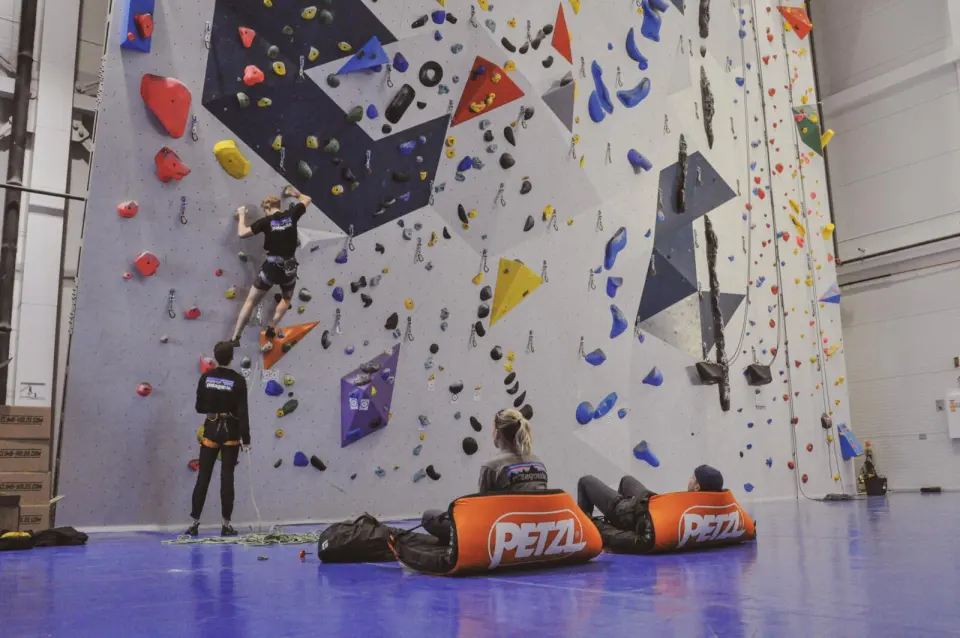
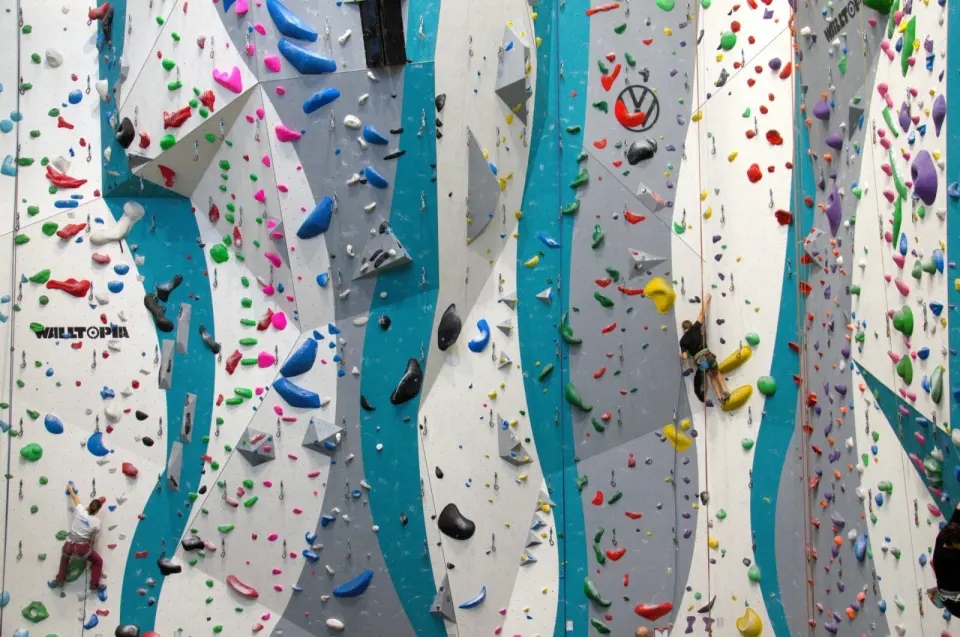
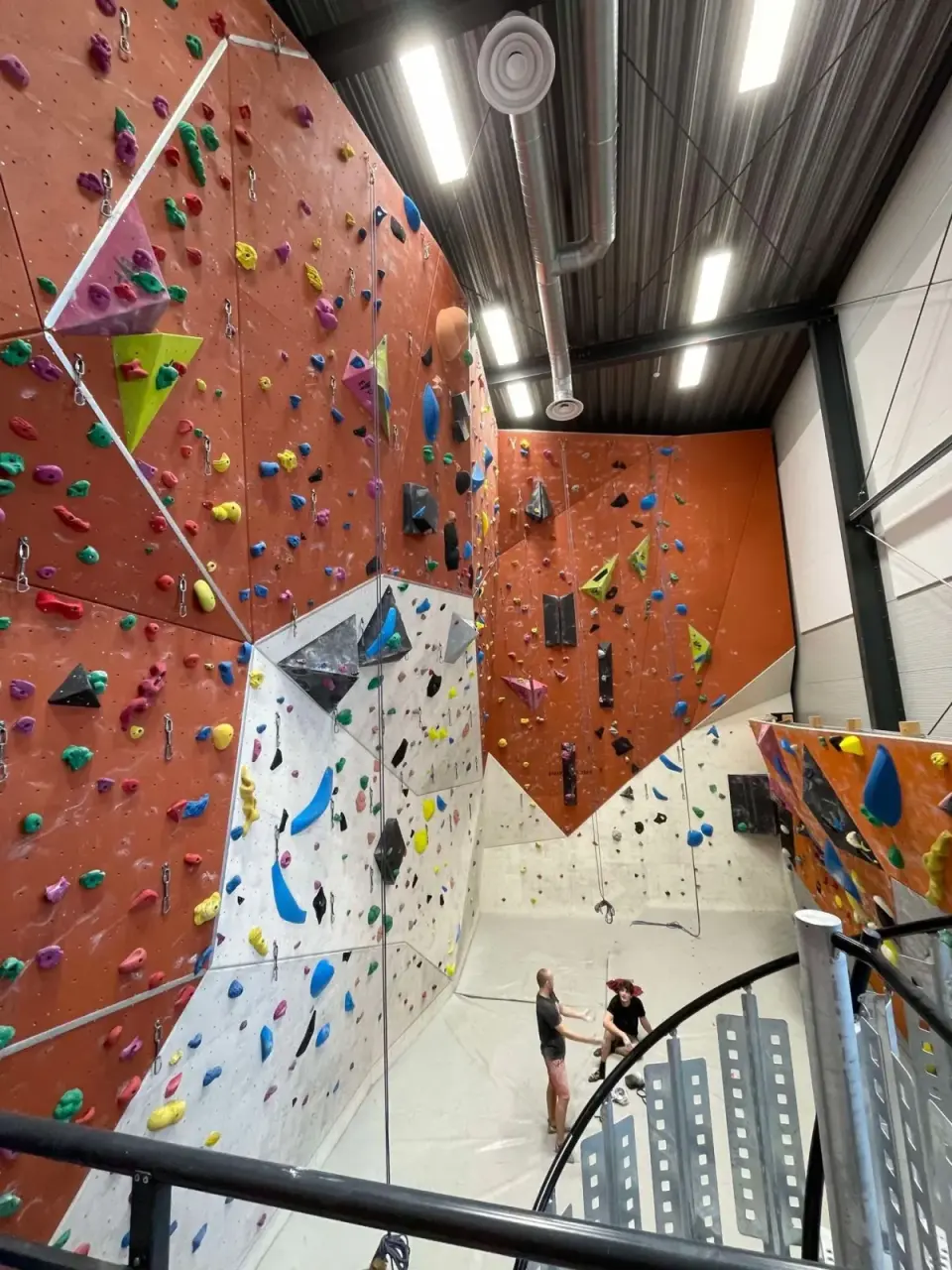
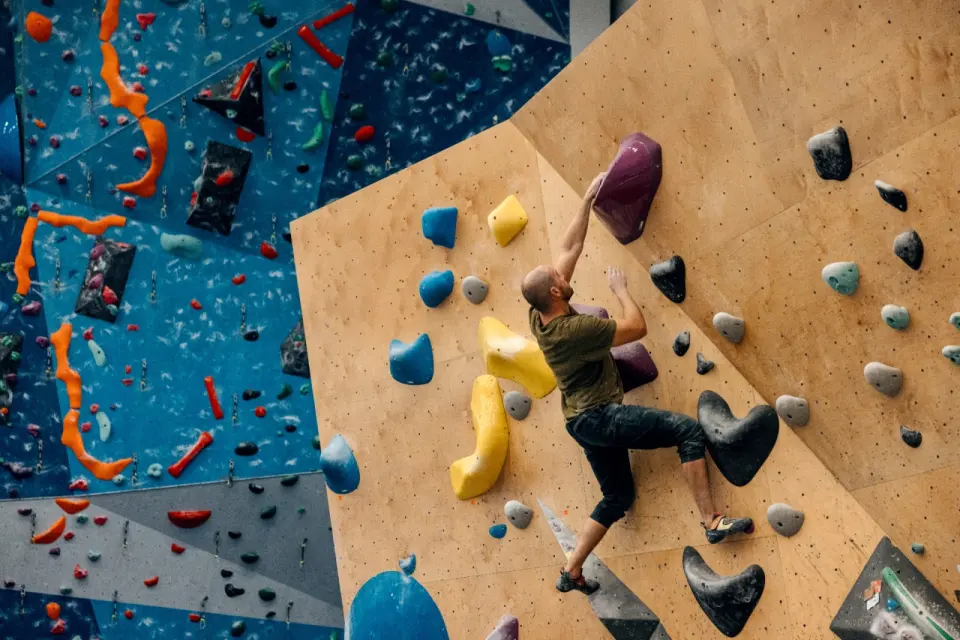
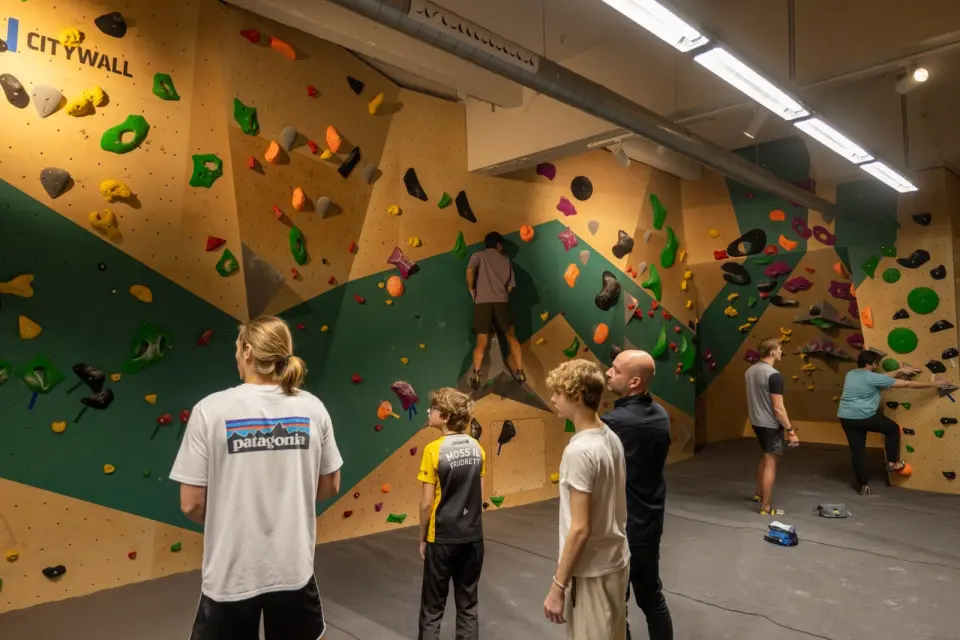
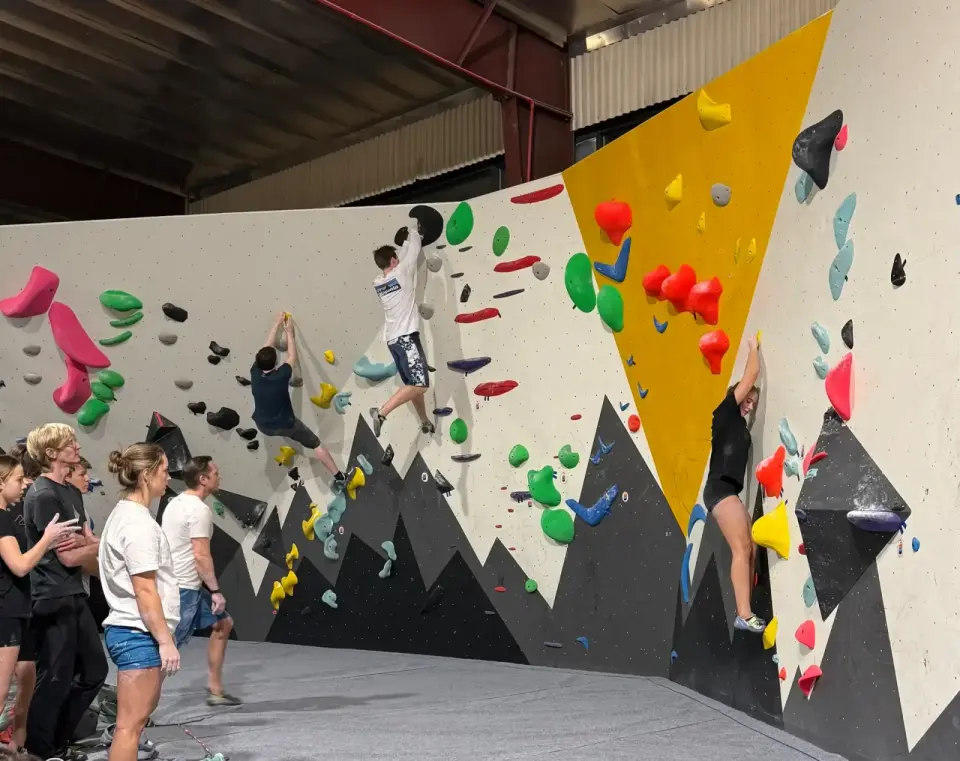
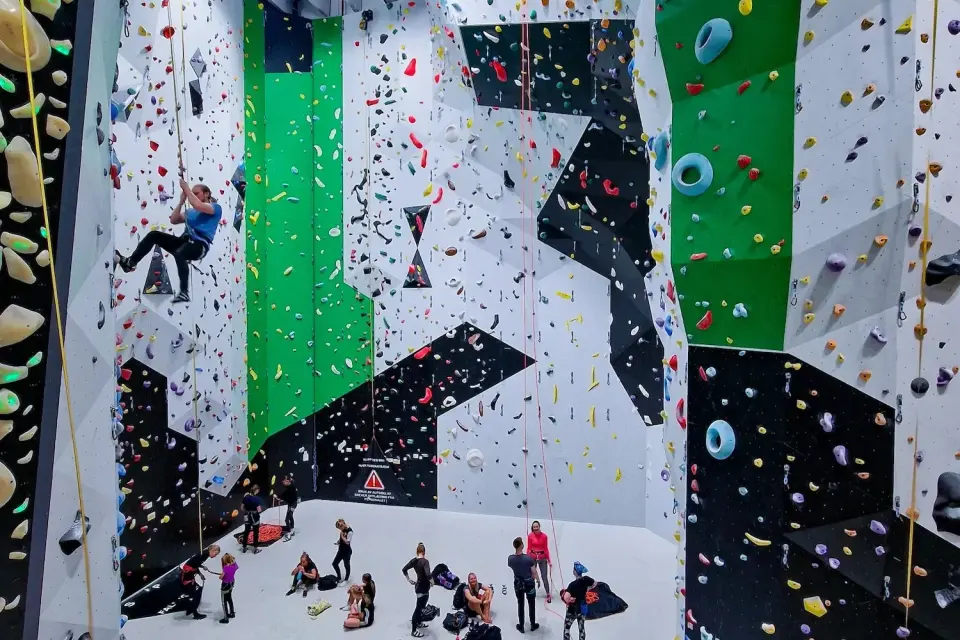
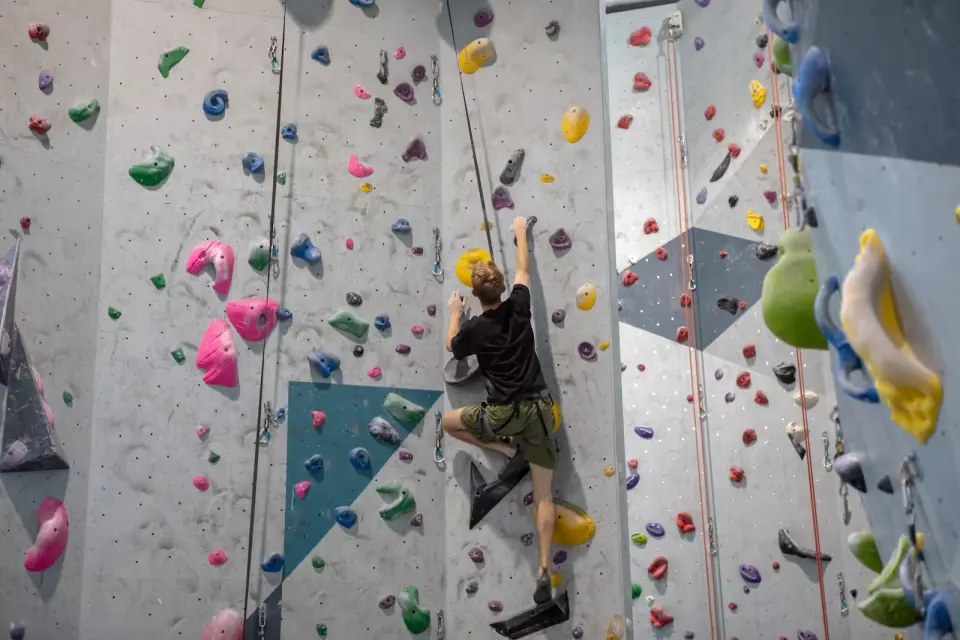
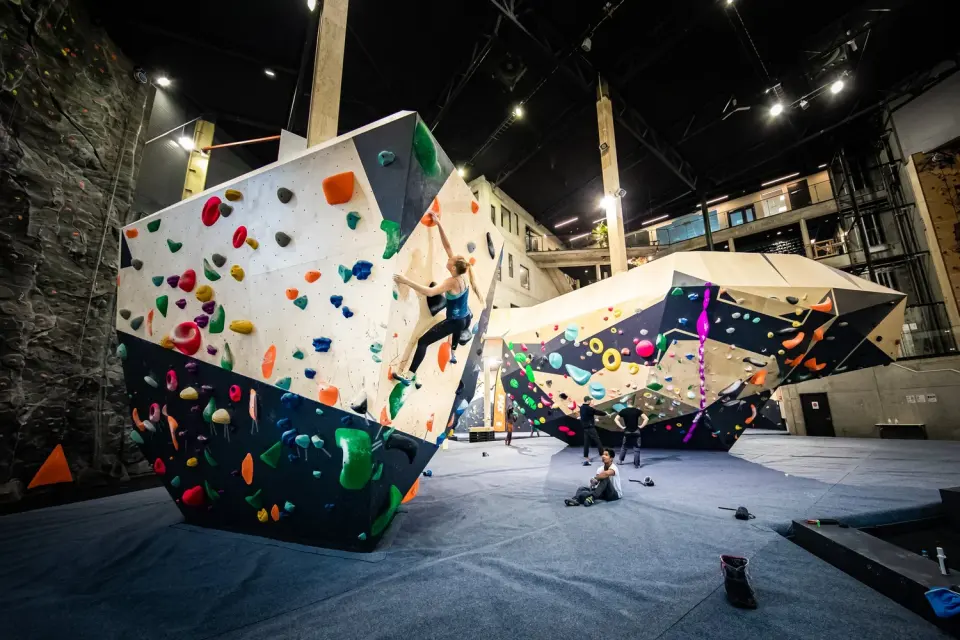
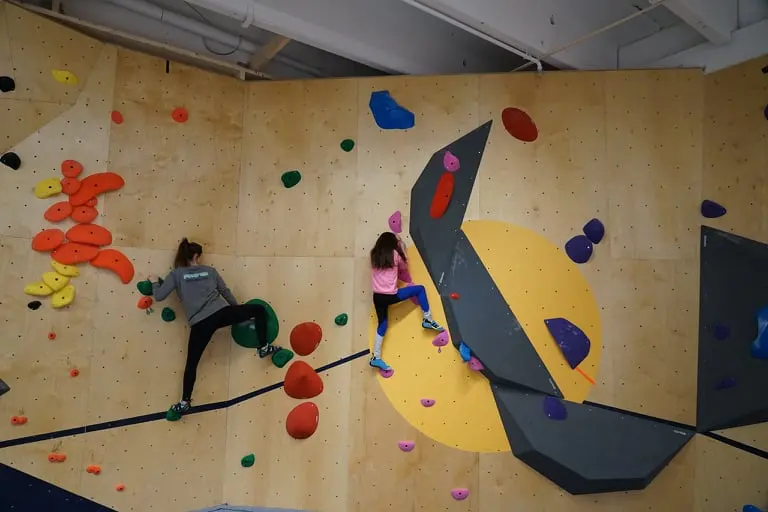
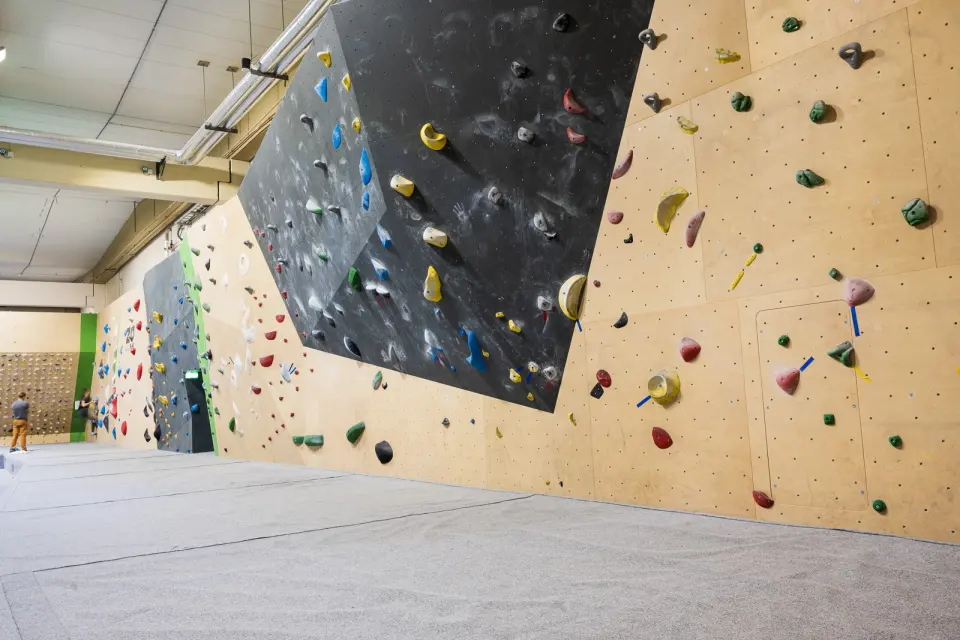
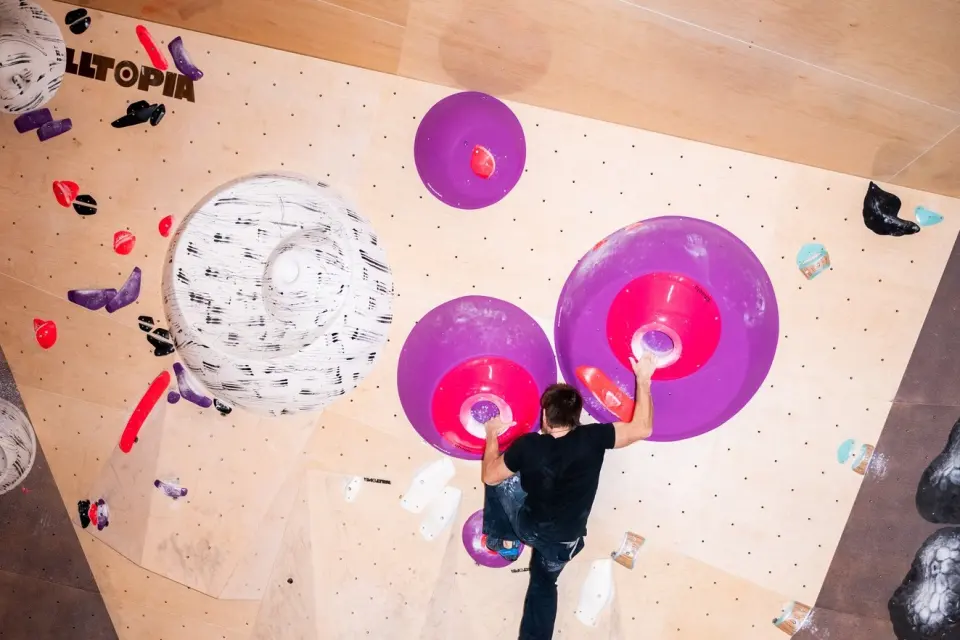
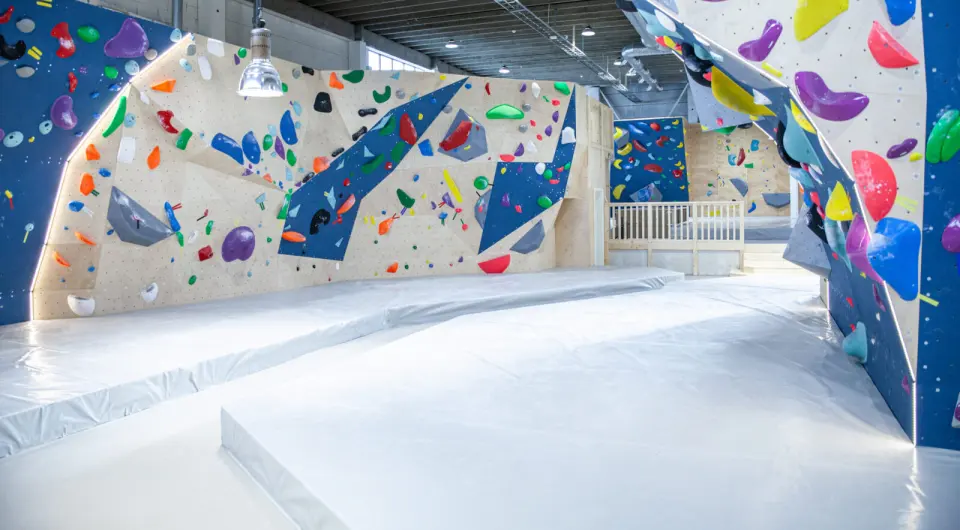
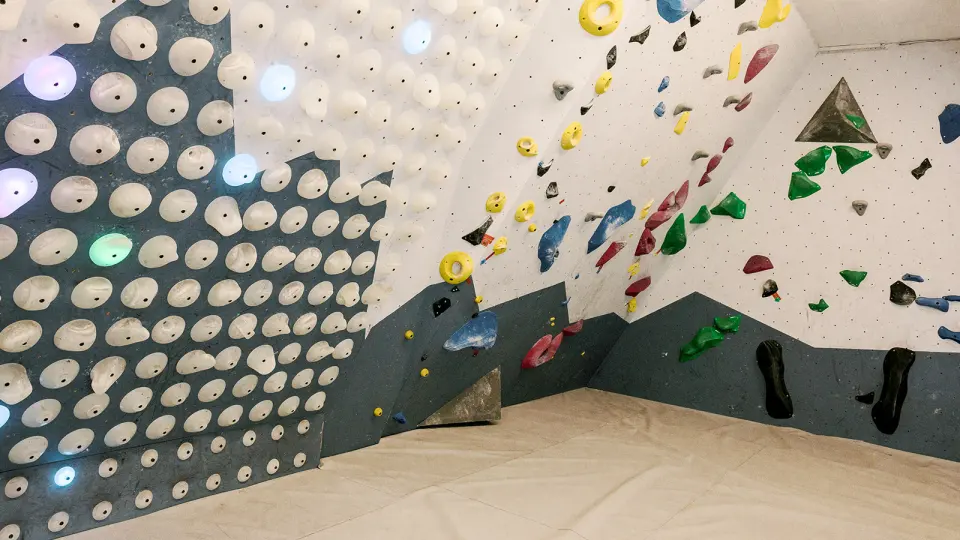
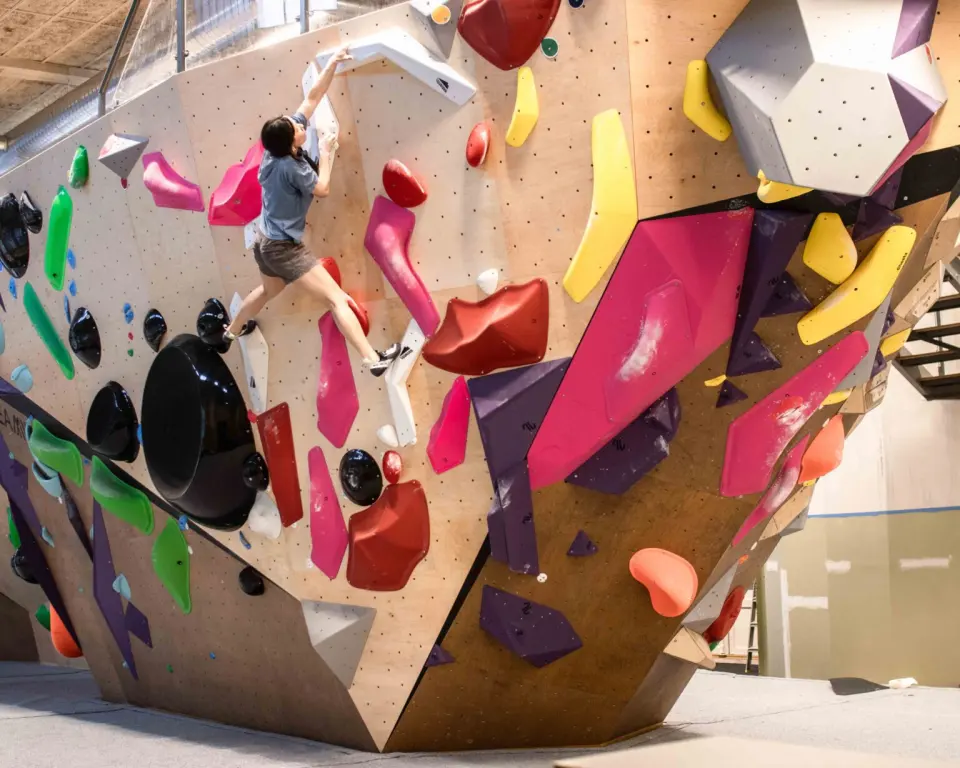
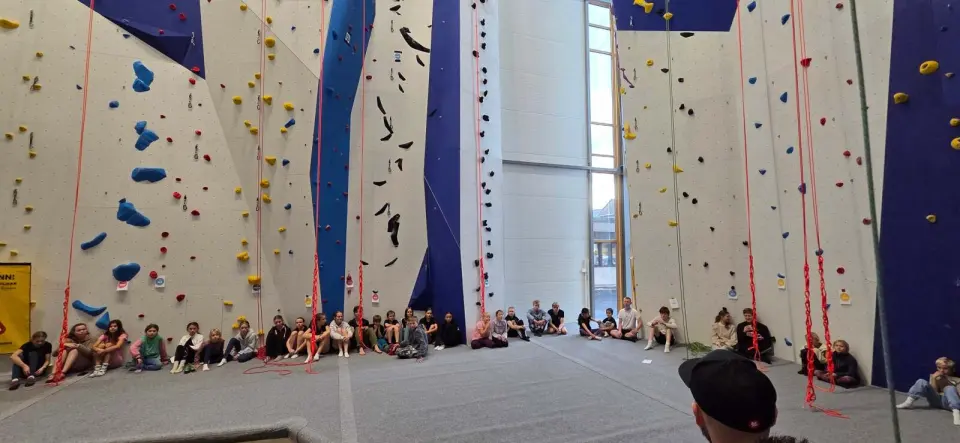
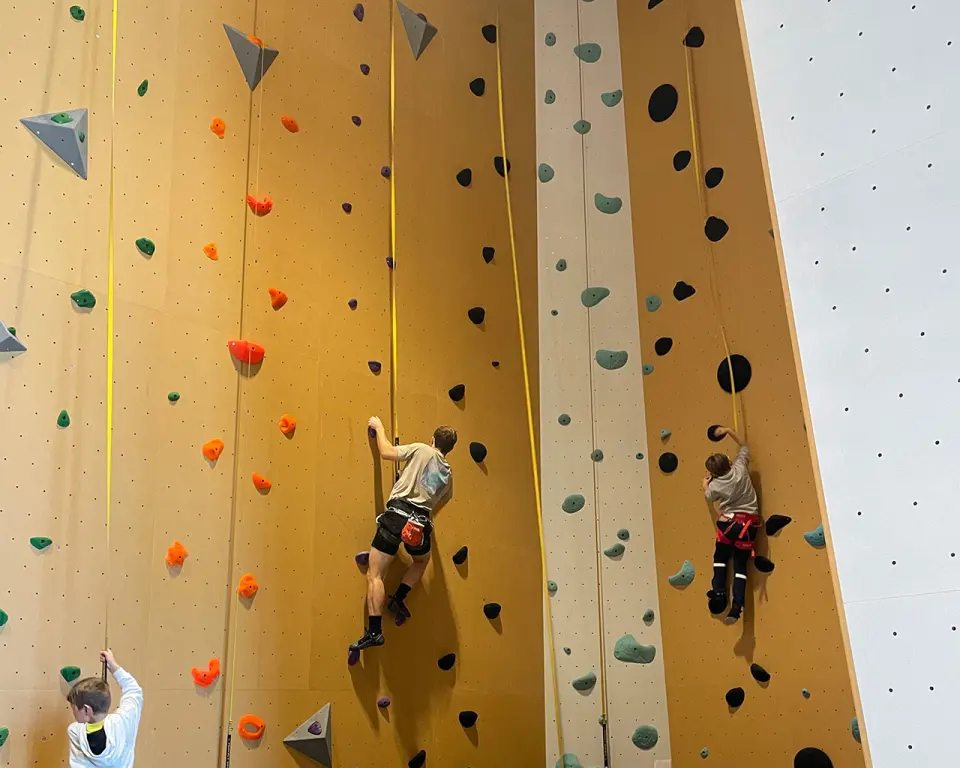
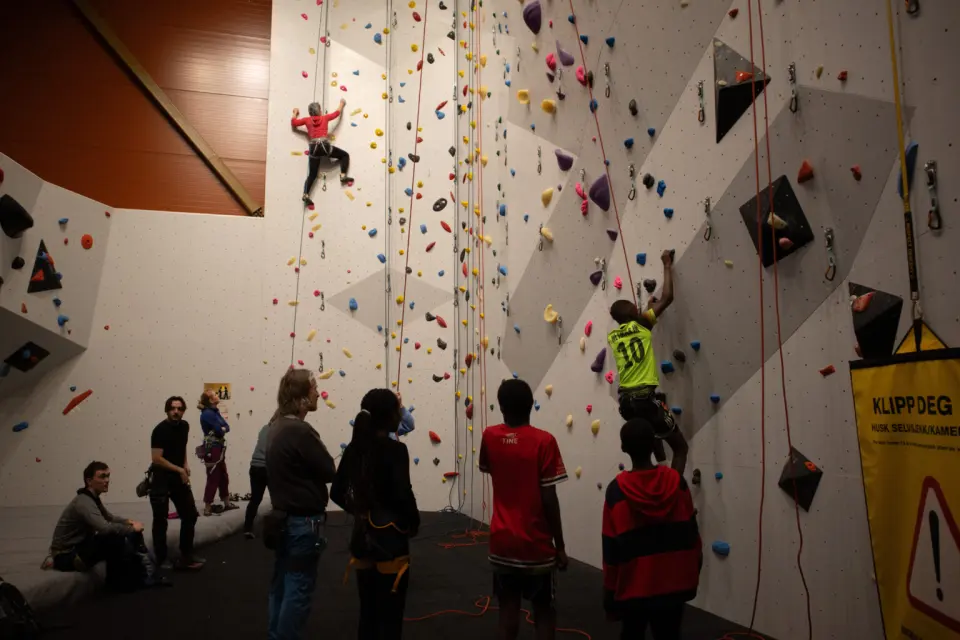
Eastern Norway: Oslo has Klatreverket's four centres, the 17.5 m walls of Oslo Klatresenter, the club-run Vulkan and the new Brak Buldring, with Gneis Lilleaker and Holmen just outside the city. Klatreverket also has two centres in Drammen, and Østfold has club centres in Fredrikstad and Sarpsborg and two walls in Moss. Høyt Under Taket runs family-friendly centres, most with dozens of auto-belays, in Tønsberg, Skien, Moss and Eidsvoll, and inland there are centres in Hamar and in Lillehammer, where Tyrili Klatring is owned by the foundation that built Norway's first commercial climbing centre.
Southern Norway: Kristiansand has Klatreverket Kristiansand, with walls up to 17 m, and Sørlandet Klatresenter, with 29 auto-belays.
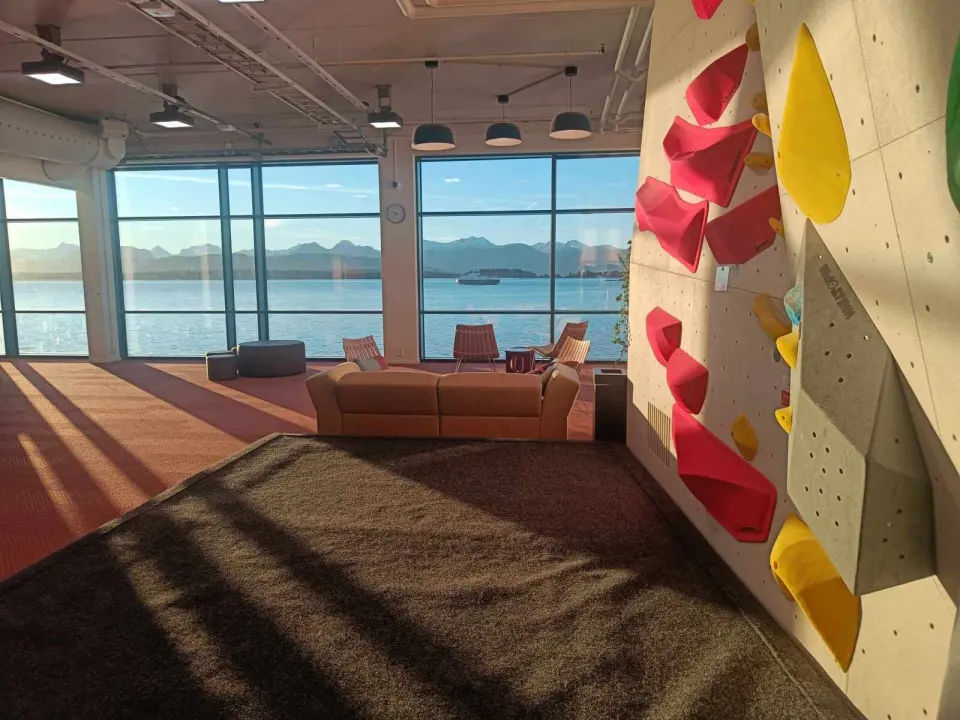
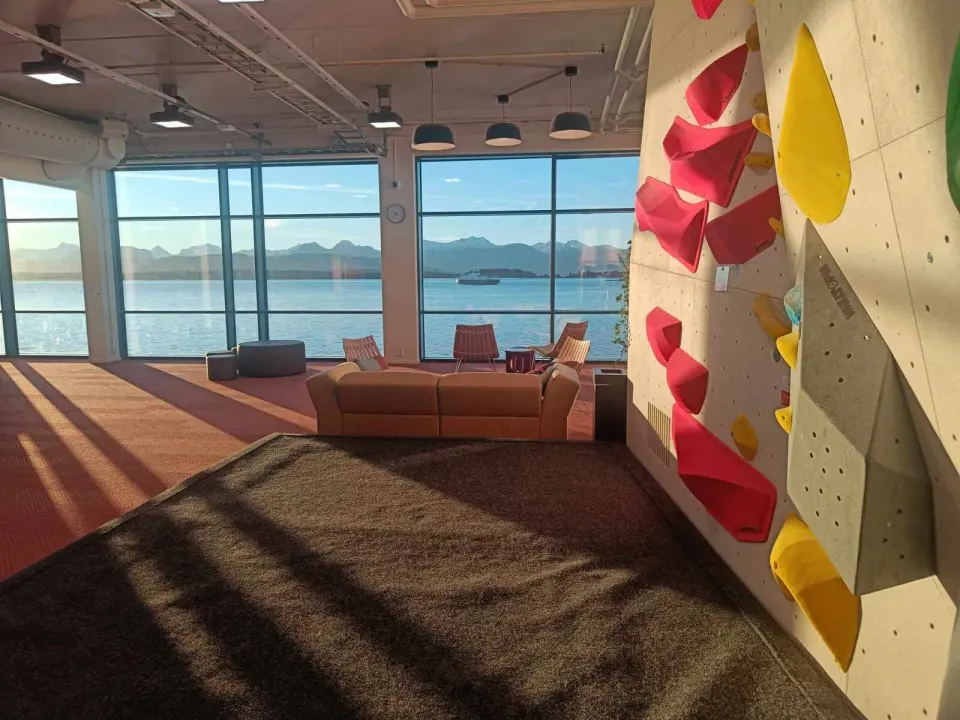
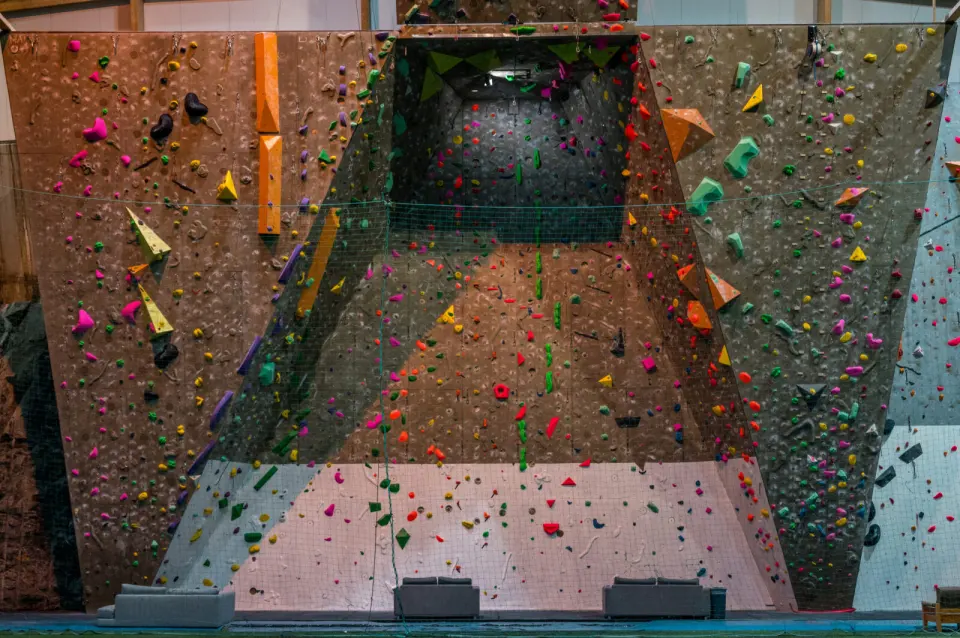
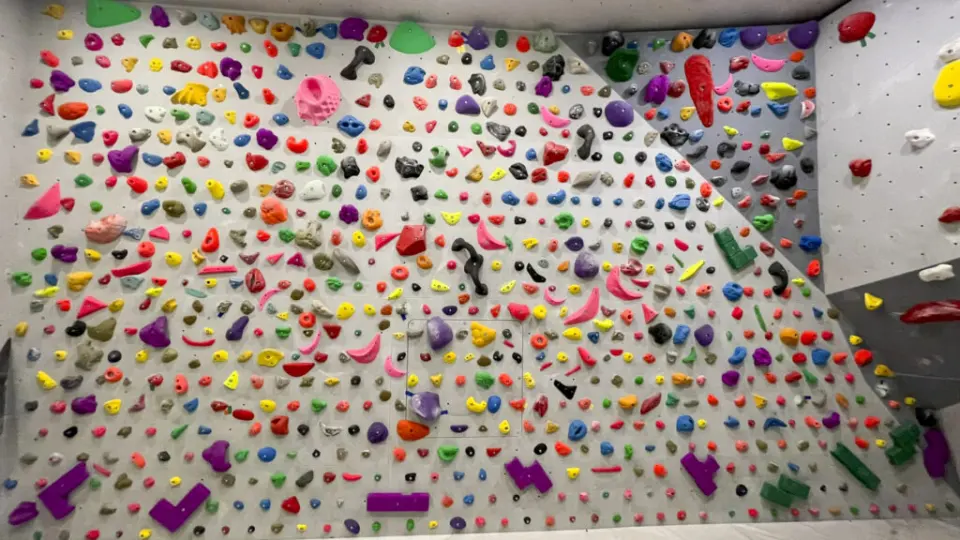
Western Norway: Bergen has a big climbing scene, including Bergen Klatreklubb's Vestveggen, which the club bills as the largest climbing centre in the Nordic countries. Stavanger has a 17 m wall at Sørmarka and a 21 m LED wall at Playground, and there are good centres in Haugesund, Førde and Sogndal. Ålesund and Sunnmøre have a 22 m club wall and a bouldering gym in a converted silo, and Molde and Åndalsnes, the gateway to Romsdalen, have large modern walls of their own.
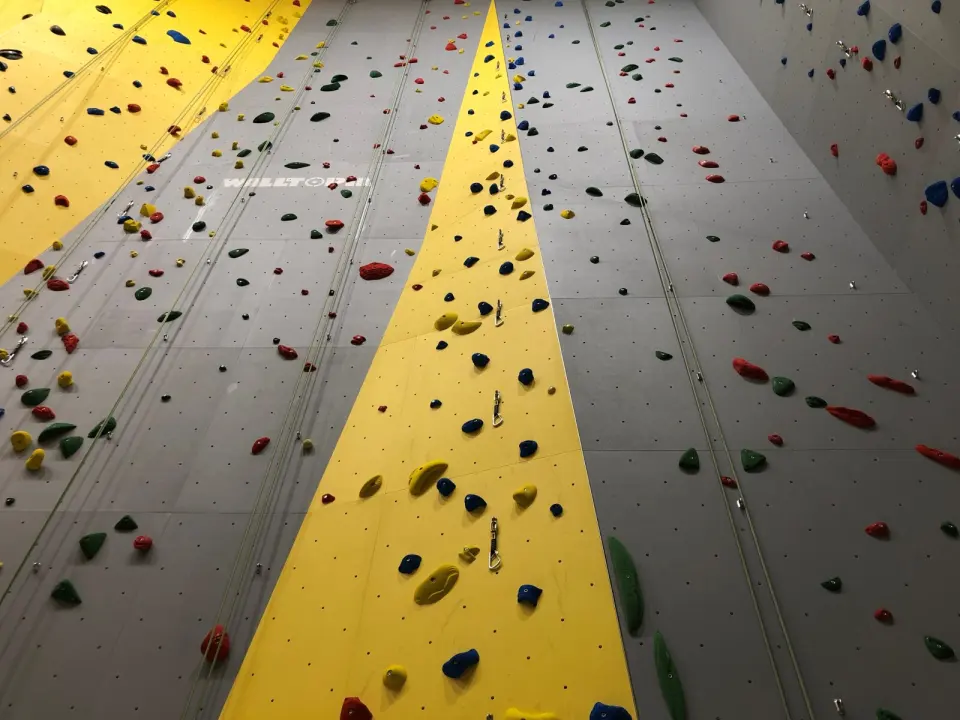
Central and northern Norway: Trondheim has Grip's two big centres and Buld, and Krux Klatring in Oppdal has the tallest wall we list, at 25 m. In the north, Tromsø has a club-owned centre and a bouldering centre in an old post terminal, and there are walls in Bodø, Mo i Rana, Narvik, Harstad, Lofoten and Hammerfest.
Clubs and centres
Many Norwegian walls are run by climbing clubs, often in municipal sports halls, with drop-in sessions on a few evenings a week and key-card access for members; the bigger centres in the cities are open every day. The Norwegian Climbing Federation (Norges Klatreforbund) had 32,569 members in 205 clubs in 2024 and passed 35,000 members in 2025, and Bergen Klatreklubb, with more than 3,200 members, is the largest club.
Prices
In October 2026 an adult day ticket cost from NOK 50 at some club halls to NOK 220, with most city centres charging NOK 150 to 175. Most offer cheaper weekday-daytime, student and child tickets, clip cards and monthly memberships, and some cards work across several centres: Klatreverket's in Oslo and Drammen, Grip's at both Trondheim centres, and Bergen Klatresenter's 10-visit card in Bergen, Førde and Tromsø.
The Brattkort
To belay on a rope in Norway you need a Brattkort, the national belay certificate issued by the federation, with levels for lead, top-rope and auto-belay. You get one by taking a course, usually at a wall or club, and passing a practical test, and it's valid for life once you're 18. Bouldering needs no certificate anywhere, and many centres let you use their auto-belays after a short introduction. Rules for foreign belay certificates vary from wall to wall: some accept an equivalent card and others let experienced climbers book a belay test, so ask before you go.
Competitions
The federation runs the national championships and the national cup, the Norgescup, and regional cups from the Østlandscup in the east to the Polarcup in the north. In 2026 the senior bouldering championships were held at Fredrikstad Buldresenter and the lead and para championships in Oslo. The senior bouldering championships are planned for Kristiansand in March 2027 and the lead championships for Sogndal in September 2027, and Bergen hosts a European Youth Series round in September 2027. Norway's para-climbers won international medals in 2026, ahead of the sport's Paralympic debut in 2028.
Climbing outdoors
Flatanger's Hanshelleren cave holds some of the hardest sport routes in the world, including Adam Ondra's Silence, first climbed in 2017 and proposed as the first 9c. Lofoten has granite trad climbing around Henningsvær, busiest in June to August, and Setesdal has more than 650 routes on granite. Romsdalen's Trollveggen is often called the tallest vertical rock face in Europe, Jøssingfjord has hard trad on the Profilveggen, Kolsås is Oslo's local crag, and Rjukan is famous for reliable ice from December to March. Norway's right to roam lets you walk in uncultivated land all year and camp at least 150 m from houses and cabins, though you need the landowner's permission to stay more than two nights in one place or to place bolts.