Where to climb in Australia
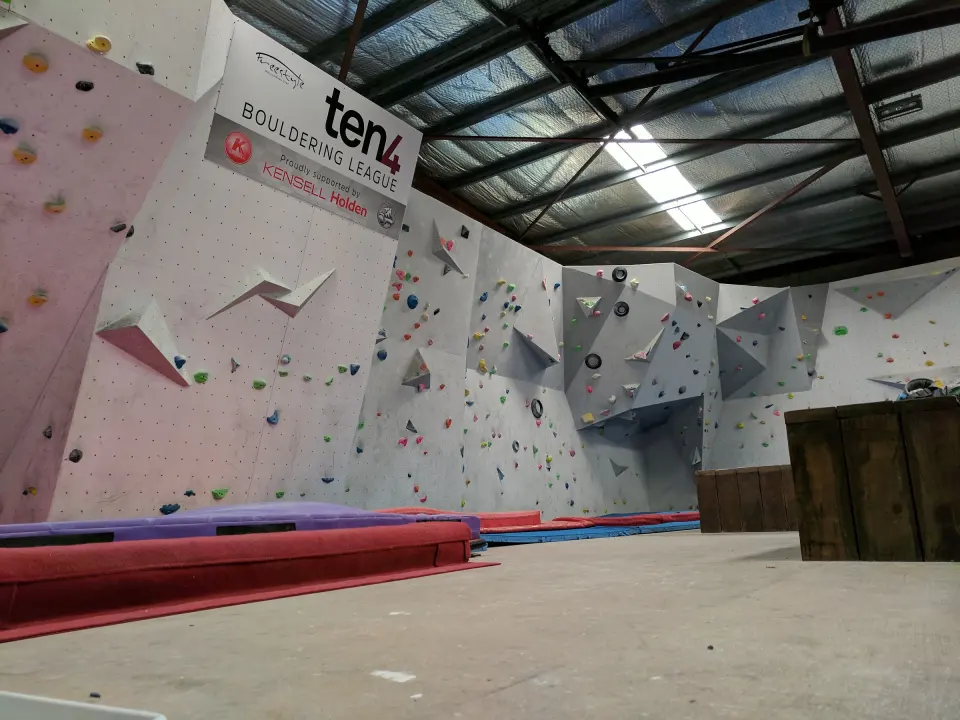
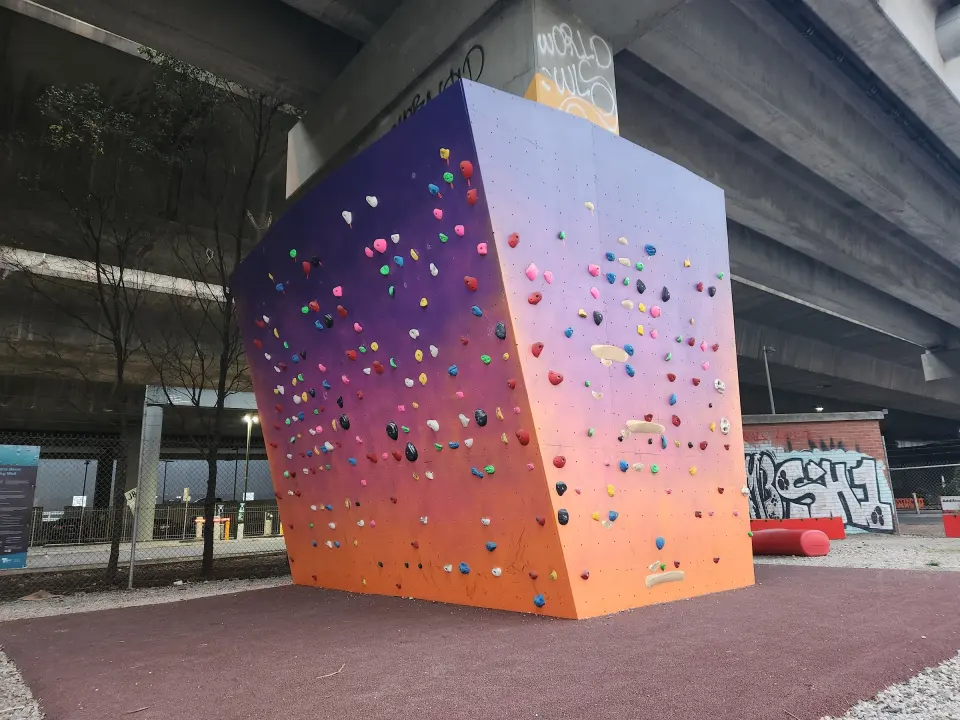
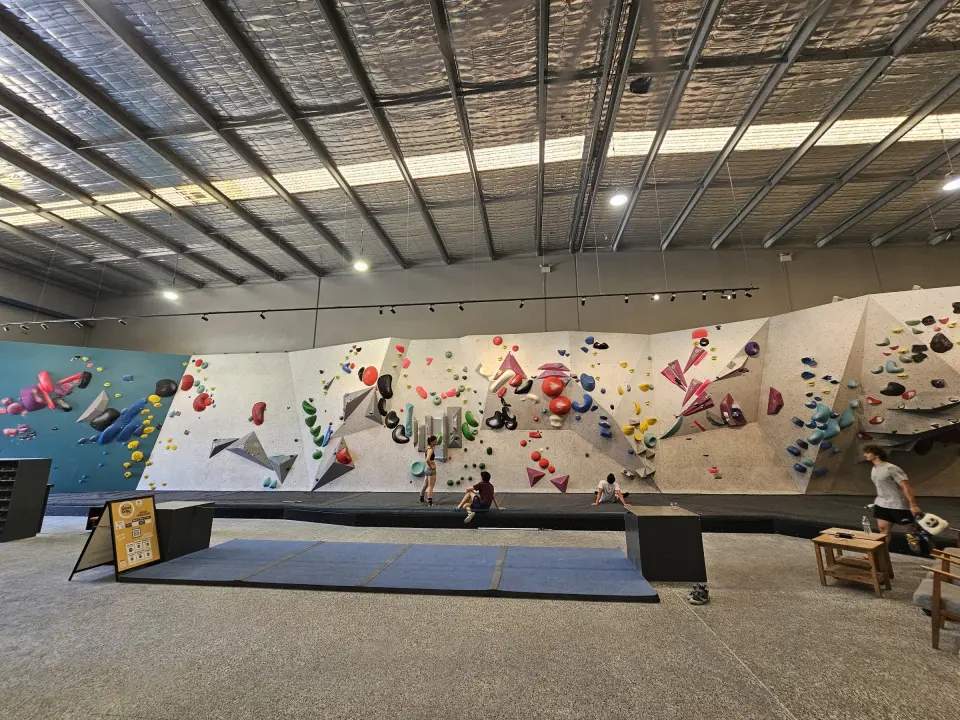
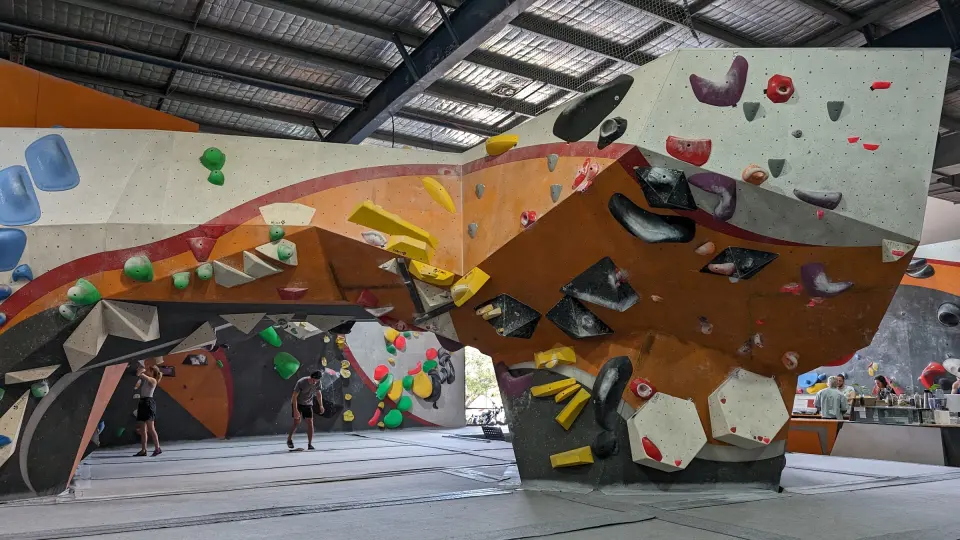
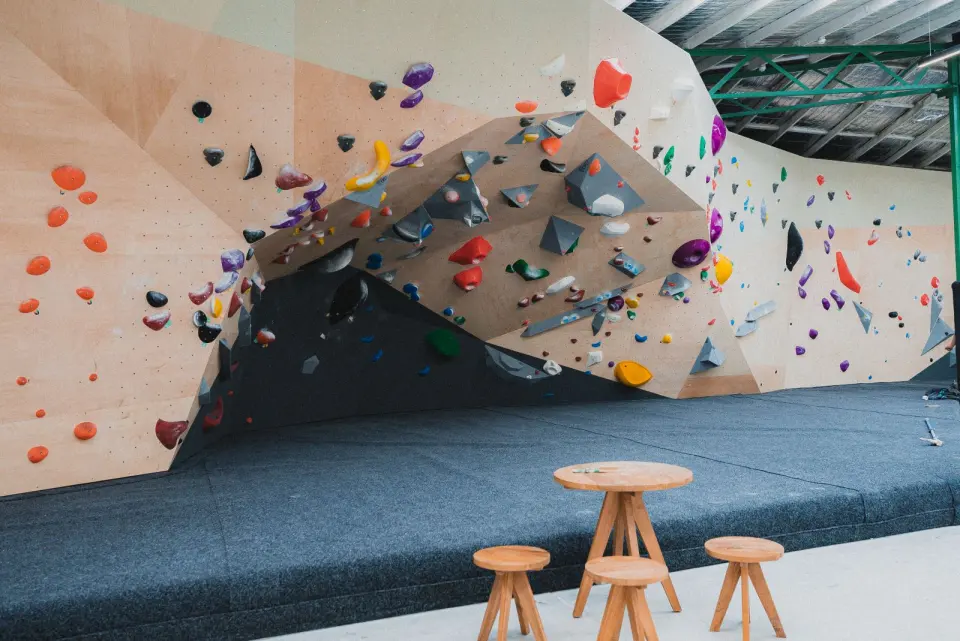
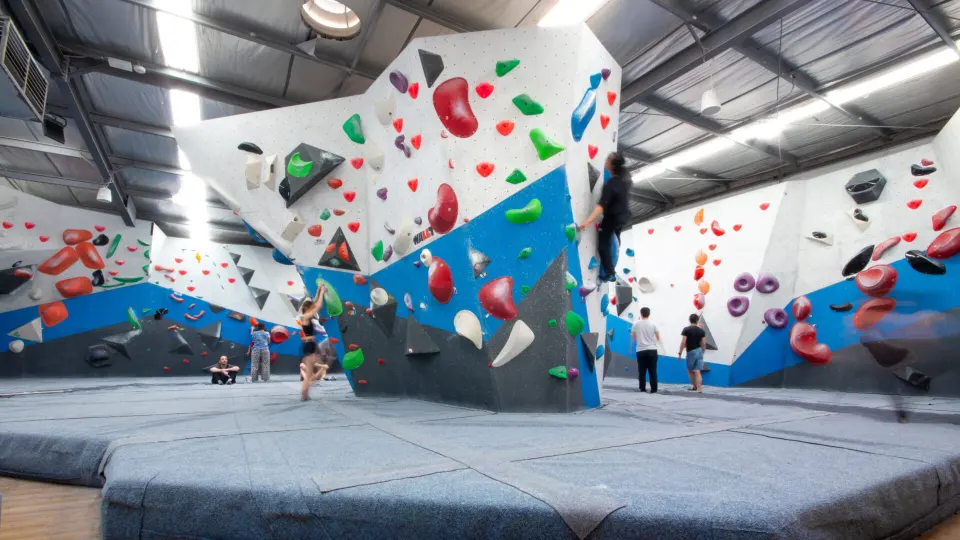
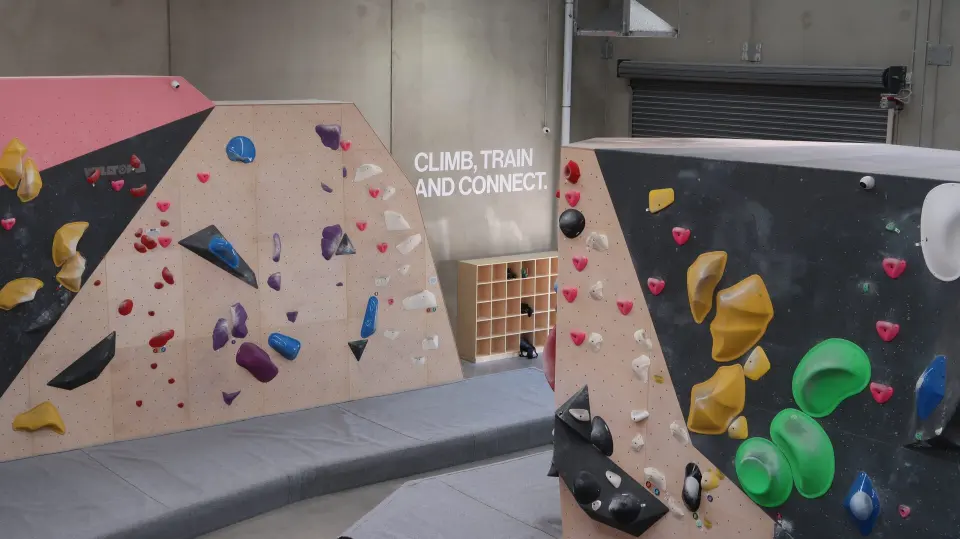
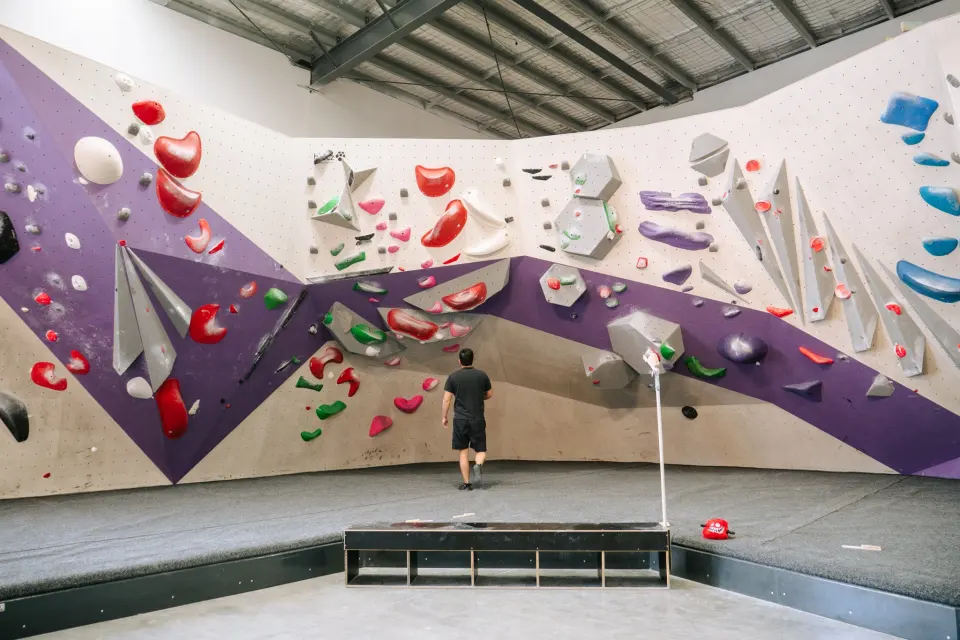
Melbourne has more walls than anywhere else on our listing, from bouldering gyms in Brunswick, Northcote and Collingwood to free public walls under freeways and bridges. Sydney comes next, then Brisbane and Perth, while Adelaide, the Gold Coast, the Sunshine Coast, Canberra, Newcastle and Wollongong have several each. By state, New South Wales, Victoria and Queensland have the most, ahead of Western Australia, South Australia, Tasmania, the Australian Capital Territory and the Northern Territory.
Away from the capitals, one gym often serves a whole region: Gecko Climb in Darwin, Urban Climb Townsville, Rocky Climb in Rockhampton, Centre of Gravity in Port Macquarie, The Hold in Bendigo and Beta Park in Launceston.
The chains
Several operators run gyms in more than one suburb or city, and their memberships usually cover every gym in the group:
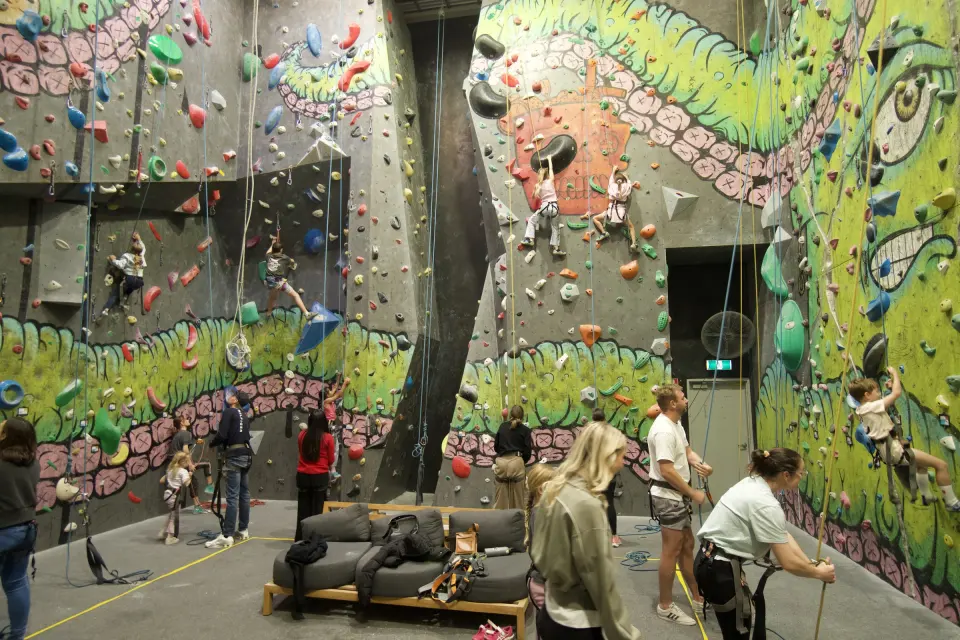
- Urban Climb: Brisbane (West End, Milton and Newstead), Melbourne (Collingwood, and Blackburn, a 2,800 m² centre with a 17-metre rope hall), Adelaide and Townsville.
- 9 Degrees: bouldering gyms in Sydney (Alexandria, Waterloo, Chatswood and Parramatta) and Brisbane (Enoggera and Morningside).
- BlocHaus: Marrickville and Leichhardt in Sydney, Fyshwick and Mitchell in Canberra, and Port Melbourne.
- Boulder Lab and Northside Boulders in Melbourne, Portside Boulders in Perth and Joondalup, Beyond Bouldering in Adelaide, Pulse Climbing around Newcastle and on the Central Coast, and Climb Fit's roped gyms in Sydney.
Bouldering or roped climbing
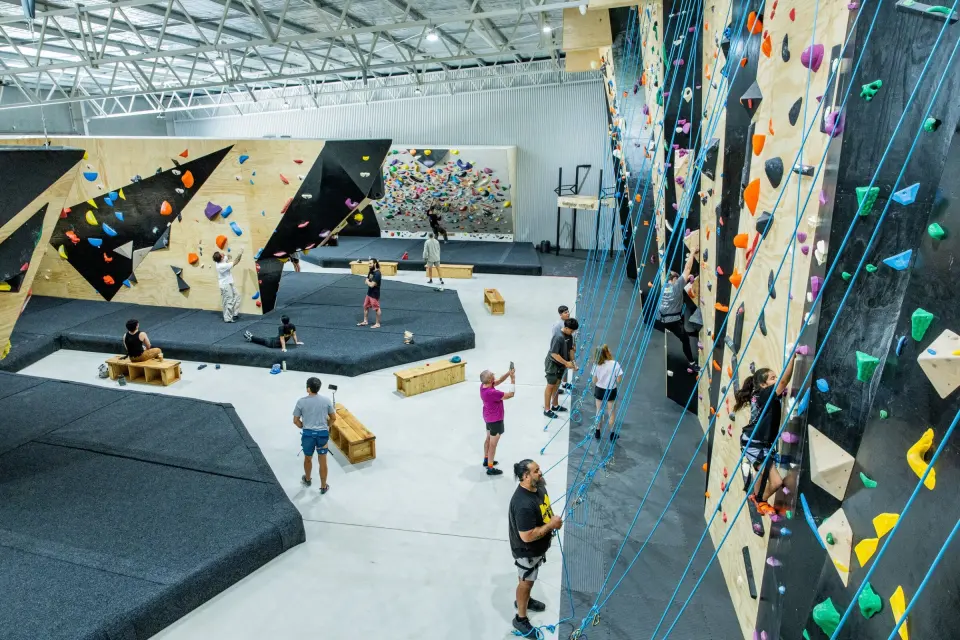
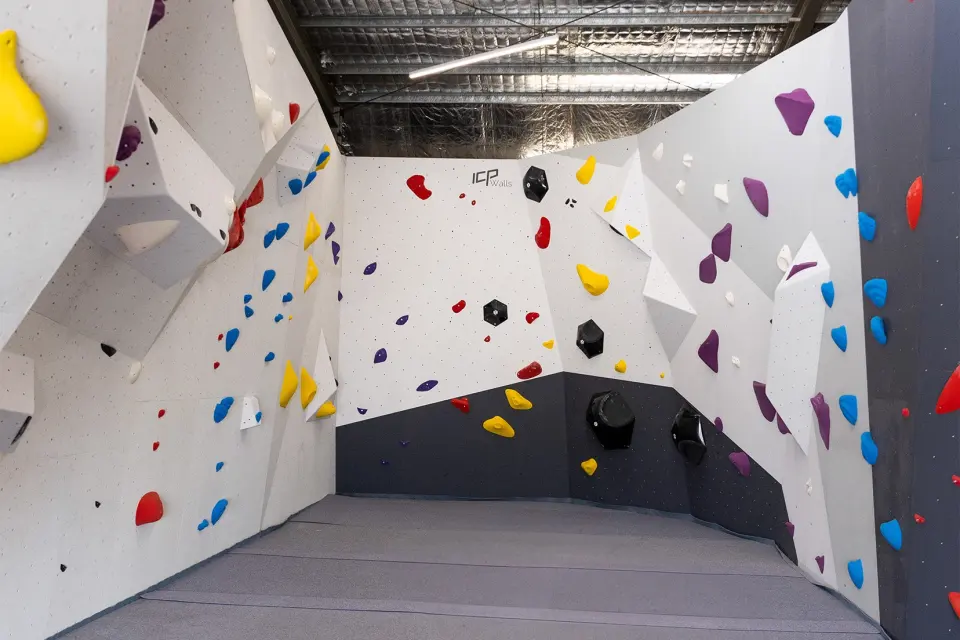
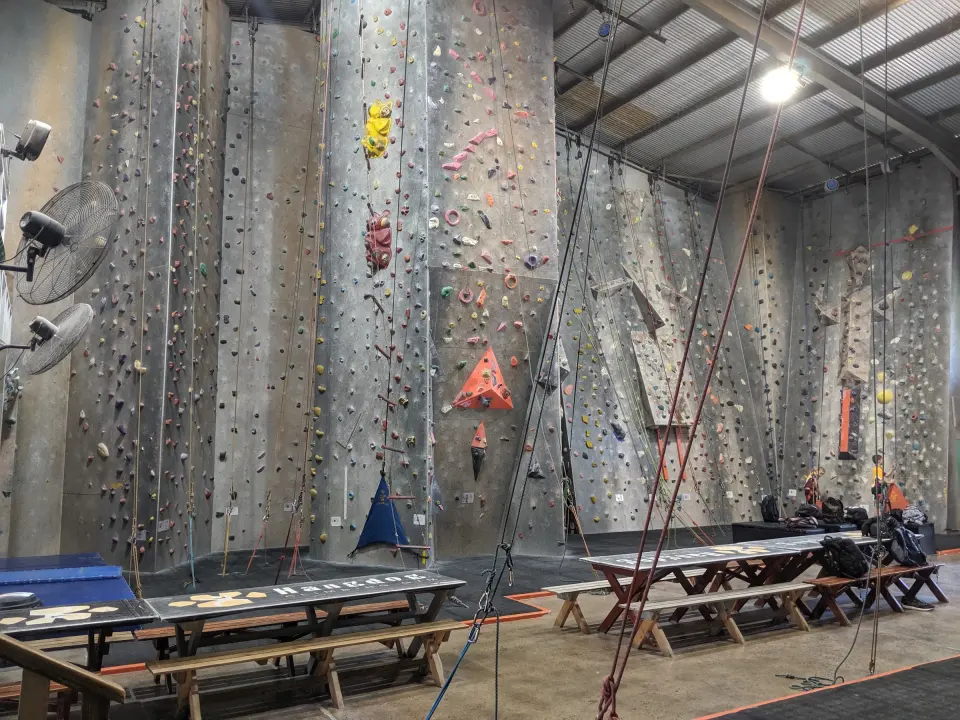
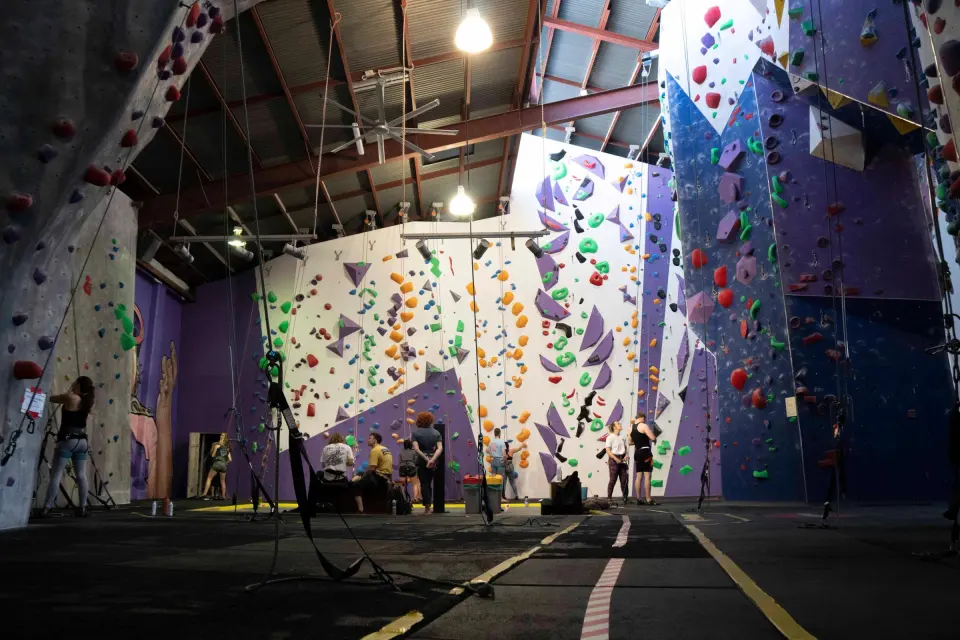
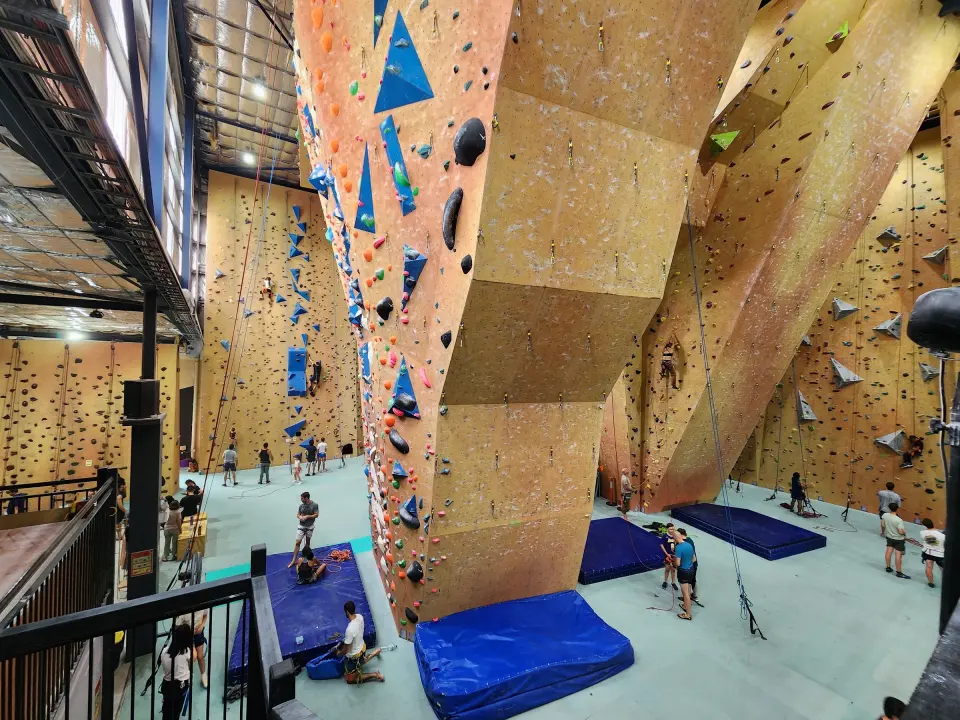
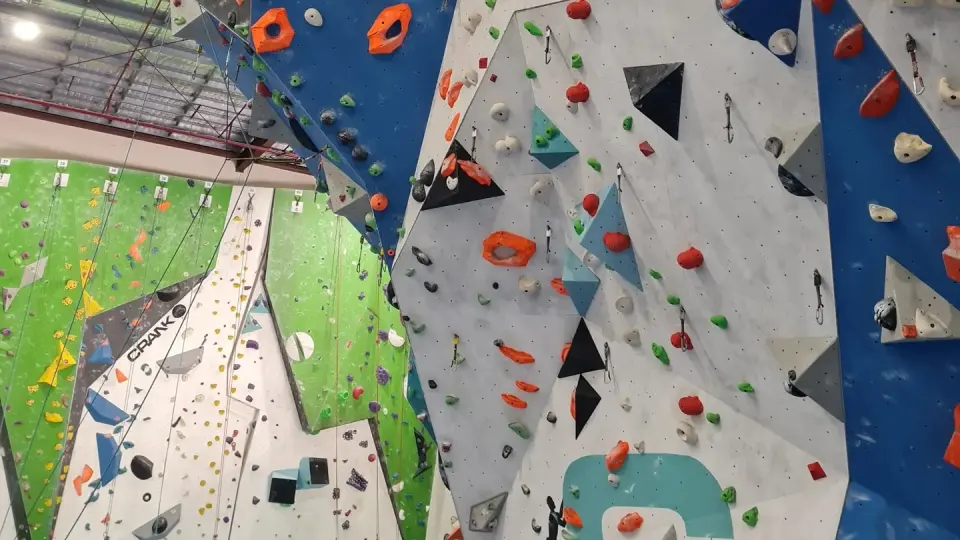
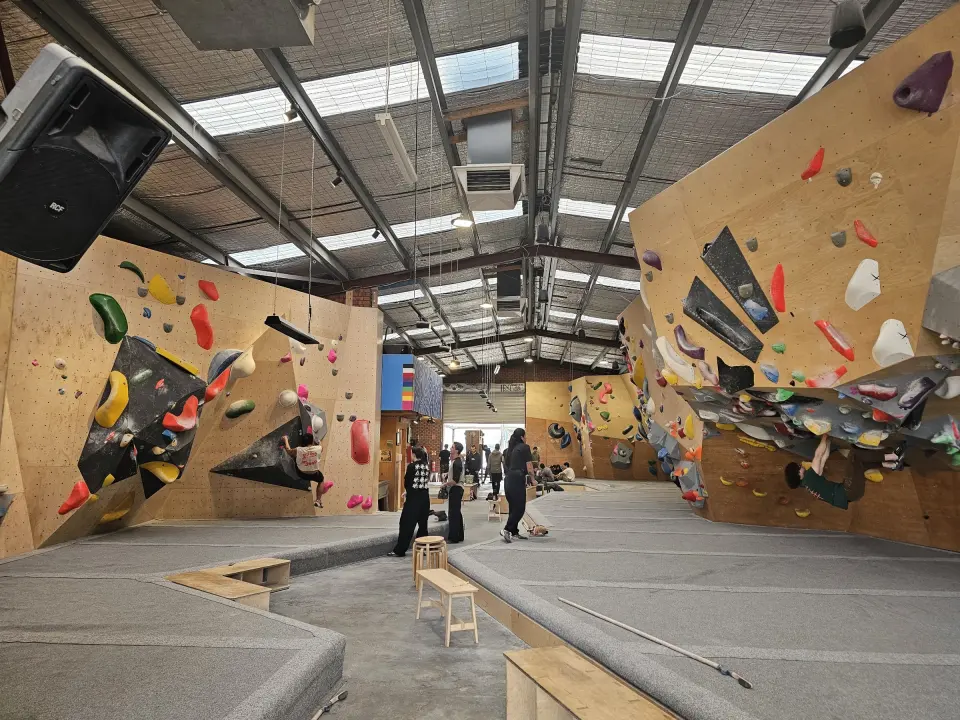
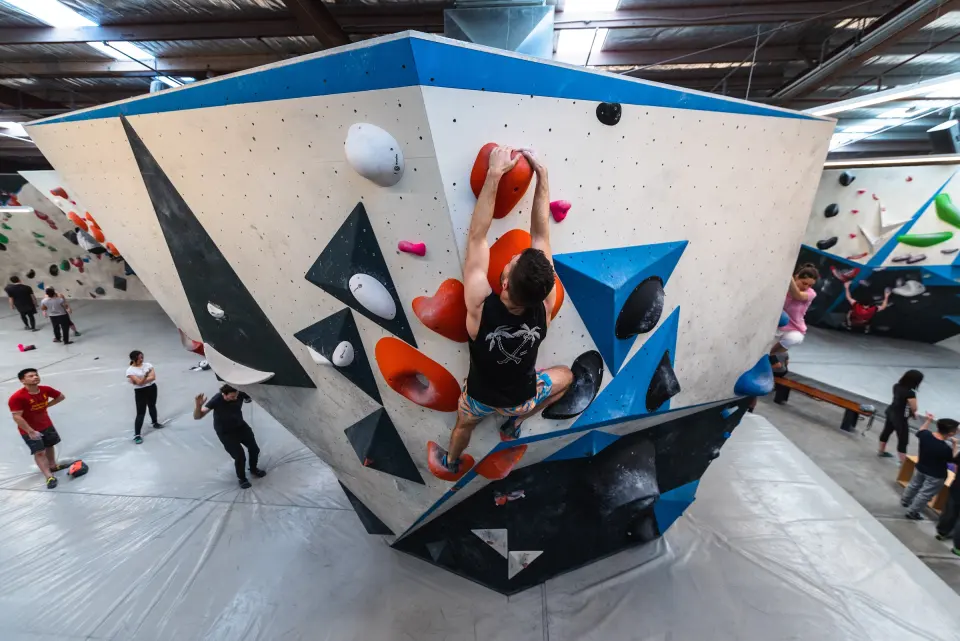
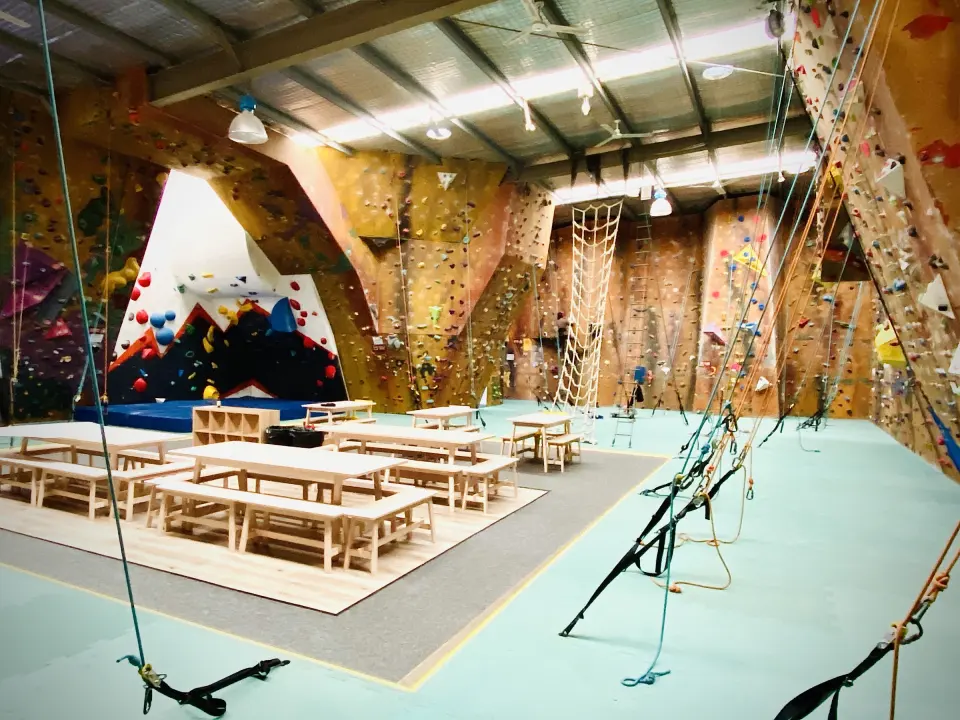
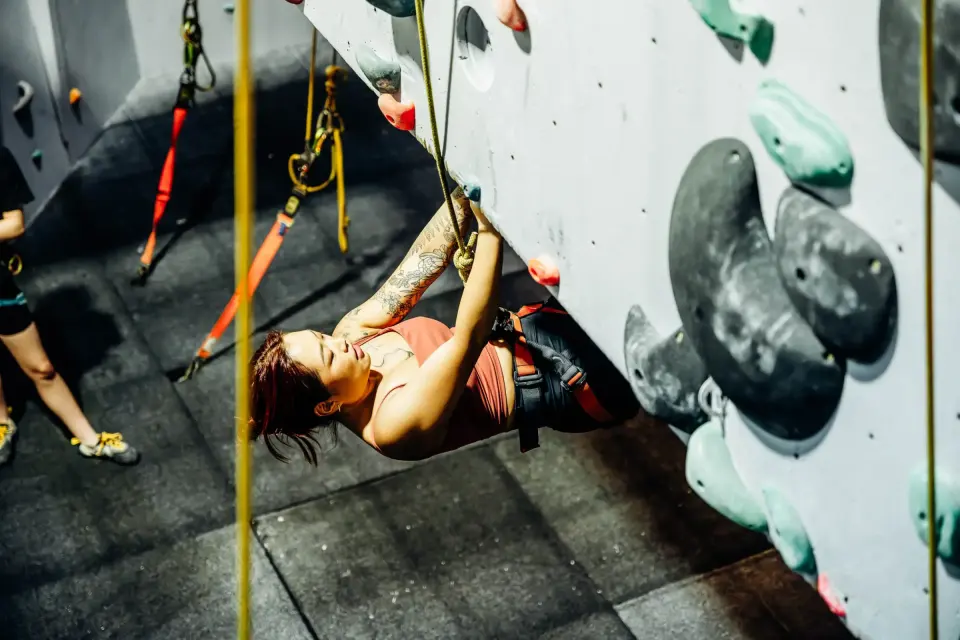
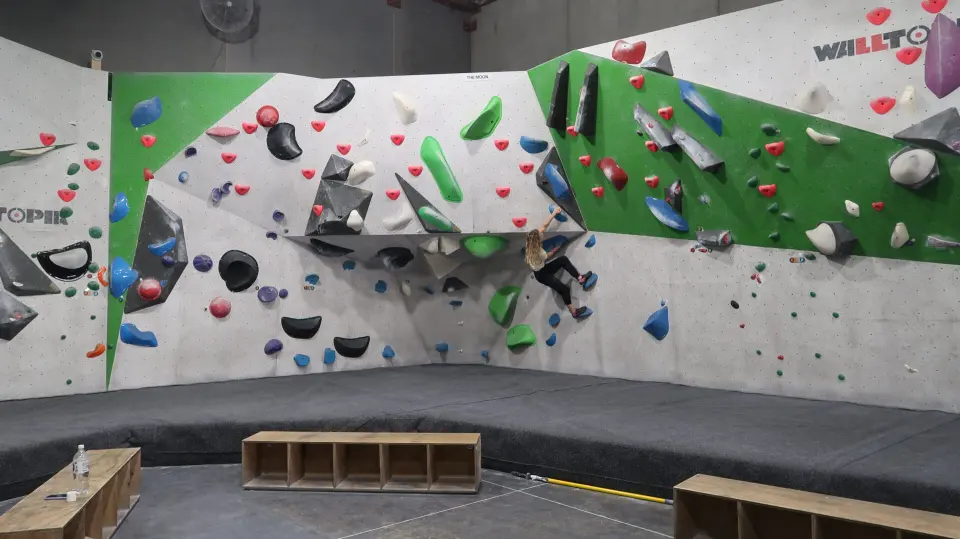
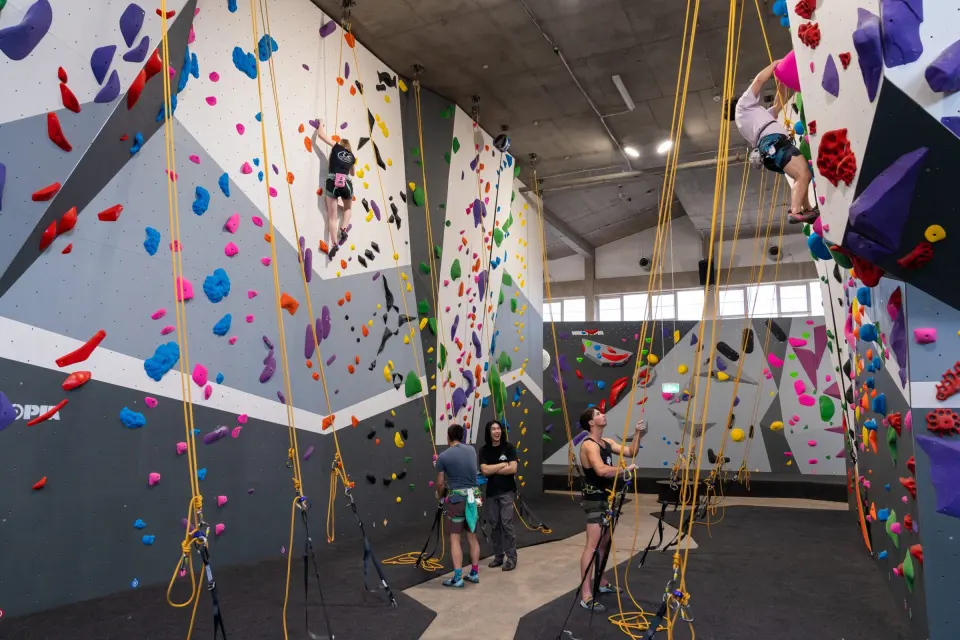
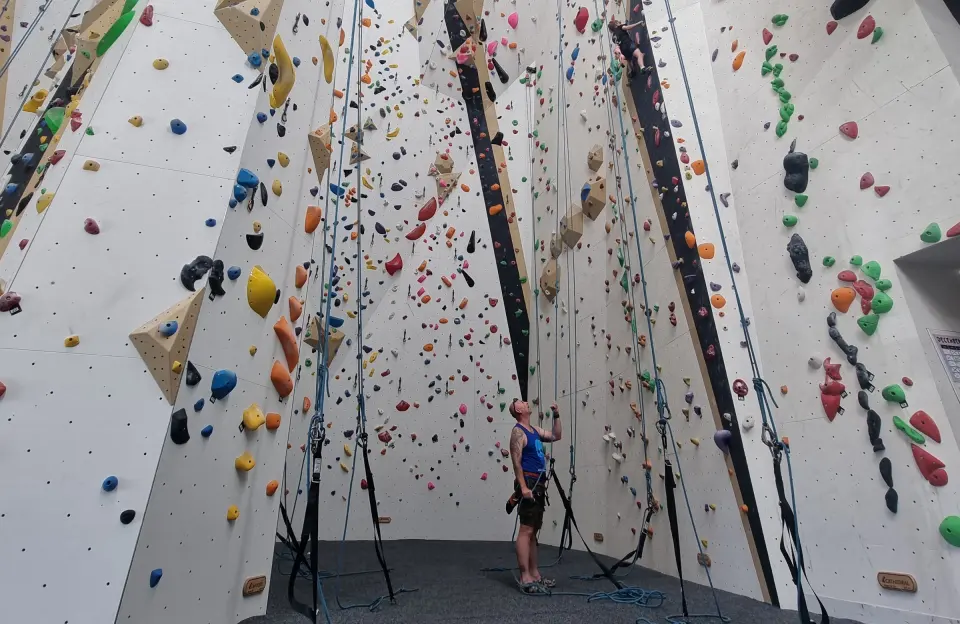
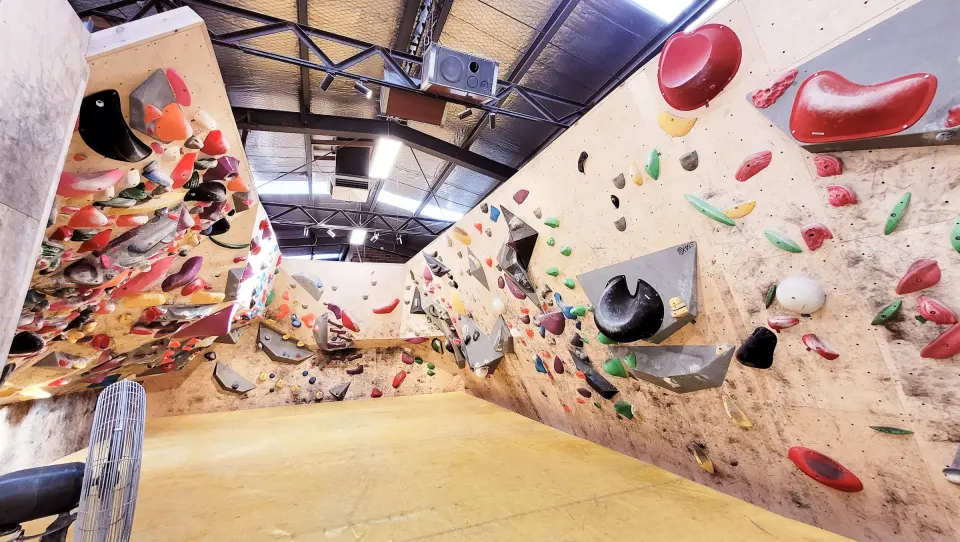
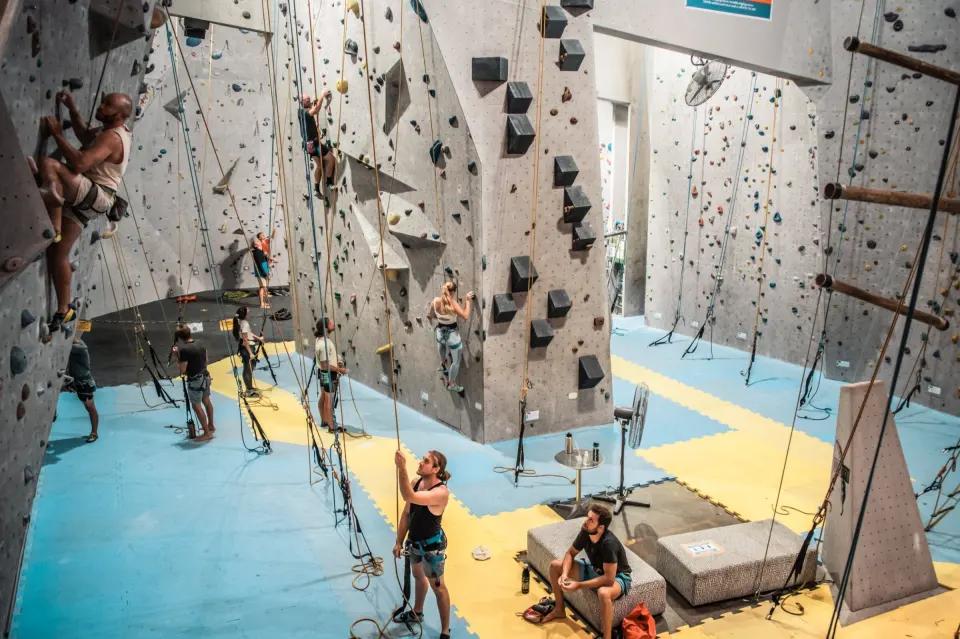
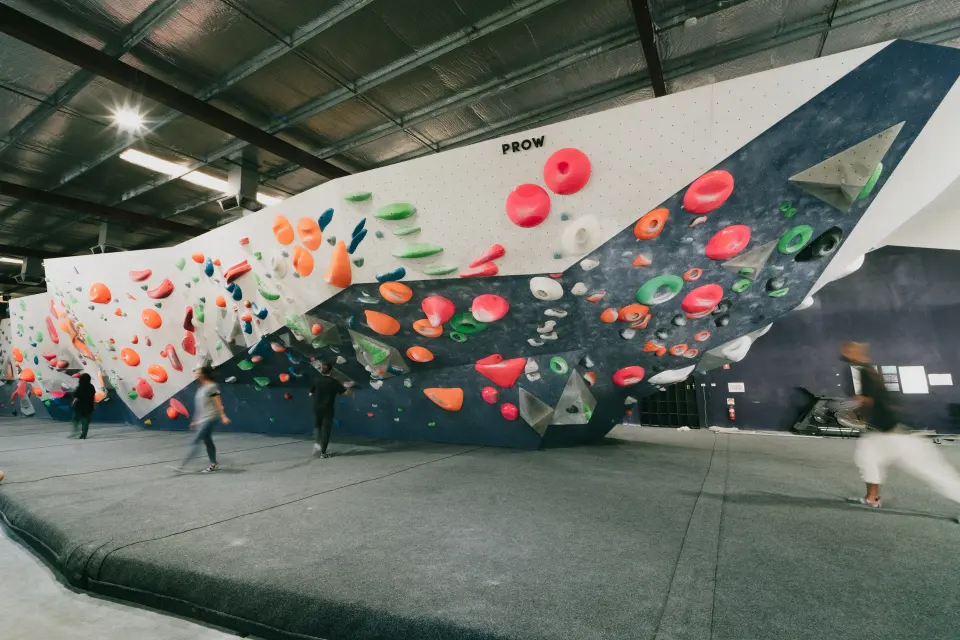
About three in five public walls on our listing are bouldering-only, including most of the chains' gyms, so all you need is shoes and chalk. For ropes, head to one of the big roped centres: Sydney Indoor Climbing Gym in St Peters, open since 1993, The Edge in Castle Hill, with walls up to 18.5 metres, Hardrock in Melbourne's CBD, Urban Climb West End and Crank in Brisbane, Urban Jungle and Oasis Climbing in Perth, Vertical Reality in Adelaide or Rock It in Hobart. Many have auto-belays, so you can climb on a rope without a partner. Boulders are usually graded by colour, while routes carry Ewbank grades, the Australian scale of plain numbers that John Ewbank devised in 1967.
What it costs
In October 2026 an adult casual entry at most gyms cost $22 to $26, with shoe hire usually $7 more and a harness $5 to $7 at roped gyms. Students and concession-card holders save about $2, and some gyms run cheap student days, such as BlocHaus's $17 Textbook Tuesdays in Canberra. A ten-visit pass costs about $200 to $235. Memberships are mostly billed weekly by direct debit, at about $29 to $39 a week (roughly $125 to $170 a month), with lower rates on six- or twelve-month contracts and sometimes a sign-up fee. Intro offers are common: a first visit to 9 Degrees, for example, buys a week of climbing at all its gyms.
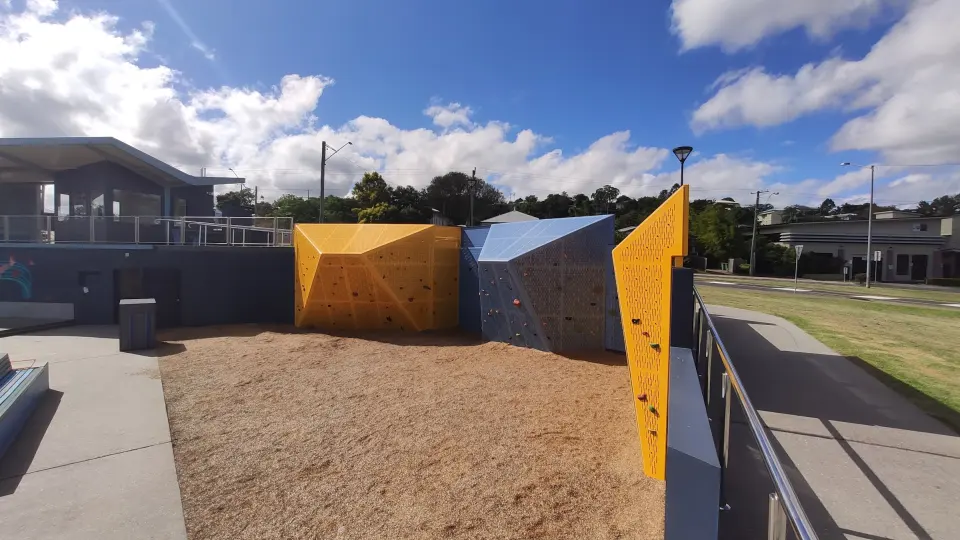
Some walls cost nothing. Free public bouldering walls include the volunteer-built Burnley Bouldering Wall under Melbourne's Monash Freeway, the Cairns Esplanade Bouldering Park and the Scarborough Rock Climbing Wall on Perth's foreshore. Bring your own shoes and chalk.
Your first visit
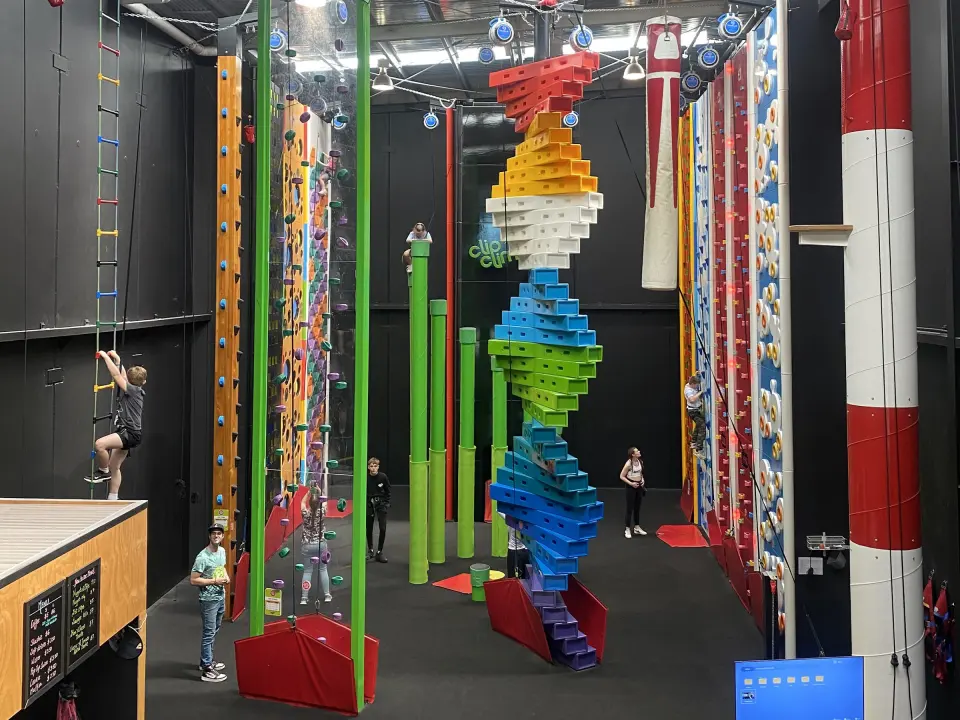
Every gym asks you to sign a waiver, online or at the desk, with a parent or guardian signing for under-18s, and gives first-timers a short safety induction, video or demonstration. Most bouldering gyms take walk-ins. Roped gyms teach or check your belaying before you climb with a partner, and lead climbing needs a lead assessment or course. Minimum ages vary: roped, auto-belay and Clip 'n Climb centres take children from about four, while many bouldering gyms are for over-12s or over-13s outside family areas and kids' classes. Our guide to how climbing gyms work in Australia covers passes, belay tests and etiquette in detail.
Competitions
Sport Climbing Australia governs competition climbing and is affiliated to World Climbing. Its state associations, such as Sport Climbing Victoria, Sport Climbing Queensland and Sport Climbing NSW, run open and youth titles in bouldering and lead, which select young climbers for the Australian Youth National Championships, and SCA holds national championships in bouldering, lead and speed, plus para climbing events. Gyms host them: in 2026 NOMAD Bouldering Gladesville staged the national boulder championships alongside a World Climbing Oceania event, and Climbing Jungle in Ballina the youth nationals. Many gyms also run their own leagues and festivals.
Climbing outdoors
Victoria's Dyurrite (Mount Arapiles), with thousands of quartzite routes, and Gariwerd (the Grampians) are among Australia's premier climbing areas. Parks Victoria allows climbing in Gariwerd only in designated areas, and new access arrangements at Dyurrite from October 2026 close some climbs, so check before you go. In Queensland, Frog Buttress has more than 400 routes on rhyolite columns, and Brisbane has its own floodlit crag, the Kangaroo Point Cliffs. New South Wales has the Blue Mountains, where crags such as Centennial Glen near Blackheath are popular, and Tasmania has the Totem Pole, a 65-metre dolerite sea stack at Cape Hauy first climbed in 1968.