Where to climb indoors
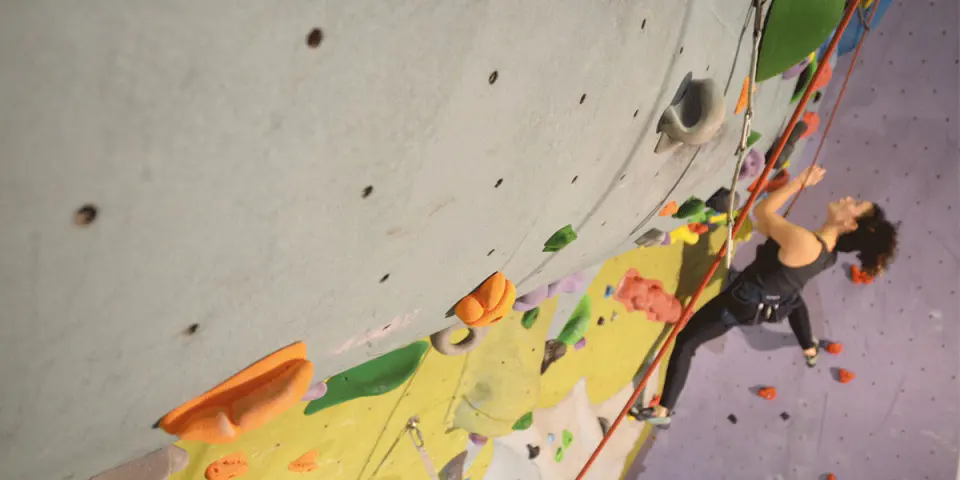
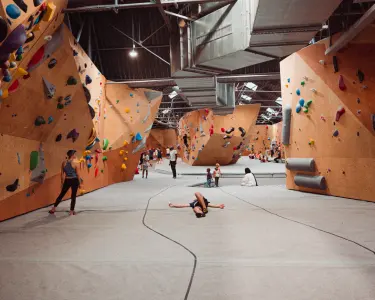
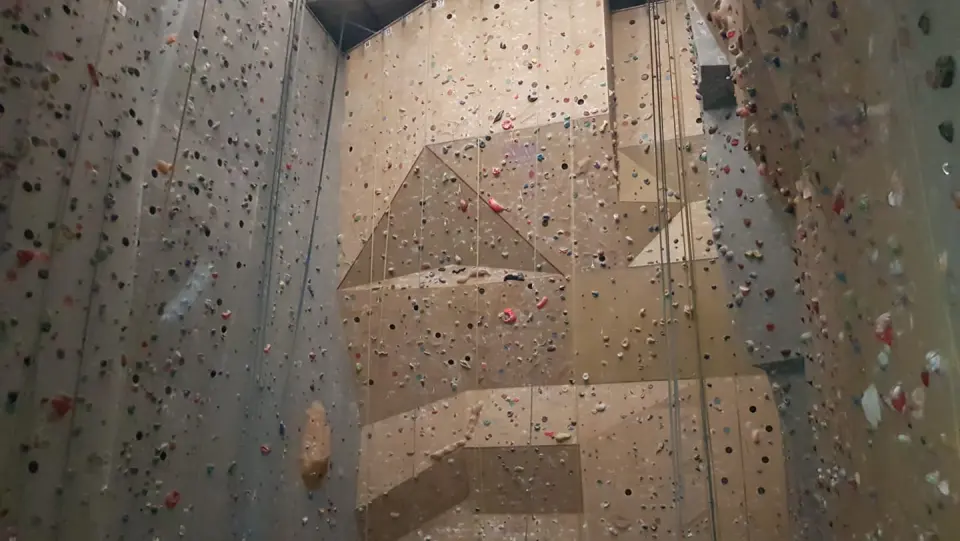
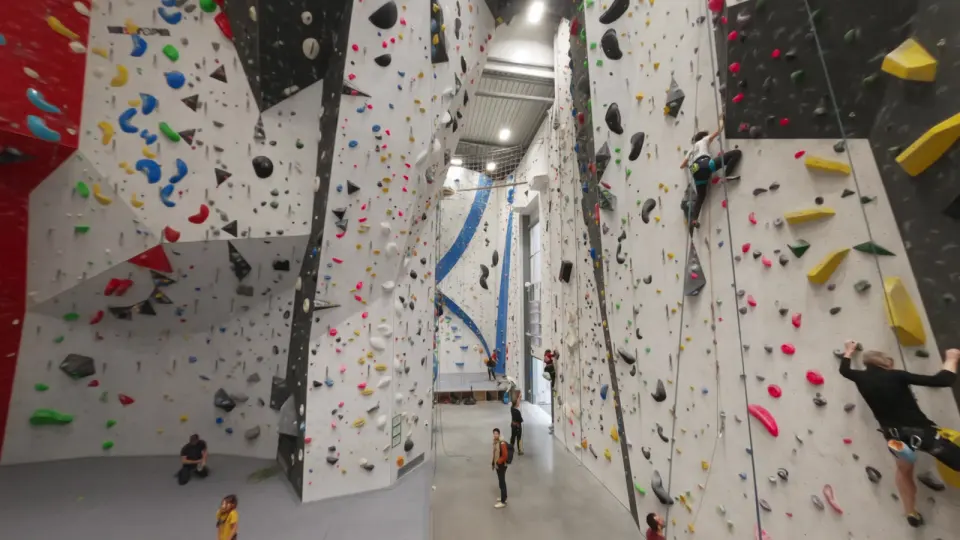
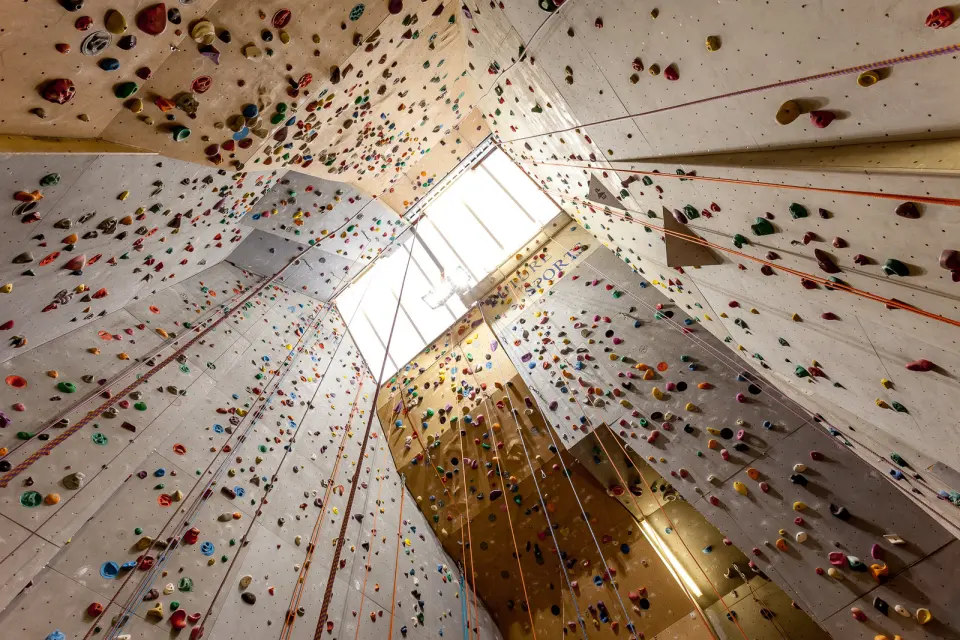
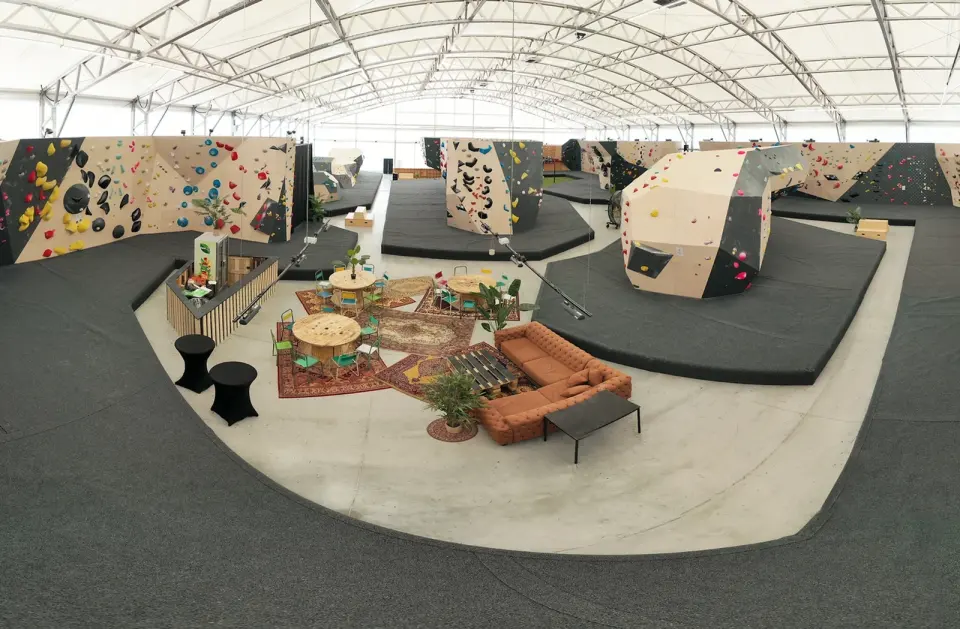
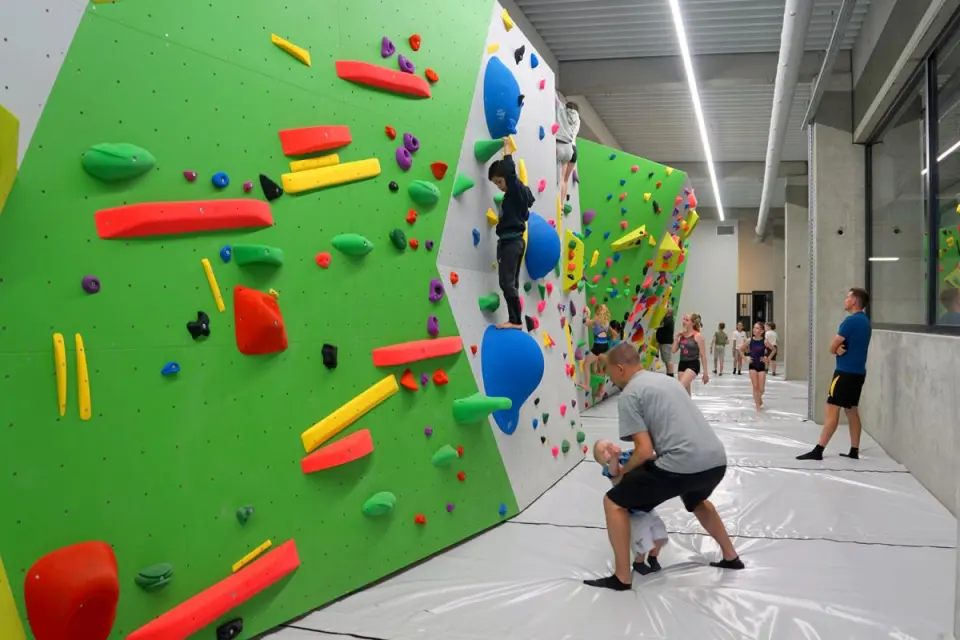
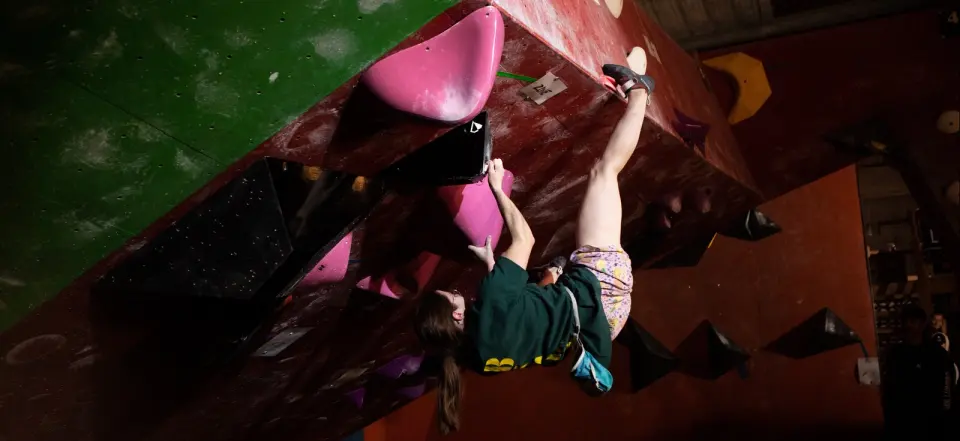
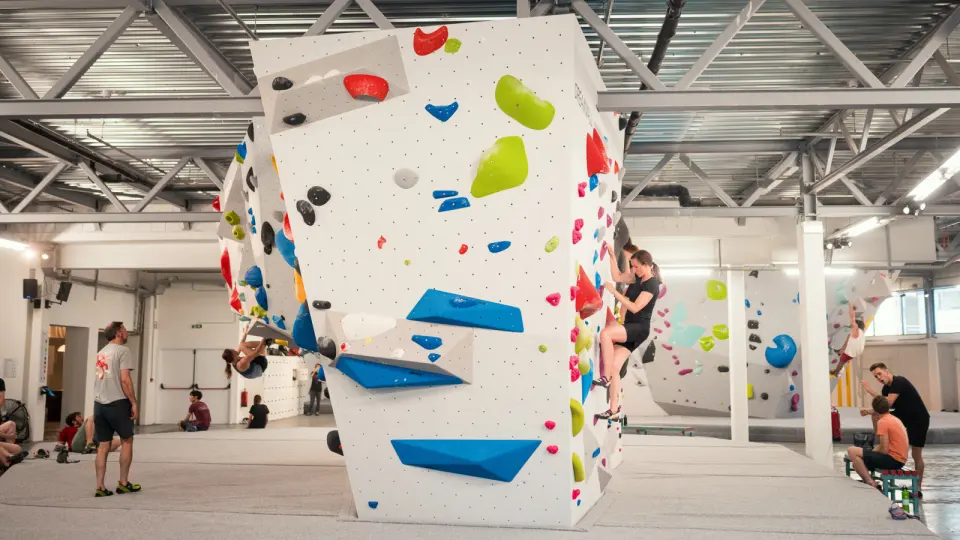
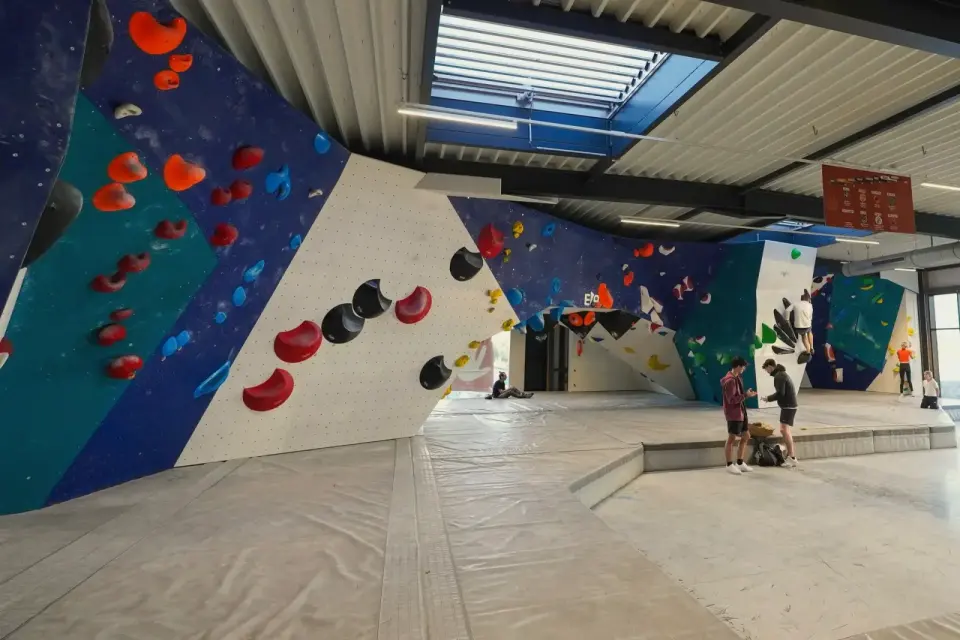
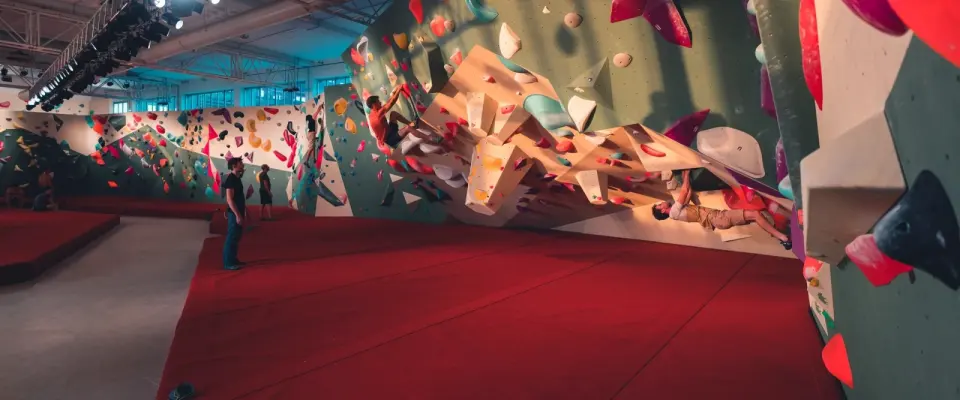
Brussels has more halls than any other city. Terres Neuves, which calls itself the first commercial climbing gym in the world, and New Rock in Auderghem, open since 1988, were among the first, and Maniak Padoue has routes up to 19 metres inside a church in Forest. For bouldering there are Arkose Canal, Le Camp de Base's three halls in Ixelles, À Bloc and Petite Île, with Hall9 and Pink Peaks just north of the city.
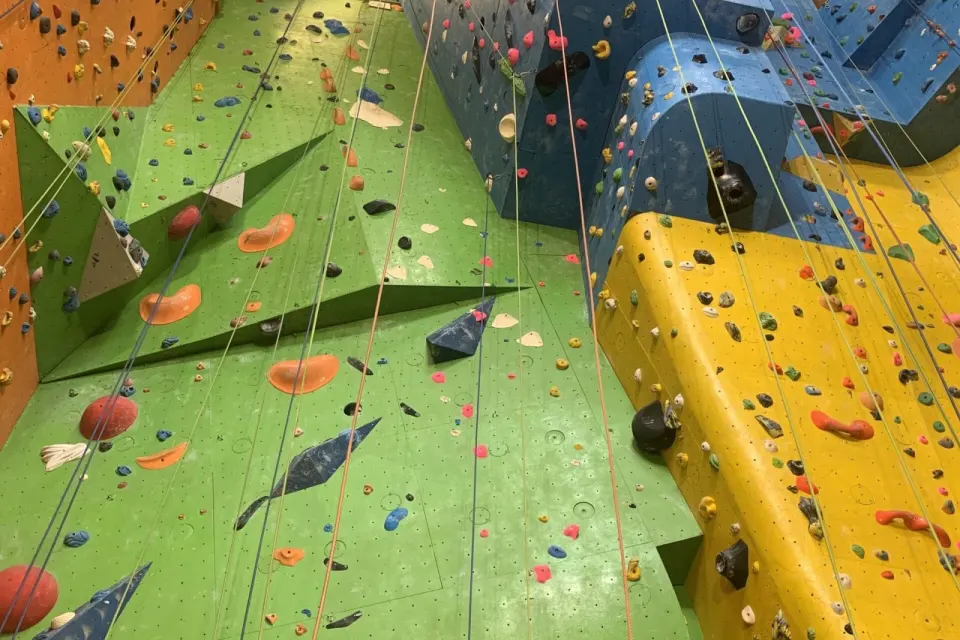
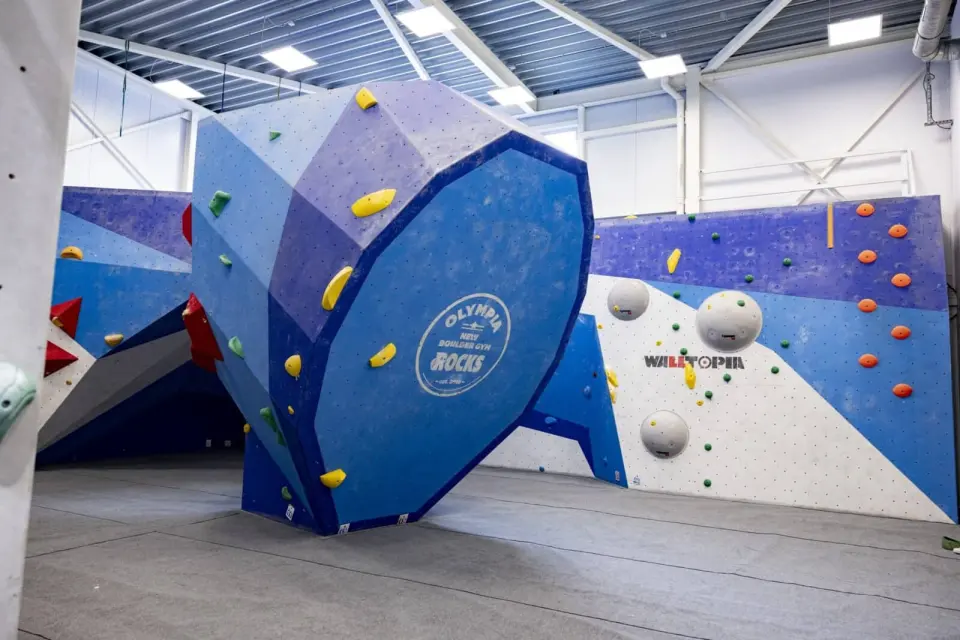
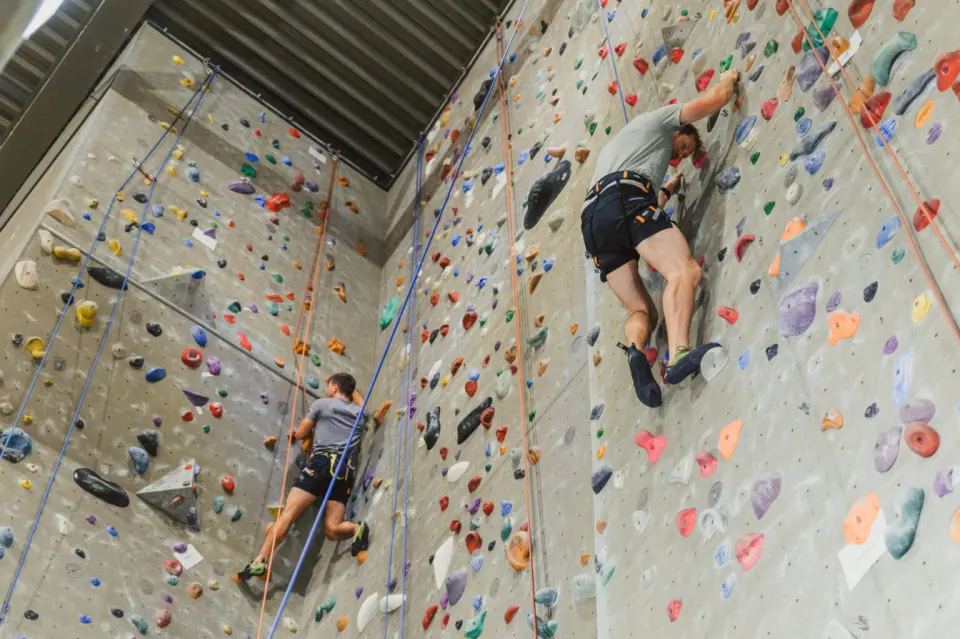
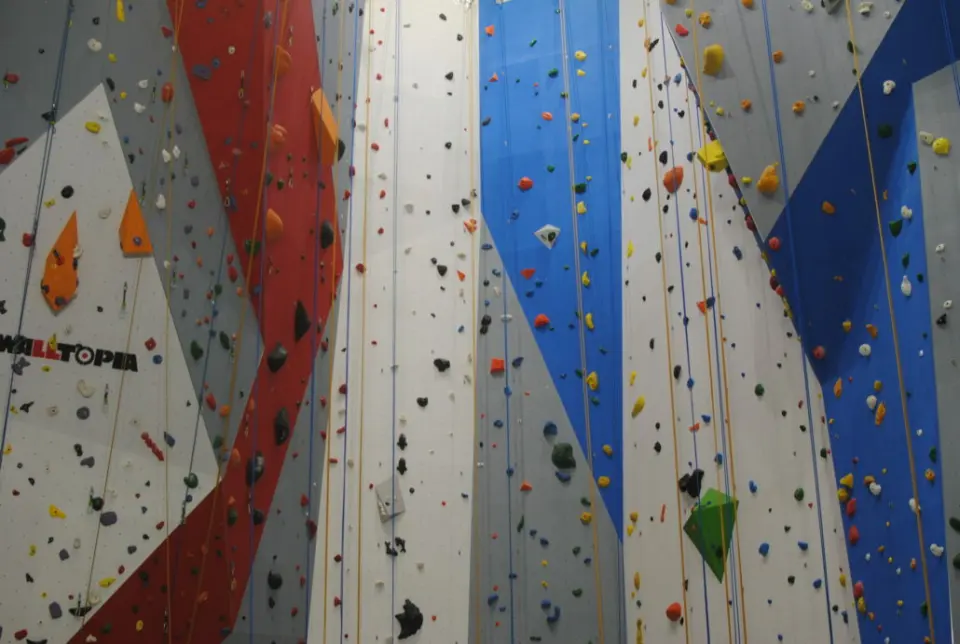
In Flanders, Antwerp has Klimzaal Blok, which opened in 1994 as the first bouldering hall in the Benelux, and Klimax, a club's indoor and outdoor rope walls at Breendonk, while Ghent has Klimzaal Bleau's rope halls at the Blaarmeersen and four bouldering halls. Leuven has the rope hall De Stordeur, Hasselt has Monk and Olympia, with Alpamayo in the power station of the old Beringen mine nearby, and Bruges has Onyx Boulder, opened in 2025. Transfo Climbing opened in a former power station in Zwevegem, near Kortrijk, in October 2025, with 16-metre walls and 62 ropes.
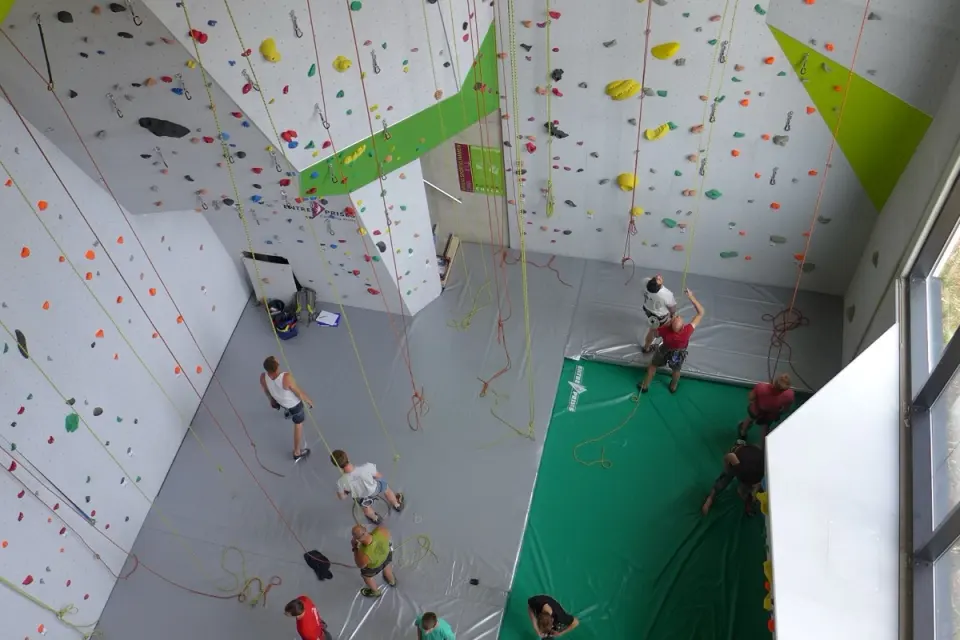
In Wallonia, Liège's Top Rock, L'Éléphant and Isatis share one pass, Namur has Roc Evasion's 16-metre rope hall and BeBloc's bouldering indoors and out, and in Hainaut Maniak and Espace Grimpe in Charleroi and Face Nord in Mons are the main halls. Further south, L'Escale in Arlon has a 17-metre rope hall, and TRIBE opened in Marche-en-Famenne in late 2025 in the former Peace & Bloc bouldering hall.
Chains and shared passes
Several operators run more than one hall. Maniak has halls in Forest, Braine-l'Alleud, Nivelles and Charleroi, and its memberships also work at Pink Peaks and TRIBE. Le Camp de Base runs three halls in Ixelles, Klimkaffee has bouldering halls with cafés in Mechelen, Herentals and Oudenburg, and Blackbox Boulder in Kortrijk and Transfo Climbing share their passes. In Ghent, Bleau, Rhino and Arsenaal share one price list, Liège's three group halls share their passes, and so do The Wall's halls in Verviers and Malmedy. Arkose from France and Beest Boulders and Monk from the Netherlands each have a hall here too.
Prices
In October 2026 an adult day ticket at most commercial halls cost €13 to €15, and €14 was typical. Club and municipal halls cost less, such as €6.50 at De Panne's municipal hall, €7 for Le Mousqueton's open sessions in Marche-en-Famenne and €9.50 at Sport Vlaanderen's hall in Bruges. Many halls sell three-month or yearly subscriptions rather than monthly passes; where they do sell them, most cost €50 to €80. Members of the climbing federations often pay less.
Belay certificates
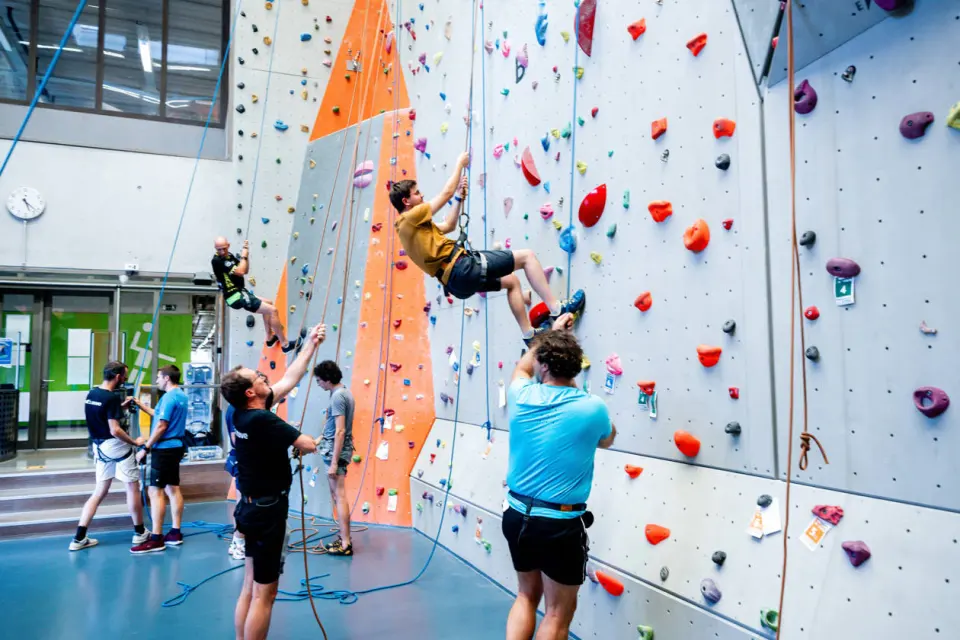
There's no legal belay licence in Belgium. Many Flemish halls ask for the Flemish federation's KVB 1 card, or proof that you can belay, before you climb on a rope, and most want a KVB 2 for leading, while halls in Brussels and Wallonia ask you to be autonomous and check it with their own briefings, tests and badges. Bouldering needs no certificate. Read what Belgian halls ask of roped climbers.
Competitions
The national federation, Climbing & Mountaineering Belgium (CMBEL), runs the Belgian championships and the Belgian Boulder and Lead Cups, and the halls host its rounds: the 2025 bouldering championship was at Arkose Canal in Brussels, and the 2027 one is provisionally set for BeBloc in Namur on 6 February. In Flanders, the Regional Climbing Youth Cup holds rounds at more than 20 halls through the season, and many halls run their own competitions, such as Master of Fire at Le Camp de Base and The Island Championships in Antwerp. Our climbing events calendar lists what's coming up.
Climbing outdoors
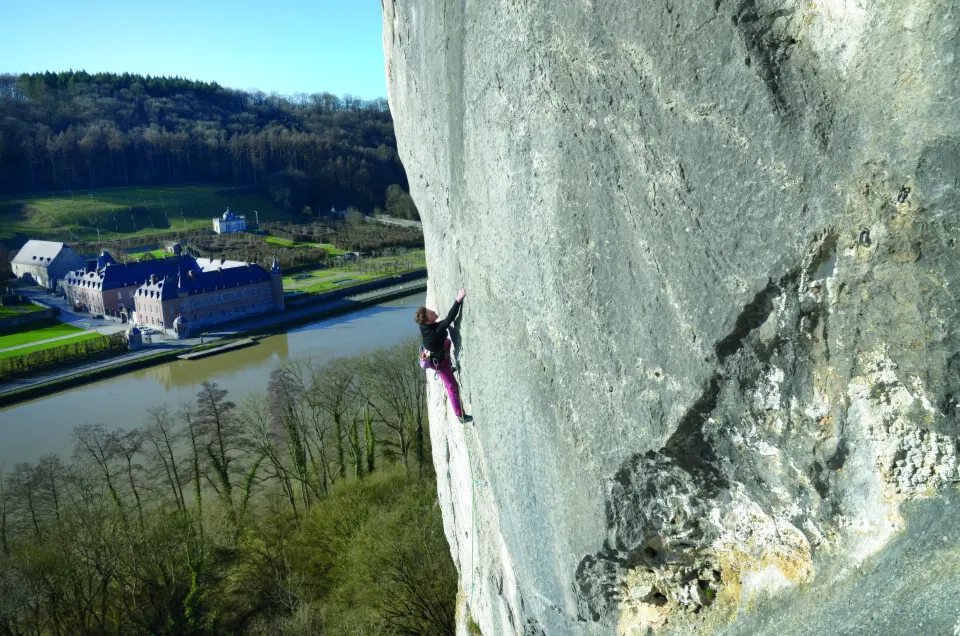
Belgium's crags are almost all in Wallonia, on limestone along the Meuse and the Ourthe. Freyr, near Dinant, is the highest, with about 700 routes up to 120 metres long, and Namur is surrounded by crags such as Beez and Dave. Every crag is on private or public land, and only members of a climbing federation, such as the CAB, the KBF or a foreign club in the UIAA, and the guests they invite may climb there. Read our guide to climbing outdoors in Belgium.