Where to climb indoors
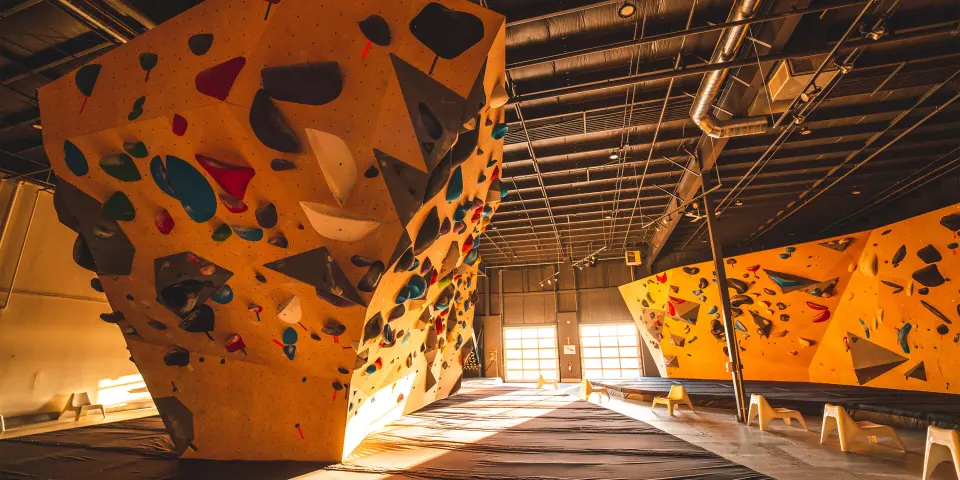
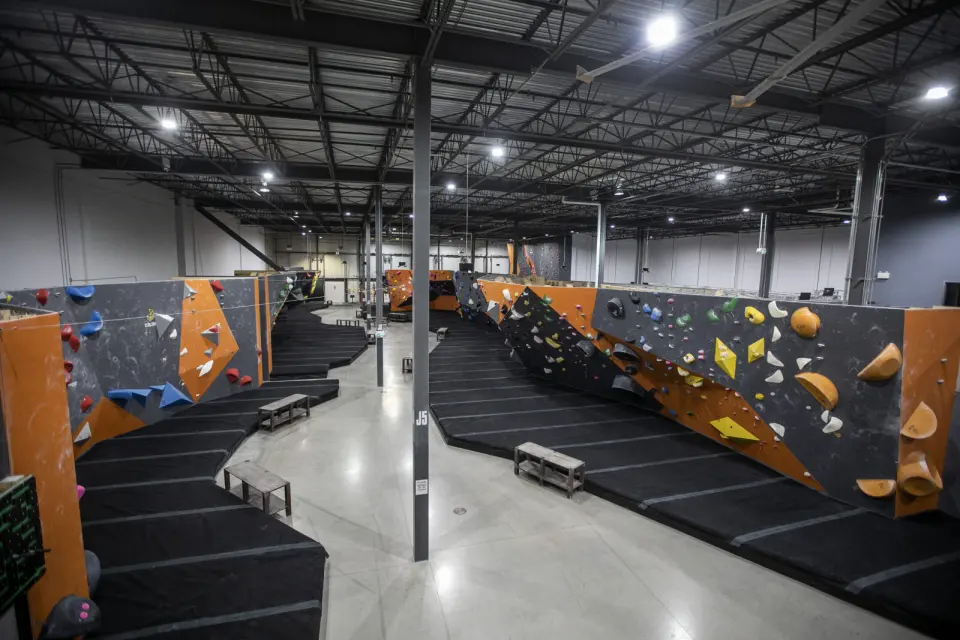
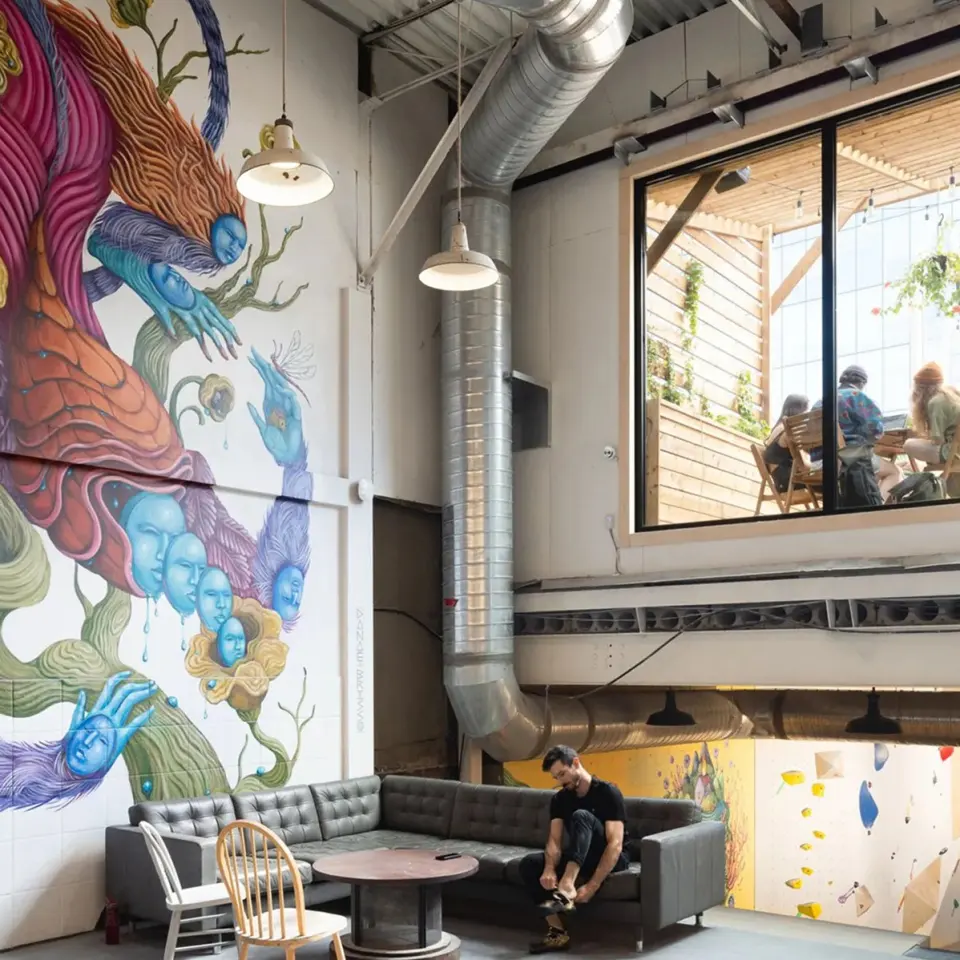
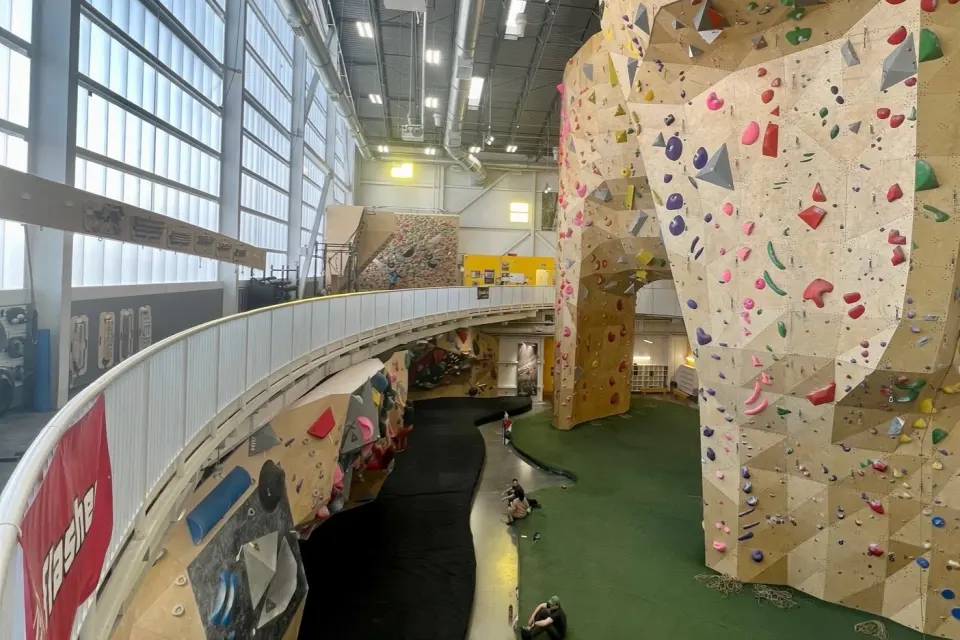
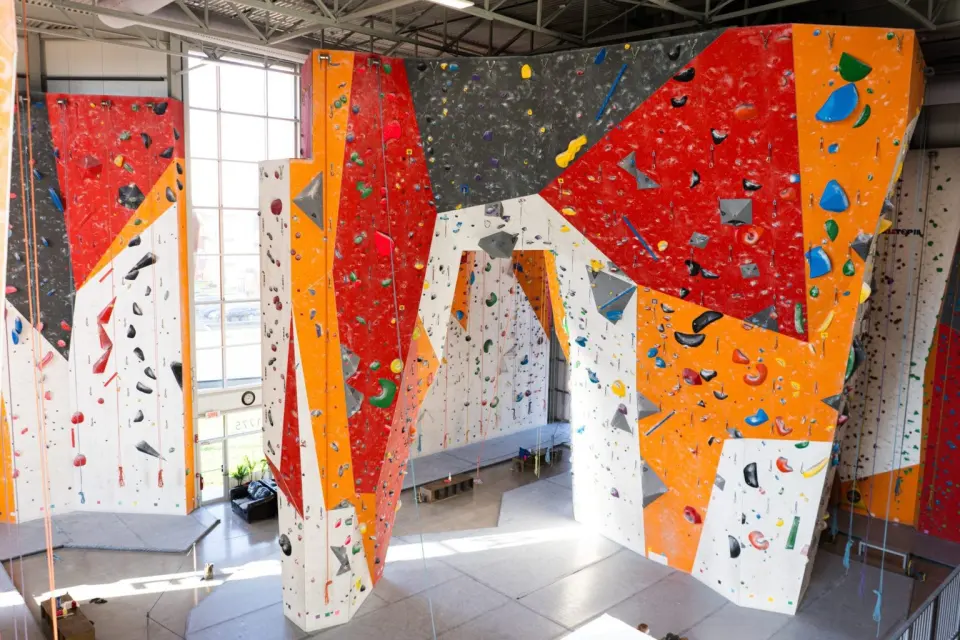
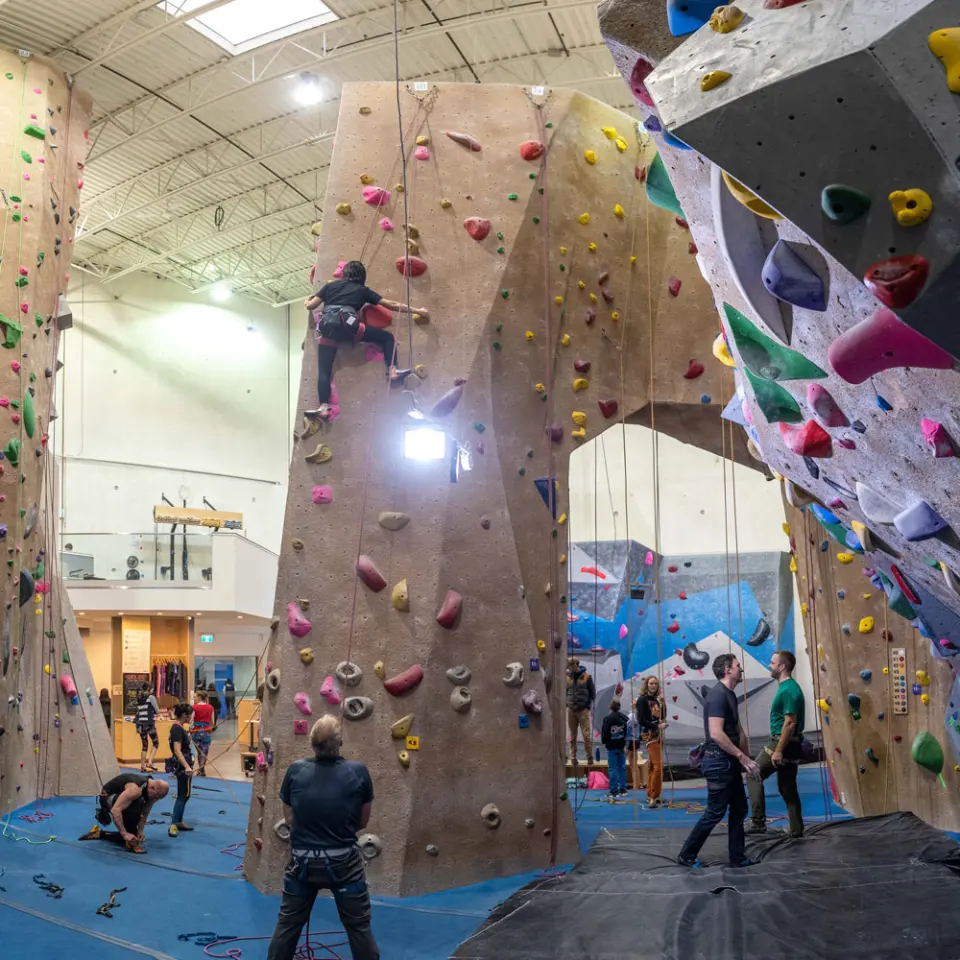
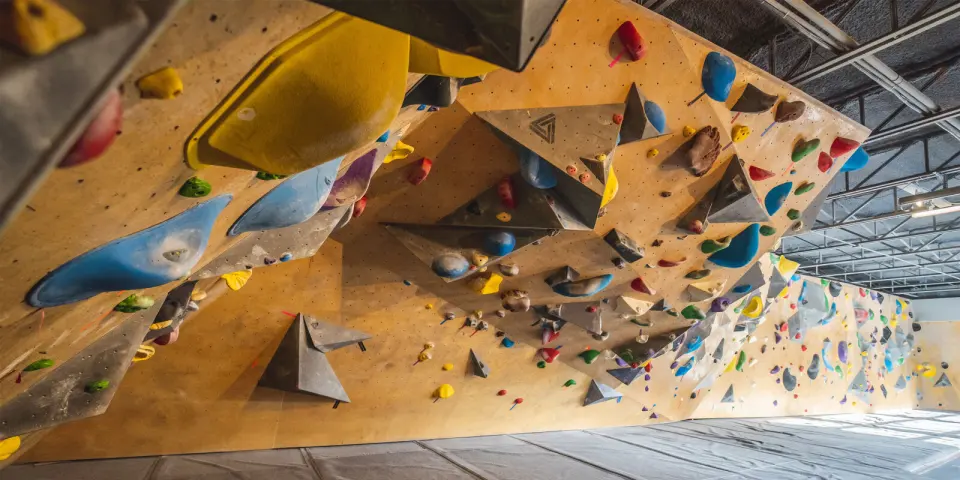
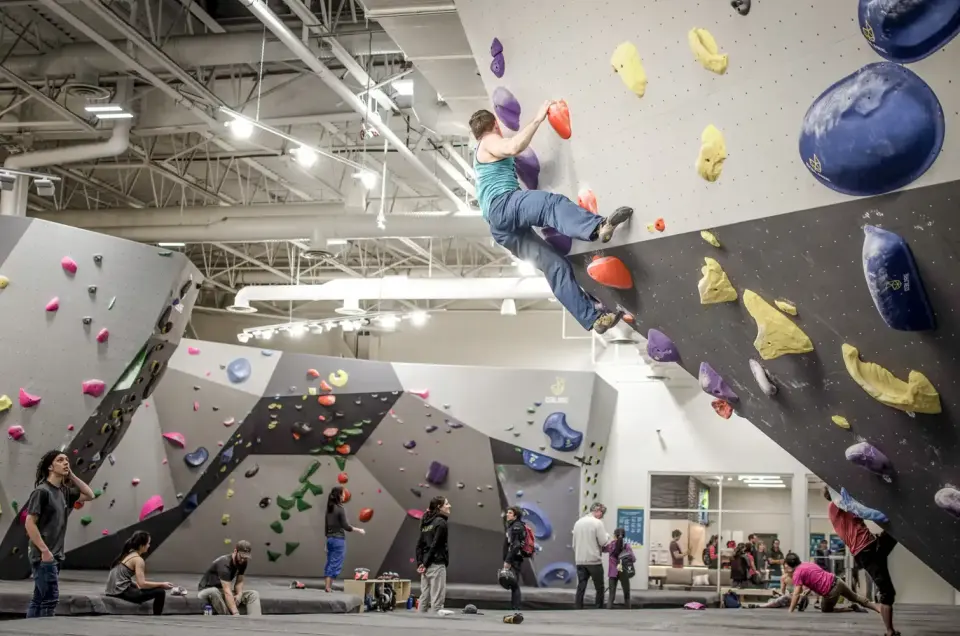
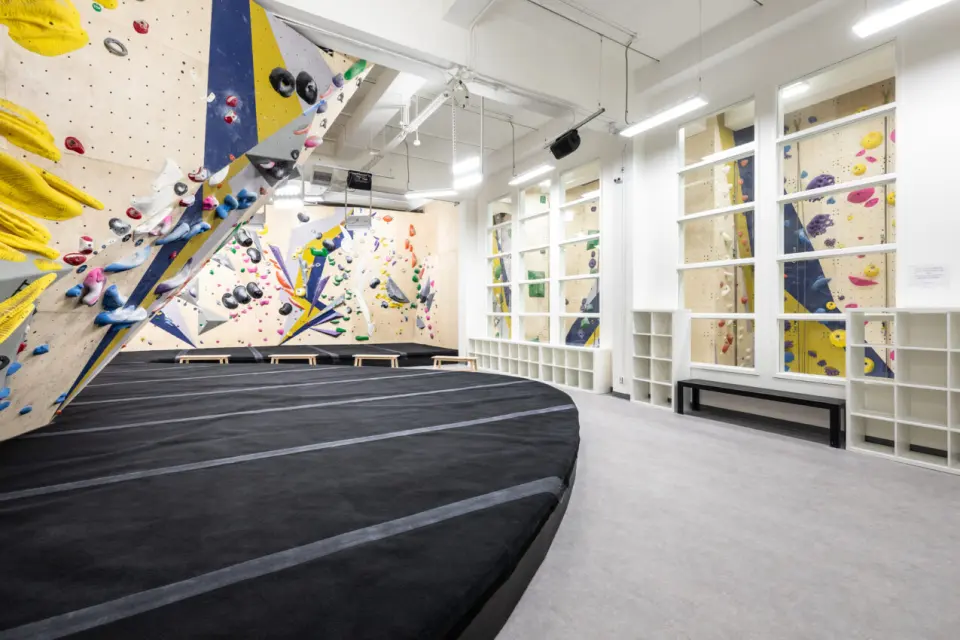
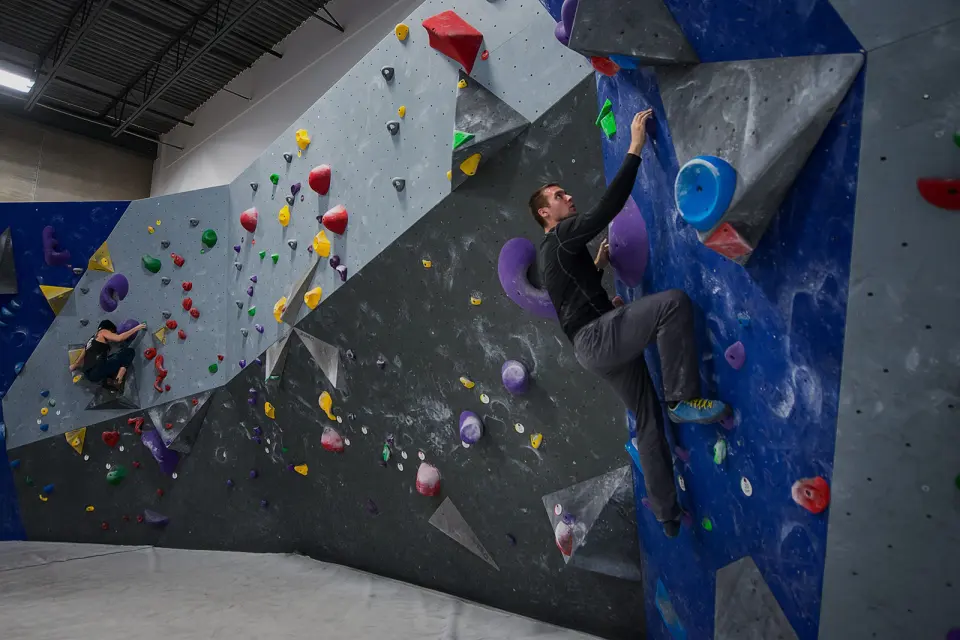
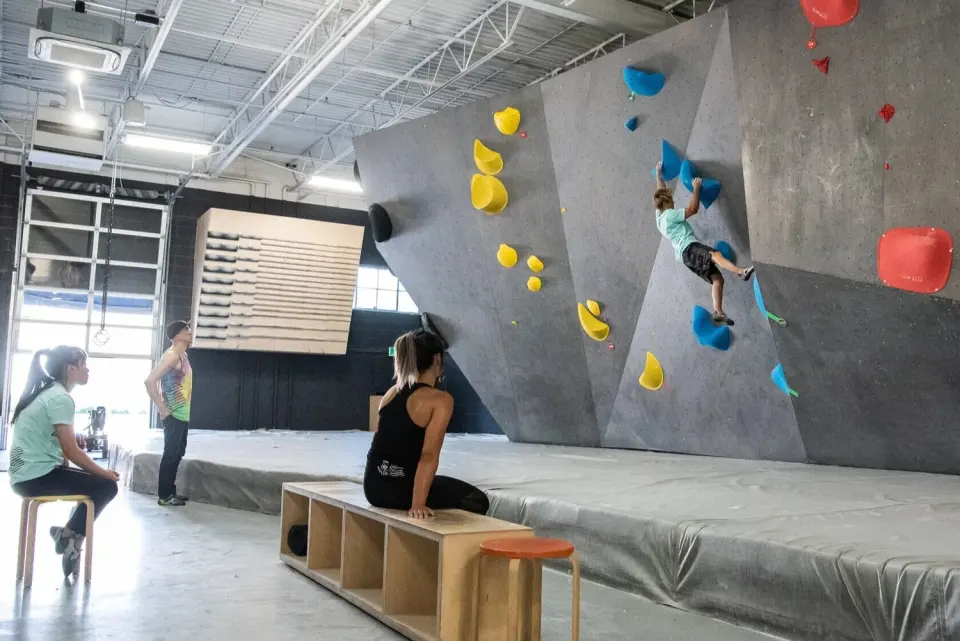
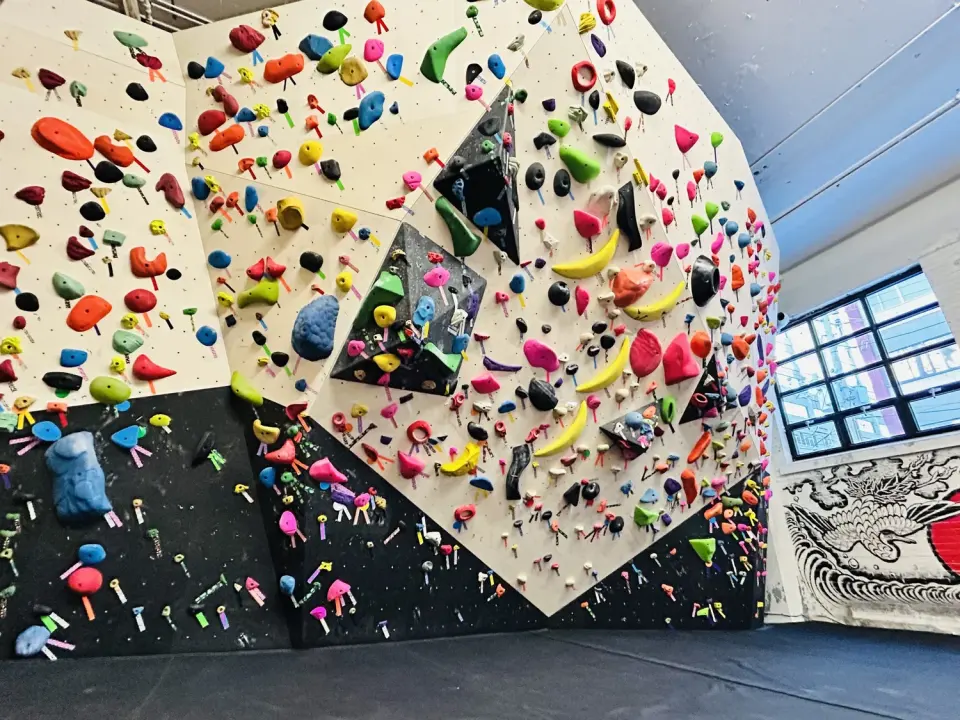
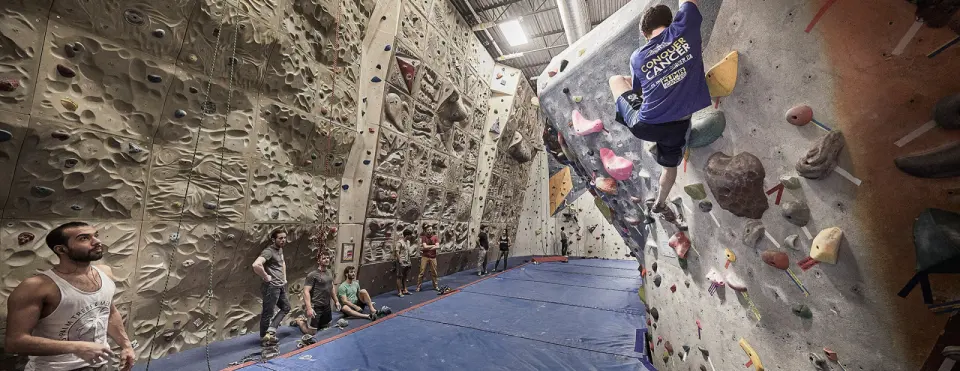
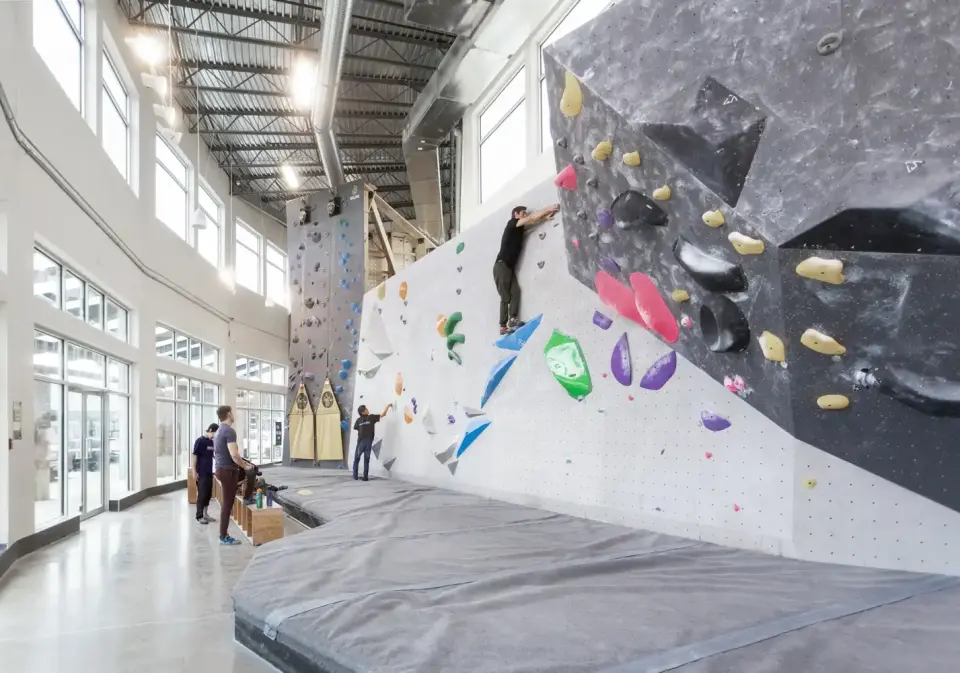
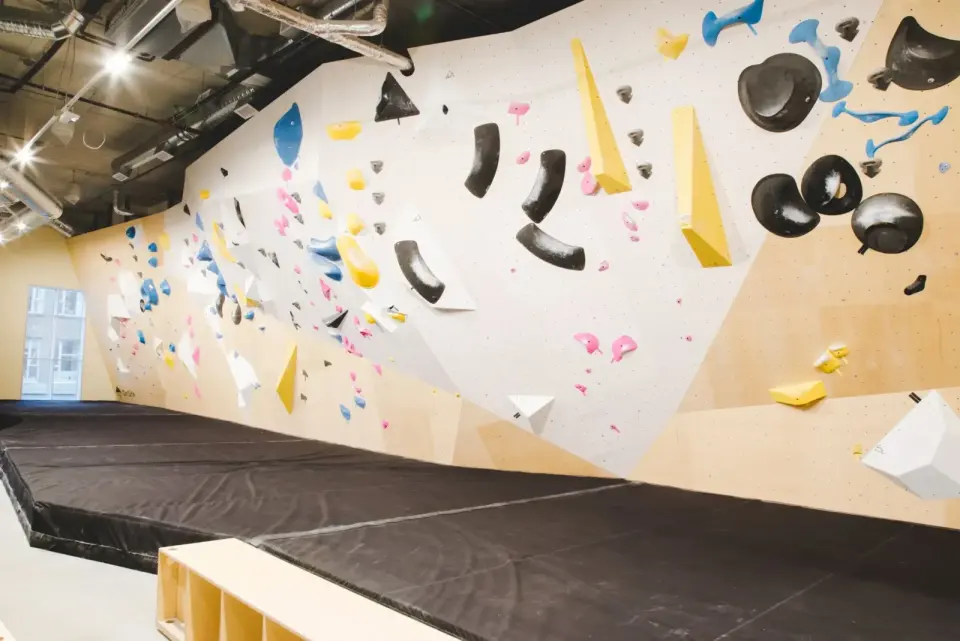
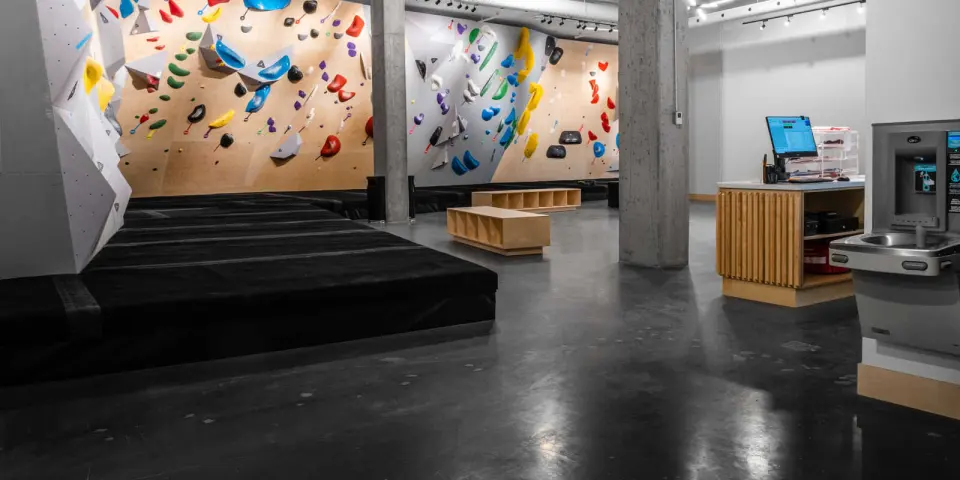
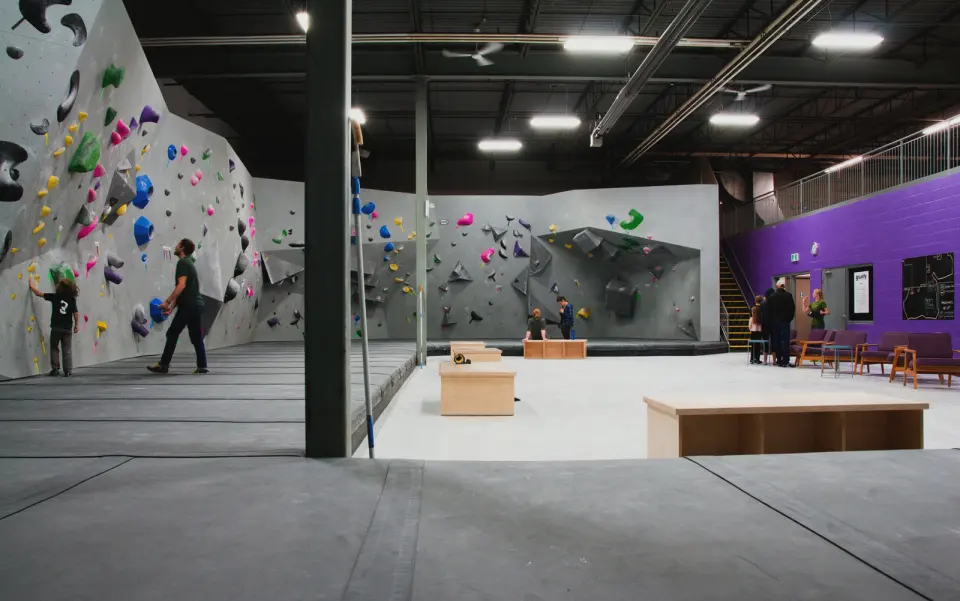
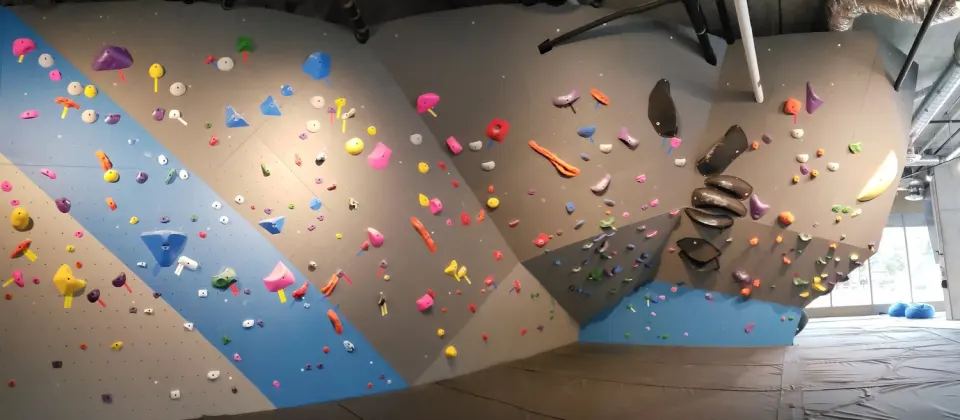
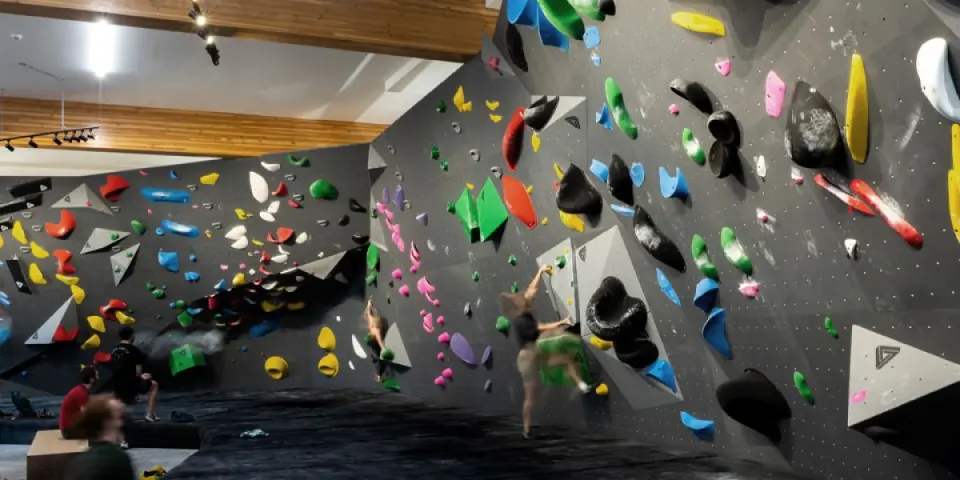
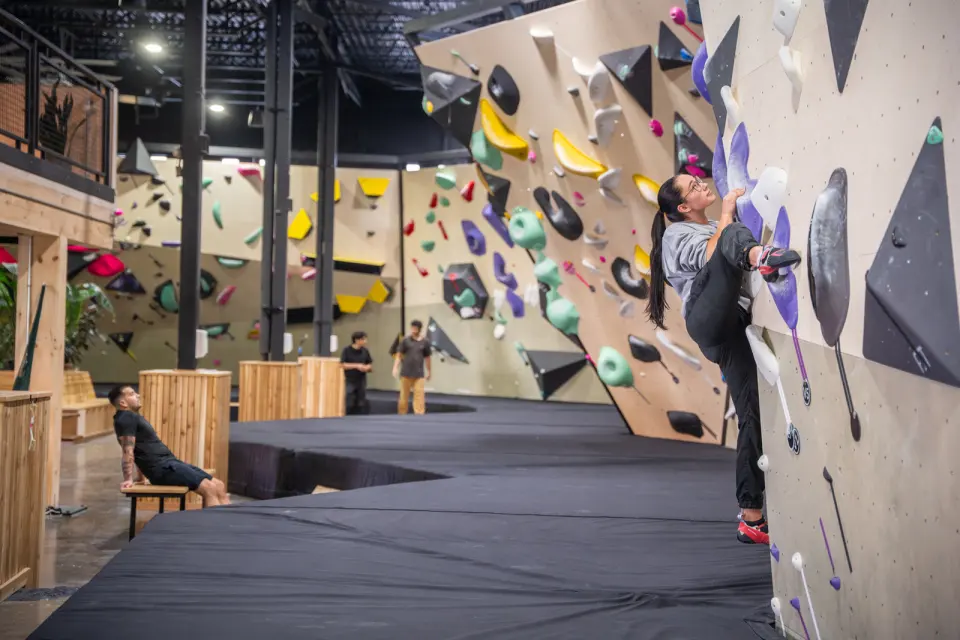
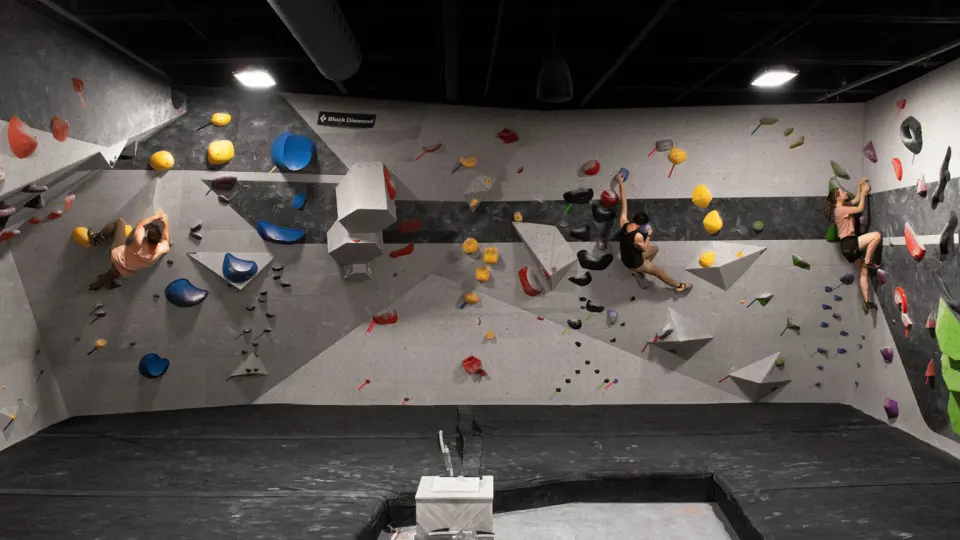
Ontario: Toronto has the country's oldest gym and two Basecamp gyms in former cinemas, and chains such as Boulderz, Hub and Aspire spread across the GTA into Mississauga, Brampton and Oakville. Ottawa and Gatineau share one scene, with Coyote Rock Gym, Klimat and three Altitude gyms, and there are gyms in Hamilton, Kitchener-Waterloo, Guelph, London and Kingston, home of Ontario's speed-climbing competitions.
Quebec: Montréal has a big bouldering scene, with Allez Up, Bloc Shop, Le Crux, Rose Bloc and many independents, while Quebec City has the Délire gyms and Trois-Rivières has roped walls and ice towers at Maïkan, and Sherbrooke has a gym in a 1940 church near the Eastern Townships crags.
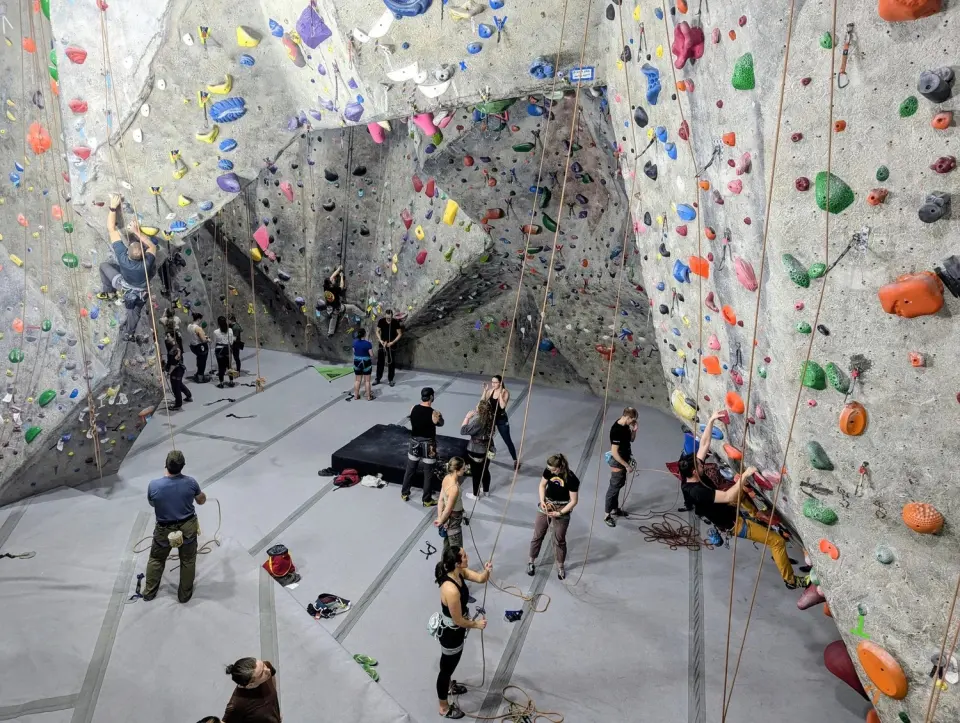
British Columbia: Vancouver has the Hive's bouldering gyms, Climb Base5's roped walls and a wave of new gyms, with more on the North Shore and in Surrey. Squamish adds a gym for rainy days to its granite, and there are gyms in Victoria and Kelowna.
The Prairies: Calgary has the Calgary Climbing Centre's gyms and Bolder, with Canmore in the mountains about 100 km west; Edmonton has the Rock Jungle gyms and an outdoor ice and dry-tooling tower; and there are gyms in Saskatoon and Winnipeg.
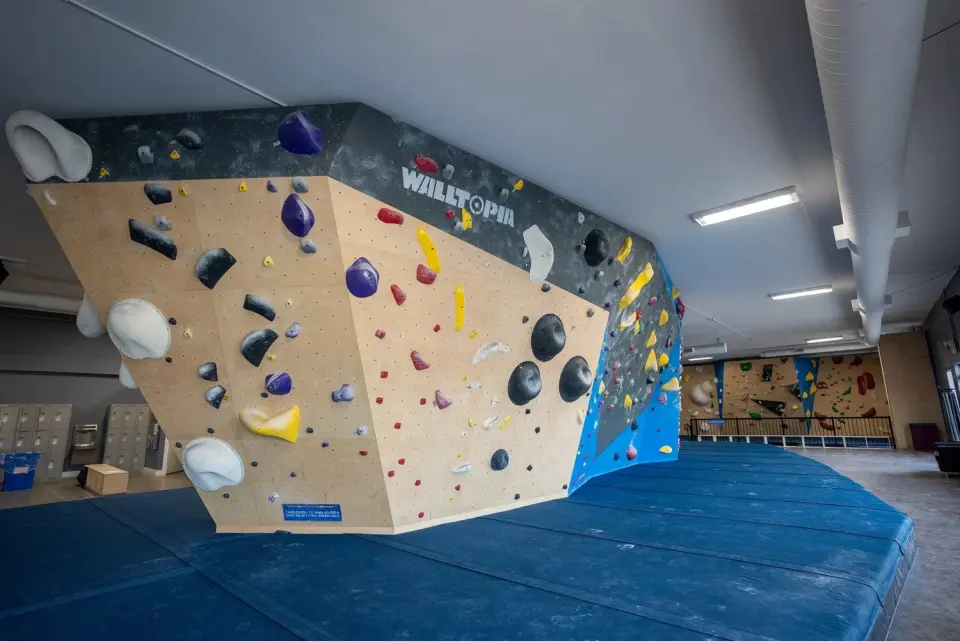
Atlantic Canada: Halifax has three Seven Bays bouldering gyms and East Peak's roped walls in an old cinema, and St. John's has Wallnuts and The Cove.
Prices
In October 2026 an adult day pass at a city gym cost from just under $20 to about $32 before tax: typically $28 in Toronto, $25 to $32 in Vancouver, $20 to $21.50 in Ottawa and Gatineau, $20 to $29 in Winnipeg and $20.50 to $24 in Halifax and St. John's. University, college and municipal walls are often cheaper, but many are only for students or members, so check the access details on each listing.
Federations and competitions
Climbing Escalade Canada, based in Ottawa, is the national federation. Each province has its own body: the Ontario Climbing Federation, the FQME in Quebec (which also looks after outdoor crags), Sport Climbing BC, the Alberta Climbing Association, Climbing Manitoba, Sport Climbing Saskatchewan (founded in 2025), Climb Nova Scotia, which joined the national federation in 2024, and Climb Newfoundland and Labrador, which joined in 2026. In 2026–27 the national calendar includes the Speed Nationals in Montréal on 30 and 31 January 2027, the senior bouldering and lead nationals in February and the Youth Lead Nationals at the Richmond Olympic Oval in May. Sport climbing also makes its Canada Games debut in Quebec City, with bouldering on 9 and 10 March and lead on 12 and 13 March 2027. See the season guides for Ontario, Quebec, BC and Alberta.
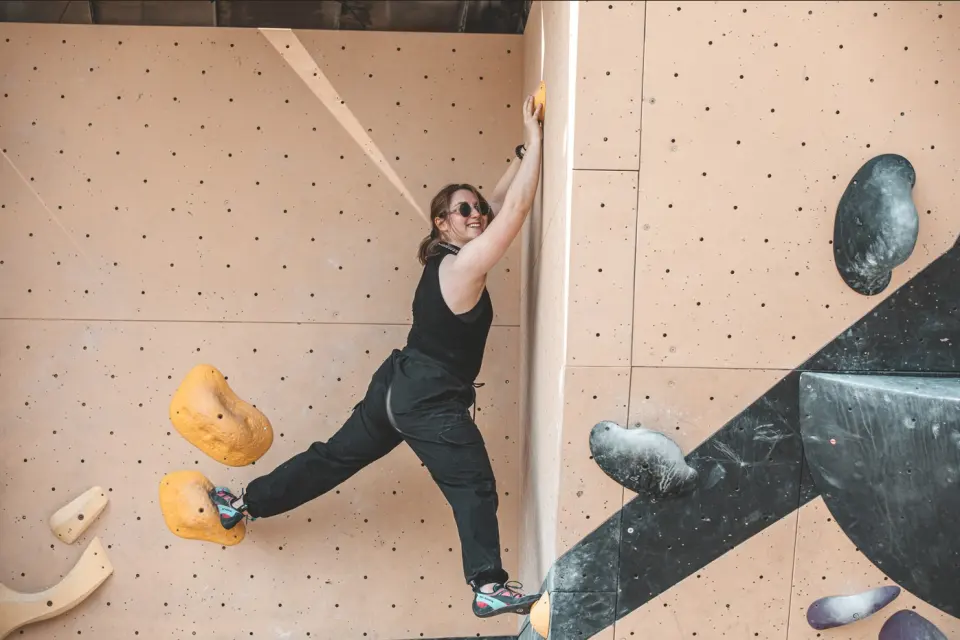
At the Tokyo Games in 2021, Sean McColl and Alannah Yip, both from North Vancouver, became the first Canadians to compete in Olympic sport climbing.
Climbing outdoors
Squamish, an hour north of Vancouver, has almost 3,000 routes and boulder problems on granite, including the walls of the Stawamus Chief. The Bow Valley around Canmore has nearly 1,500 climbs, from sport crags to long multi-pitch routes on big walls, with a short season from April to October, and you need a Conservation Pass to park in Kananaskis Country. Skaha Bluffs in the Okanagan has more than 1,300 climbs on gneiss. Mountain Project lists nearly 2,000 climbs in southern Ontario, many of them on the Niagara Escarpment, but access is often complicated, so check the Ontario Alliance of Climbers before you go. Quebec's climbing began at Val-David in the Laurentians in the late 1920s, and at crags affiliated with the FQME you need its membership or a day membership. Nova Scotia's coastal granite is a bouldering destination, and Newfoundland has sea cliffs at Flatrock. See the guides to climbing outside near Toronto, Montréal, Quebec City, Calgary and Winnipeg, and in Nova Scotia.
Ice climbing
Canmore's ice season runs from November to April, with 150 to 200 climbing days a year. Edmonton hosts the final of the ice-climbing World Cup and the ice-climbing World Youth Championships in February 2027, and there are ice towers or frozen falls close to Edmonton, Quebec City, Trois-Rivières and Winnipeg: see where to learn to ice climb in Canada. The Alpine Club of Canada, founded in Winnipeg in 1906, has sections across the country that run rock and ice trips and courses.