Every Belgian crag is on private or public land, and only members of a climbing federation may climb there. Here's how access works, how to bring a friend who isn't a member, and where to start, from Freÿr to the Ourthe.
Belgium has no legal belay licence, but many Flemish halls ask for the KBF's KVB card before you climb on a rope, while halls in Brussels and Wallonia run their own briefings, tests and badges. Here's what to expect, hall by hall.
Skalodrom Viktoriya, a 17-metre outdoor speed and lead wall at a Mogilev sports school, opened on 24 June 2026. BelTA calls it the tallest outdoor climbing wall in Belarus, and the public can now book climbing sessions there three days a week.
Fredrikstad, Oslo, Lørenskog, Bergen, Trondheim, Sauda and Arendal have new climbing centres, Klatreverket Torshov has grown, and Høyt Under Taket's centres join Skimore on 16 November 2026. Here's what has changed.
To belay on a rope at a Norwegian climbing wall you need a Brattkort, the national belay certificate. Here's what the three levels mean, how a visitor gets one, what it costs, and when you can climb without one.
From Flatanger's granite cave, home of the first 9c, to Lofoten's granite and Rjukan's ice, here are Norway's best-known climbing areas, when to go, and the right-to-roam rules climbers need to know.
Sunniva E. Haave and Leo Chiba won the bouldering titles in Fredrikstad in February, and Ingrid Kindlihagen and Leo K. Bøe took lead gold in Oslo in September, where para-climbers competed for titles in seven classes.
The national championships in lead, bouldering and speed run from 14 to 21 November 2026 at the Yenimahalle sports complex in Ankara, for climbers from 13 to seniors. Here's the schedule, who can enter and why the results matter for the national team.
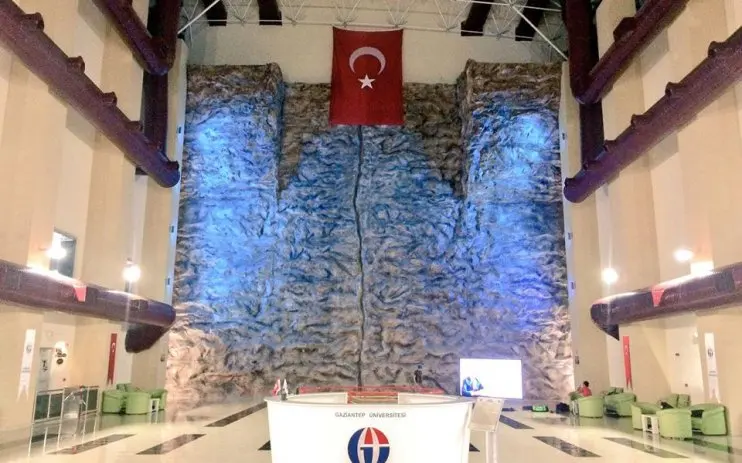
Turkey has two climbing systems: walk-in bouldering gyms that anyone can use, and club, university and state walls for licensed climbers. Here's how each works, what it costs and how visitors can climb.
A year after para-climbing became an official sport in Turkey, the national para team made its World Cup debut in Innsbruck, won medals in Brno and reached a final in Laval. Six climbers are entered for Gunsan at the end of October.